
Container Gardens
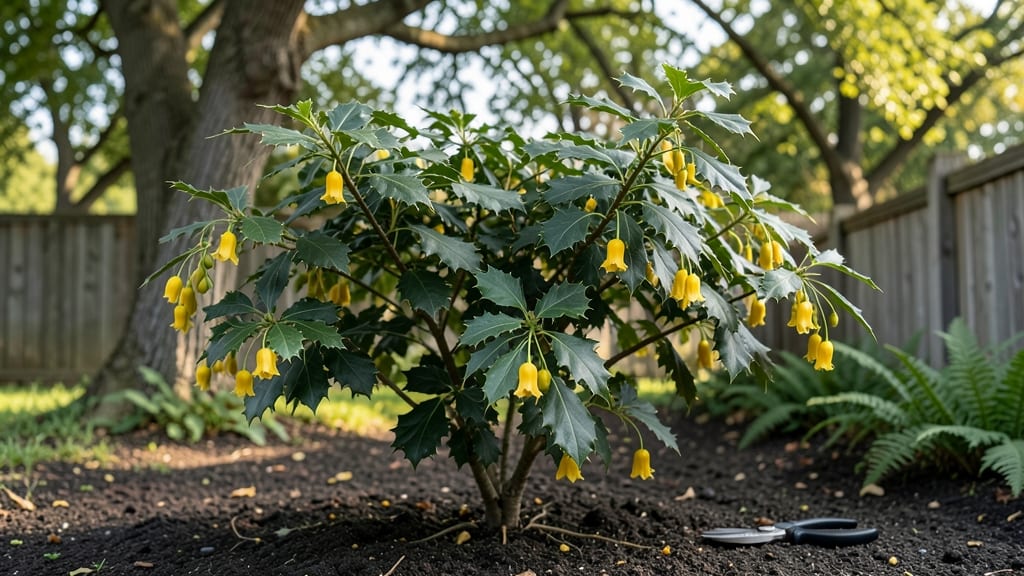
Botanical Gardens Victoria BC features breathtaking native plant displays, exotic orchid collections, and meticulously designed themed gardens including the serene Japanese Garden and fragrant Rose Garden. Visitors can enjoy vibrant seasonal blooms year-round, from delicate spring tulips to fiery autumn chrysanthemums, plus access to the lush Conservatory and seasonal exhibits like enchanting butterfly displays.
This award-winning garden isn't just a visual treat—it's a living classroom showcasing how Pacific Northwest ecosystems thrive through sustainable landscaping. 🌿 The conservatory alone houses over 1,500 plant species, including rare orchids that flourish in Victoria's maritime climate.
What sets this garden apart is its hands-on conservation work, where visitors can learn about native plant propagation and pollinator habitats during guided tours.
Themed gardens like the Japanese Garden offer peaceful retreats with carefully curated stone paths and koi ponds, while the Rose Garden transforms into a fragrant cloud during peak bloom season.
Pro tip: Weekday mornings provide the best photography lighting, especially during spring when the magnolias and rhododendrons create a painterly backdrop.
💡 In This Article
- Victoria BC’s Native Plant Collections and Ecological Significance
- Best Times to Visit Victoria Botanical Gardens by Season
Victoria BC’s native plant collections and ecological significance
The gardens serve as a critical conservation hub for over 150 Pacific Northwest native species, many of which are threatened by habitat loss.
Here's what makes their preservation work so impactful: the garden's 12 distinct climate zones replicate local microclimates, allowing species like the Western Red Cedar (Thuja plicata) and Pacific Dogwood (Cornus nuttallii) to thrive in conditions mirroring their natural coastal environments.
These zones demonstrate how plants adapt to Victoria's mild maritime climate with 50-70 inches of annual rainfall and moderate summer temperatures (70-80°F).
The science behind their drought-resistant designs is fascinating. Plants like Yarrow (Achillea millefolium) and Sage (Salvia spp.) feature deep root systems that access groundwater, while succulents store moisture in their leaves. Pollinator-friendly gardens incorporate native milkweed for monarch butterflies and lupine for bees, creating food chains that support local biodiversity.
The garden's native plant nursery propagates over 5,000 plants annually, many from seeds collected in nearby Garry Oak meadows - one of Canada's rarest ecosystems.
What's often overlooked is how these collections serve as a living laboratory for climate adaptation research. Scientists track how native species respond to changing precipitation patterns and mild winters by comparing growth rates in different zones.
For example, Oregon Grape (Mahonia aquifolium) thrives in shaded areas with 60-80% humidity, while Shrubby Cinquefoil (Dasiphora fruticosa) prefers full sun and well-draining soil. These observations help guide regional restoration projects.
The garden's conservation efforts extend beyond preservation to active restoration. Their Pollinator Pathway Project connects fragmented habitats across Victoria, creating corridors that support over 400 insect species.
Visitors can see this in action through the Butterfly Haven exhibit, where native host plants like Western Violet (Viola occidentalis) provide essential resources. The garden's research shows these pathways can increase butterfly populations by up to 300% within three years.
What most people don't realize is how these collections benefit urban ecosystems. The garden's rain garden demonstration area shows how native plants filter 90% of stormwater runoff while preventing erosion.
Techniques like sheet mulching with native ground covers reduce water usage by 60% compared to traditional lawns. These methods are now being adopted by local municipalities for public spaces.
For those interested in hands-on conservation, the garden offers monthly native plant propagation workshops where participants learn to grow endangered species like Twinflower (Linnaea borealis). The program has successfully reintroduced over 2,000 plants to local restoration sites since 2018. 🌱