
Container Gardens
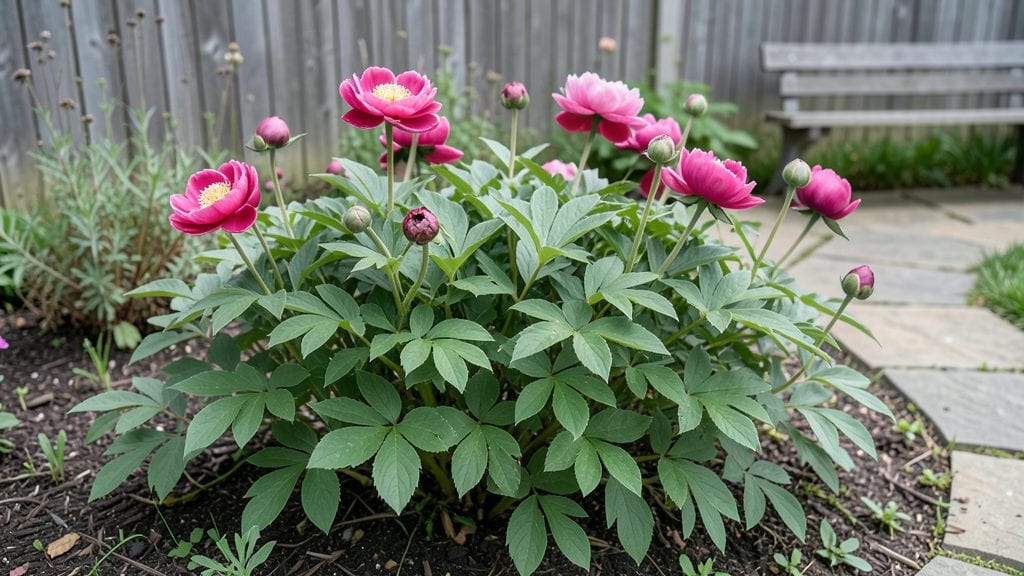
Exploring botanical gardens in Philly reveals stunning green spaces like Longwood Gardens, famous for its cascading fountains and ever-changing seasonal displays, plus the Barbara B. Wood Garden at PHS, a haven for rare and exotic plant collections. Don't miss Smith Memorial Playground, where families can wander through themed gardens and discover year-round blooms.
Philadelphia’s botanical gardens aren’t just pretty—they’re living classrooms where nature’s artistry unfolds in every season. 🌿 At Longwood Gardens, the fountains aren’t just decorative; they’re engineered to create misty, cool microclimates that extend the growing season for delicate plants.
Meanwhile, the Wood Garden’s rare species collection includes plants you won’t find anywhere else in the region, like carnivorous pitcher plants and orchids from Southeast Asia. For families, Smith Memorial Playground blends education with play, featuring sensory gardens that teach kids about pollinators through interactive exhibits.
What makes these spaces truly special is how they adapt to Philly’s unique climate—hot, humid summers and cold winters demand creative gardening solutions. The gardens use techniques like mulching and windbreaks to protect plants, while their seasonal rotations keep visitors returning year after year.
Whether you’re a plant enthusiast or just looking for a peaceful escape, these green oases deliver something fresh with every visit.
💡 In This Article
- Seasonal Highlights in Philly Botanical Gardens
- Tips for Visiting Philadelphia’s Best Botanical Spaces
Seasonal highlights in Philly botanical gardens
Philly's botanical gardens transform dramatically with each season, thanks to a combination of climate adaptation and strategic plant selection. The region's humid subtropical climate—characterized by hot summers (85-90°F) and cold winters (25-35°F)—creates distinct growing challenges that gardeners overcome through careful planning.
For example, spring's 50-60°F temperatures trigger tulip blooms at Longwood Gardens, where bulbs planted in fall undergo vernalization (a cold period) to break dormancy and synchronize flowering. 🌷 This biological process explains why tulips appear so reliably each April—it's not just about timing, but about the precise temperature shifts plants need to bloom.
The summer season brings Philly's famous rose collections to life, with over 1,500 varieties at Longwood Gardens thriving in the humidity.
Roses require consistent moisture to prevent bud blast (a condition caused by rapid temperature swings), so the gardens use drip irrigation systems that deliver 1-2 gallons per plant daily during peak heat.
The science here involves stomatal regulation—tiny pores on leaves that open to release water vapor but close during heat stress to conserve moisture. Visitors often notice the gardens' roses smell most intense in the early morning when temperatures are cooler and humidity is higher, maximizing aromatic compound release.
Autumn foliage displays at the Wood Garden showcase how deciduous plants like maples and oaks undergo chlorophyll breakdown, revealing their true colors. The process begins when shorter daylight hours (10-12 hours of daylight) trigger anthocyanin production—pigments that create red and purple hues.
Philly's crisp autumn air (often dropping to 40°F at night) enhances these colors by slowing leaf metabolism. 🍂 What's fascinating is how the gardens strategically plant trees with staggered peak colors, creating a 6-week color spectrum from early September through October, ensuring continuous visual impact.
Winter brings magical transformations through holiday displays that capitalize on Philly's cold but manageable winters. The gardens use evergreens like pine and spruce, which maintain their needles through photosynthesis at temperatures as low as 15°F, to create year-round structure.
For seasonal decorations, they incorporate plants like poinsettias (which actually flower in response to 12 hours of darkness) and amaryllis, both of which thrive in indoor winter conditions.
The science here involves photoperiodism—how plants measure daylight length to trigger flowering, allowing gardeners to control bloom times even in winter's short days.
What most visitors don't realize is how Philly's urban environment influences these seasonal displays. The city's heat island effect (where urban areas are 5-10°F warmer than surrounding rural areas) creates microclimates that allow some tropical plants to survive winters in protected garden areas.
For instance, the Wood Garden's glasshouses maintain 75-85°F year-round, enabling rare species like the Victoria amazonica water lily to bloom even in January. This urban gardening innovation extends growing seasons by creating localized climates that mimic tropical conditions.
Each season's transformation isn't just about aesthetics—it's a carefully orchestrated biological symphony where temperature, light, and moisture play supporting roles.
The gardens' ability to deliver such consistent seasonal shows year after year demonstrates how understanding these natural processes allows horticulturists to create living art that responds to Philly's unique climate patterns. 💫