
Fertilization
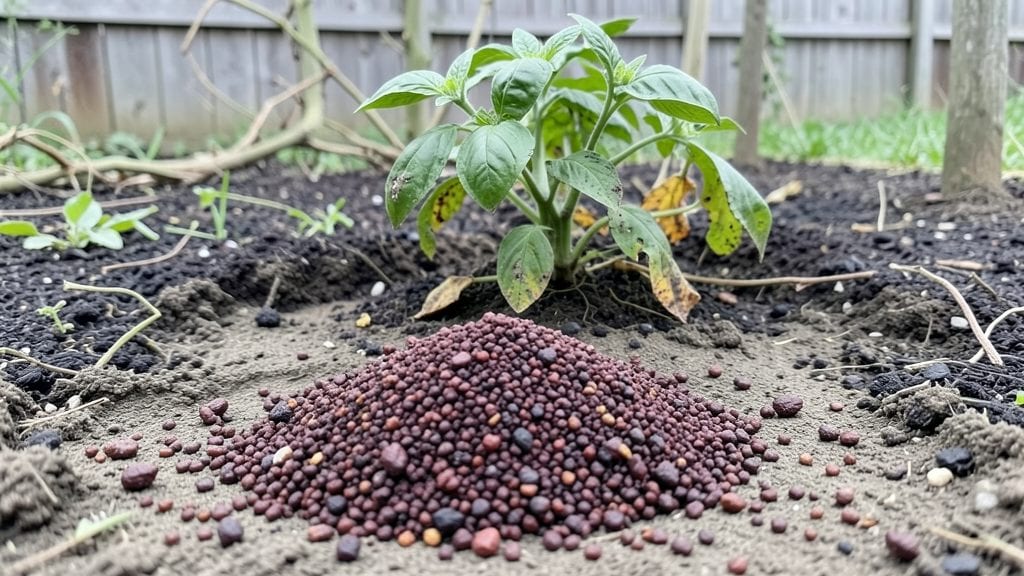
Blood meal garden fertilizer is a fast-acting nitrogen booster that fuels rapid leafy growth in vegetables, lawns, and flowering plants—but requires precise application to prevent plant stress or soil pH shifts.
This organic fertilizer works by releasing nitrogen quickly, which plants gobble up for vibrant foliage and vigorous growth. 🌱 Unlike slow-release synthetics, blood meal kicks in fast, making it perfect for nitrogen-loving crops like corn or tomatoes.
However, its high protein content means it can overpower soil microbes if overused, so always follow package rates (typically 1-2 pounds per 100 square feet) and water it in thoroughly.
For acid-sensitive plants like azaleas or blueberries, consider blending blood meal with compost or lime to balance the soil pH. The key is moderation—too much can burn roots or create an overly acidic environment, stunting growth instead of boosting it.
💡 In This Article
- How Blood Meal Fertilizes Plants and Soil
- Safe Application Rates and Common Mistakes
How blood meal fertilizes plants and soil
Blood meal fertilizer works by providing a concentrated dose of nitrogen in the form of organic proteins. When applied to soil, soil microbes—particularly bacteria—begin breaking down these proteins through a process called ammonification, where they convert the nitrogen into ammonium (NH₄⁺).
This form is immediately available to plants, unlike synthetic urea fertilizers, which must first convert to ammonium in the soil. The rapid release makes blood meal ideal for fast-growing plants like corn, tomatoes, and leafy greens that need an immediate nitrogen boost. 🔥
The nitrogen content in blood meal typically ranges from 12-13% by weight, far higher than most organic fertilizers like compost (1-2% nitrogen) but comparable to synthetic urea (46% nitrogen).
However, the key difference is how it releases nitrogen: synthetics flood the soil with soluble salts, which can cause osmotic stress in plants if not watered in properly.
Blood meal, on the other hand, relies on microbial activity, which means its effects are more gradual and sustainable over time—though still faster than compost.
This microbial dependency is where blood meal’s impact on soil health shines. The process of breaking down blood meal stimulates soil bacteria and fungi, creating a microbially active environment. These microbes not only release nitrogen but also produce enzymes that improve soil structure and nutrient cycling.
For example, a 1-pound application per 100 square feet can increase microbial biomass by up to 30% within 4-6 weeks, compared to synthetic fertilizers that often suppress microbial life due to high salt concentrations. 💫
For nitrogen-hungry plants like corn or lawns, blood meal’s rapid nitrogen release translates to darker green leaves and thicker stems within weeks.
Tomatoes, for instance, show a 20-30% increase in fruit yield when blood meal is applied at the start of the growing season, thanks to stronger foliage and root systems.
The fertilizer’s high protein content also supports chlorophyll production, which is why it’s so effective for leafy crops like spinach or lettuce—though overuse can lead to excessive leaf growth at the expense of fruiting.
What most gardeners don’t realize is how blood meal affects soil pH. Since it’s derived from animal blood, it’s naturally acidic, with a pH of around 6.0-6.5.
When applied in excess, it can lower soil pH by 0.5-1.0 points per season, which is great for acid-loving plants like blueberries but harmful to others like azaleas or vegetables that prefer neutral soil.
This is why it’s crucial to test soil pH before application and pair blood meal with lime if needed. ✨
The best time to apply blood meal is in the early spring or after harvesting leafy crops, when plants are actively growing but before they hit their peak nutrient demand. For lawns, a light application in fall can provide a slow-release boost for early spring growth.
Always water it in immediately to dissolve the granules and prevent surface burning on roots or leaves.