
Tools
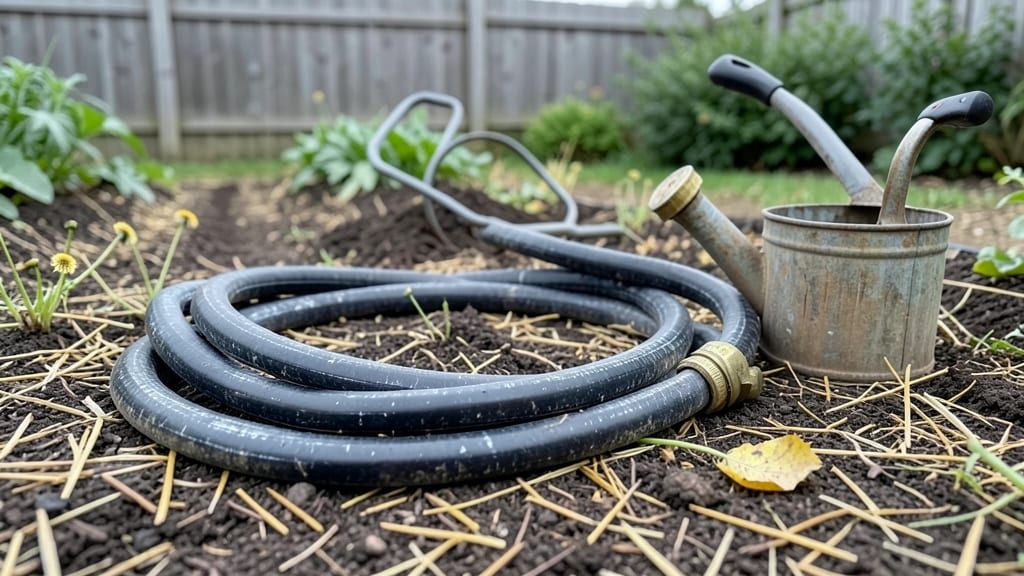
The biggest garden hose available reaches up to 300 feet in length with a 1-inch diameter, delivering flow rates of 20-30 gallons per minute (GPM) for heavy-duty irrigation or large property coverage. Heavy-duty rubber or reinforced vinyl materials ensure durability under high pressure.
The largest garden hoses on the market are engineered to handle expansive yards or commercial applications, where standard 50-foot models simply can't keep up. 🔥 These massive hoses maintain strong water pressure even at extreme lengths, thanks to reinforced construction that resists kinking and bursting.
For example, a 200-foot hose with a 1-inch diameter can deliver enough water to cover a football field efficiently, making them ideal for farms or large estates. The trade-off? Thicker walls and specialized fittings mean they’re bulkier and pricier than lightweight options.
If you're dealing with a sprawling landscape, prioritize hoses with quick-connect couplings for easy setup and UV-resistant coatings to extend their lifespan. Many top-rated models also include built-in pressure regulators, which help prevent hose damage from sudden surges when you open valves fully.
For maximum performance, pair your hose with a high-flow nozzle or sprinkler system designed for large coverage areas.
💡 In This Article
- How Length and Diameter Affect Water Pressure
- Top Heavy-Duty Hoses for Large Gardens
How length and diameter affect water pressure
Here's what's actually happening when you extend hose length or increase diameter: Water pressure follows the laws of fluid dynamics, where resistance increases with length and decreases with wider openings.
A 1-inch diameter hose delivers 4x more water than a ½-inch hose at the same pressure because flow rate (GPM) is proportional to the square of the diameter. 🔥 For example, a ½-inch hose might deliver 10 GPM while a 1-inch version hits 40 GPM—a massive difference for covering large areas.
The science behind pressure loss involves friction: Water molecules rub against the hose walls, creating resistance that reduces pressure over distance.
Longer hoses (like 200-foot models) lose 10-15 PSI per 100 feet due to this friction, which is why heavy-duty hoses use reinforced rubber or double-layer vinyl to minimize internal resistance.
The thicker walls also prevent collapse under vacuum pressure when you shut off the water suddenly—a common failure point in lightweight hoses.
What most people don't realize is how pressure regulators save the day. These devices maintain consistent output by automatically adjusting flow when you open valves fully.
Without one, a 300-foot hose could experience 50% pressure loss at the end, leaving your farthest sprinkler head sputtering. 💫 For large properties, pairing a 1-inch hose with a regulator ensures even coverage across 50,000+ square feet—like watering an entire football field uniformly.
Material choice matters too: Rubber hoses maintain pressure better than vinyl because their elasticity absorbs minor pressure fluctuations. However, they're heavier and more expensive. Vinyl hoses (often with polyethylene reinforcement) are lighter but can kink more easily under 80 PSI+ pressure.
The best compromise? Look for hoses with spiral-wound reinforcement, which balances durability with flexibility for long runs.
Consider this real-world scenario: A 200-foot 1-inch hose at 50 PSI will deliver 25 GPM at the source but only 18 GPM at the end—about a 28% drop. That's why commercial irrigation systems use pressure-compensating nozzles, which adjust spray patterns automatically based on distance from the water source.
For DIY setups, a pressure gauge helps you monitor drops and adjust accordingly.
Pro tip: If you're dealing with extreme lengths (250+ feet), split your watering into zones using multiple 100-foot sections with separate valves. This reduces pressure loss while giving you control over different areas.
The key is balancing hose diameter, length, and material to match your property's specific needs—whether that's a 1-acre farm or a half-mile driveway.