
Watering
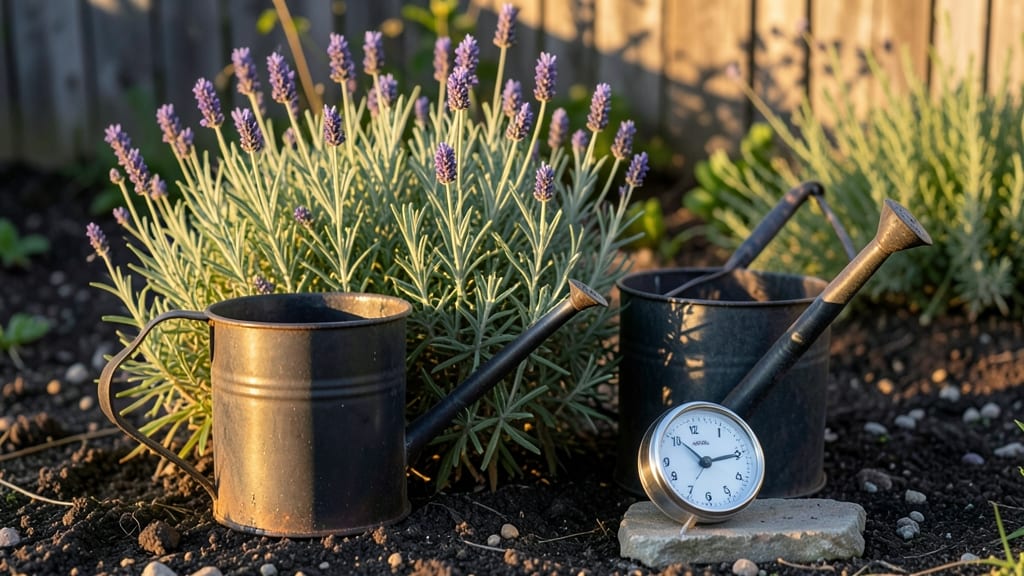
The best time to water your garden in summer is before the sun climbs high—when the air still carries that crisp morning coolth that plants crave. 🌱 I learned this the hard way after watching my tomatoes wilt by noon, no matter how much I watered them later.
That first sip of water in the morning doesn’t just quench thirst; it sets roots on a path to deeper growth all day long.
Most gardeners assume evening watering works, but the truth is, damp leaves overnight invite fungal trouble like powdery mildew. Instead, focus on 6-8 AM when temperatures are lowest and evaporation is minimal.
Mulch helps too—it keeps soil moist longer and protects roots from the brutal midday sun. For drought-prone areas, water deeply once or twice a week rather than shallow daily doses.
You’ll notice the difference in just days: plants stand taller, leaves stay crisp, and you’ll see fewer signs of stress like wilting or yellowing. The soil stays crumbly and rich, not baked hard or soggy.
This isn’t just theory—it’s what transformed my struggling summer garden into a thriving oasis by mid-July.
Regional tweaks matter: desert gardeners might water even earlier, while humid climates can stretch the window to mid-morning. The key is consistency—stick to this routine, and your plants will reward you with stronger roots, better blooms, and fewer pests all season long.
📚 In This Guide
- What you need
- Instructions
- Tips and common mistakes
- Wrapping up and next steps
What you need
- ● Watering can or hose – Opt for a 5-gallon watering can (or larger) for deep watering, or a hose with adjustable nozzle for larger gardens.
- ● Timer or sprinkler system – A smart timer (e.g., Orbit B-Hyve) or drip irrigation kit (like Rain Bird) to automate watering schedules.
- ● Soaker hoses or drip lines – ¼-inch diameter for efficient, slow watering (e.g., DIG 50 ft. soaker hose).
- ○ Moisture meter (optional but helpful) – A digital probe-style meter (like XLUX Soil Moisture Meter) to check soil hydration.
- ● Mulch (straw, wood chips, or shredded leaves) – 2-3 inches to retain moisture and regulate soil temperature.
- ● Rain gauge – Track rainfall to adjust watering (e.g., Texas Electronics 2800).
- ● Watering wand with showerhead attachment – For gentle, even coverage (e.g., Gardeners.com 10-ft. wand).
- ● pH testing kit – Ensure your water isn’t too acidic/alkaline for plants.
- ● Shade cloth or temporary covers – Protect delicate plants from midday sun while watering.
Step-by-Step guide to watering your garden at the best summer time
Here's the foolproof method I use to keep plants thriving without wasting water or stressing roots.
☀️ Step 1: Water Before 8 AM for Maximum Root Growth
Set your alarm for 6-7 AM—this is when temperatures are coolest and evaporation is minimal. Watering in the early morning gives roots 6-8 hours of darkness to absorb moisture before the sun intensifies. You'll see this in action when your soil stays damp longer and plants perk up by midday.
I like to water when the air is still cool but the ground has already warmed slightly—this means the soil can absorb water more efficiently. Avoid watering when dew is still present, as wet foliage can invite fungal diseases like powdery mildew. Check your plants around 7 AM: if leaves are still glistening with dew, wait 30 minutes before watering.
💧 Step 2: Apply Water Deeply and Slowly
Use a soaker hose or drip irrigation to deliver water 1-2 inches deep per session. Shallow watering encourages weak root systems that can't reach deeper moisture sources. You'll know you've watered deeply when water appears at the bottom of the pot or when the soil feels moist 6 inches down.
Water slowly to prevent runoff—this ensures maximum absorption. I aim for a 30-45 minute session per zone, depending on soil type. Sandy soil drains faster, so you may need to extend this to 60 minutes. Watch for puddles forming; if water pools on the surface, slow your delivery rate or break the session into two shorter periods.
⏰ Step 3: Avoid Midday and Evening Watering
Watering between 10 AM and 6 PM wastes 30-50% of water through evaporation and runoff. The sun's intensity during these hours turns your watering session into a desert-like evaporation event. You'll notice this when water disappears from the soil surface within minutes, leaving roots thirsty again by afternoon.
Evening watering creates a different problem: damp foliage overnight encourages fungal growth. I've seen entire tomato plants develop blight within days of consistent evening watering. If you must water in the evening, do it 2-3 hours before sunset to allow leaves to dry completely before nightfall. This reduces but doesn't eliminate the risk—early morning remains the gold standard.
🌱 Step 4: Adjust for Plant Types and Soil Conditions
Succulents and drought-tolerant plants like lavender and rosemary need half the water of thirsty crops like lettuce or basil. Pay attention to leaf color: blue-gray leaves indicate thirst, while yellowing suggests overwatering. For most garden plants, aim to water when the top 1-2 inches of soil feel dry to the touch.
Heavy clay soil stays wet longer than sandy loam, so you'll need to water 20-30% less in clay. I test this by sticking my finger in the soil: if it feels cool and damp at 2 inches down, hold off on watering. In sandy soil, you'll need to water more frequently because it drains quickly, often requiring daily attention during peak summer heat.
🪴 Step 5: Use Mulch to Retain Moisture and Regulate Temperature
Apply a 2-3 inch layer of mulch right after watering to lock in moisture and protect roots from temperature swings. Organic mulches like straw or shredded leaves break down over time, adding nutrients to the soil. You'll see this work when your soil stays moist 2-3 days longer than unmulched beds.
Keep mulch 2 inches away from plant stems to prevent rot. Wet mulch touching bark or stems creates the perfect environment for fungal diseases. Refresh your mulch layer every 3-4 weeks during summer to maintain its insulating properties. This simple step can reduce your watering needs by up to 40% during the hottest months.
Tips & tricks for perfect summer garden watering
These simple but powerful tricks will help you maximize water efficiency and keep your garden thriving during the hottest months.
The 6-8 Hour Window: In Step 1, when you water between 6-7 AM, you're giving roots the perfect opportunity to absorb moisture before the sun peaks. I've noticed that plants watered at this time stay hydrated through the afternoon, while midday watering often leaves roots thirsty again by evening. The key is to water when the air is cool but the ground has warmed slightly—this balance helps water penetrate deeper without evaporating instantly.
Soil Depth Test: For Step 2, don't just look at the surface! The real test is checking moisture 6 inches down. I stick my finger in the soil—if it feels dry at that depth, your watering wasn't deep enough. This is especially important for vegetables like tomatoes and peppers that need strong root systems. You'll know you've done it right when water appears at the bottom of containers or when the soil feels consistently moist at that depth.
Mulch Timing Strategy: In Step 5, apply your 2-3 inch mulch layer immediately after watering. This creates a moisture barrier that can extend your watering interval by up to 40%. I've found that mulched beds stay moist for 2-3 days longer than unmulched ones. Just remember to keep that mulch 2 inches away from stems to prevent rot—this is where many gardeners accidentally create fungal problems without realizing it.
Evening Watering Workaround: If you absolutely must water in the evening (like after a long workday), follow the 2-3 hour rule mentioned in Step 3. I've had to do this when traveling, and the difference between watering at 6 PM versus 8:30 PM is dramatic. The later you go, the more risk you have for fungal growth. If you see leaves staying damp overnight, that's your warning sign to adjust your timing.
Pro Tips for Best Time To Water Garden In Summer
- These simple but powerful tricks will help you maximize water efficiency and keep your garden thriving during the hottest months.
- The 6-8 Hour Window: In Step 1, when you water between 6-7 AM, you're giving roots the perfect opportunity to absorb moisture before the sun peaks.
- Soil Depth Test: For Step 2, don't just look at the surface!
Frequently asked questions
Got questions about the best time to water your garden in summer? You’re not alone!
Here are answers to the most common concerns—so you can keep your plants thriving without the guesswork.
Why is early morning the best time to water?
Watering in the early morning (before 8 AM) reduces evaporation, prevents fungal diseases, and lets roots absorb moisture efficiently. Evening watering can promote mildew, while midday sun burns leaves before water soaks in. Think of it as giving your plants a cool, refreshing wake-up drink!
What if I can’t water in the morning?
If mornings don’t work, water in the late evening (after 6 PM) as your second choice—but avoid overhead sprinklers to minimize fungal risks. Early afternoon is the worst time due to rapid evaporation and leaf scorch. Pro tip: Use drip irrigation or soaker hoses to deliver water directly to roots, cutting down on waste.
How often should I water my garden in summer?
Frequency depends on your plants, soil, and climate, but a general rule is 1–2 inches of water per week (including rainfall). Check soil moisture 1–2 inches deep—if it’s dry, it’s time to water. Deep watering 2–3 times per week (early morning) is better than light daily sprinkles. Use a rain gauge or tuna can to measure!
Will watering at night hurt my plants?
Not necessarily, but it can create problems like fungal growth (e.g., powdery mildew) if leaves stay wet overnight. If you must water at night, use drip systems or soaker hoses to avoid wetting foliage. For container plants, water at the base to keep soil moist without soggy leaves.
What if my garden still looks dry midday?
If your plants wilt despite morning watering, try these fixes:
- Mulch heavily (2–4 inches) to retain moisture and cool roots.
- Water deeper (10–15 minutes per zone) to encourage root growth.
- Group thirsty plants together for efficient watering.
- Consider shade cloth for heat-sensitive varieties.
Wrapping up and next steps
Mastering the best time to water your garden in summer is all about working with nature—not against it! By watering early in the morning, you’ll give your plants the hydration boost they need while minimizing waste and pests.
This small habit can lead to lush, thriving gardens even in the hottest months.
Ready to put this into action? Start with a simple test run—observe your plants’ response over a week and adjust as needed. Your garden (and future harvests) will thank you! 🌱💦