
Landscaping
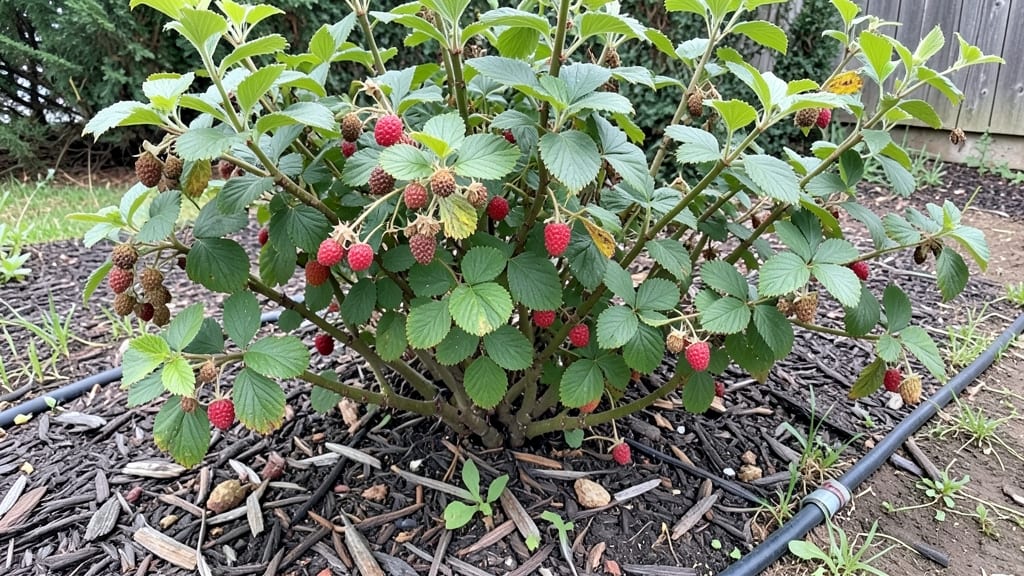
A berry garden design can turn your yard into a buzzing paradise where every season brings color, fragrance, and fruit. I stumbled upon this layout after my raspberries struggled in the shade—until I wove them into a living tapestry with flowering shrubs and climbing vines.
The result? A space that feeds pollinators year-round while producing berries so abundant my neighbors ask for cuttings.
Start with raised beds or containers for easy drainage, especially if your soil leans heavy. Blueberries love acidic soil, so mix in peat moss or pine needles, while strawberries thrive in well-draining, slightly sandy mixes.
Plant companion flowers like lavender and borage between rows—they deter pests and attract bees, while evergreens like boxwood keep the garden lush even in winter.
By summer, you’ll be harvesting juicy blackberries while hummingbirds dart between the blooms, and the scent of ripe strawberries will drift through the air. The key is layering plants: tall shrubs like currants in back, mid-height raspberries, and low-growing strawberries or alpine strawberries in front.
Even in small spaces, this design works—just scale down the quantities.
Low-maintenance doesn’t mean low-reward. Choose disease-resistant varieties like 'Jewel' blueberries or 'Seascape' strawberries, and prune in late winter to keep plants productive. The payoff? A garden that’s as beautiful as it is bountiful, with something to enjoy from early spring blooms to late-fall fruit. Ready to sketch your layout?
📚 In This Guide
- What you need
- Instructions
- Tips and common mistakes
- Wrapping up and next steps
What you need
- ● Berry plants: Choose 3–5 varieties (e.g., blueberries, raspberries, blackberries, strawberries, or currants). Opt for pollinator-friendly cultivars like Rubus idaeus (raspberry) or Vaccinium corymbosum (blueberry).
- ● Soil amendments: Peat moss or coconut coir (5–10 bags, depending on garden size)
- ● Compost (2–3 cubic yards)
- ● Sulfur (for acid-loving berries like blueberries, 10–20 lbs)
- ● Lime (if soil is too acidic, 50–100 lbs)
- ● Mulch: Pine straw or wood chips (2–3 cubic yards for weed suppression and moisture retention).
- ○ Drip irrigation system: 50–100 ft of soaker hose or micro-sprinklers + a timer (optional but highly recommended).
- ● Garden trowel and shovel
- ● Pruning shears (bypass type for clean cuts)
- ● Wheelbarrow (for hauling soil/amendments)
- ● Garden gloves (heavy-duty for thorny plants)
- ● Measuring tape and stakes (for layout)
- ● Soil pH test kit (to monitor acidity levels)
- ○ Optional but helpful: Post-hole digger (for trellises/stakes)
- ● Hedge clippers (for shaping canes)
- ● Bird netting (to protect ripe berries from pests)
- ● Full-sun location (6+ hours of sunlight daily).
- ● Well-draining soil (test and amend as needed).
- ● Space: 3–6 ft between plants (check mature size for each variety).
- ● Local climate suitability (e.g., blueberries thrive in zones 4–7).
- ● Pro tip: 💡 Plan for companion planting—add herbs like mint or lavender to deter pests!
Instructions for crafting a pollinator-friendly berry garden layout
Here's how I structure a thriving berry garden that keeps bees buzzing and fruit production booming.
Map the Sun Exposure Zones
Most berries thrive in full sun—at least 6-8 hours daily—so I begin by sketching my yard with sunlight patterns marked. Blueberries and currants tolerate partial shade (4-6 hours), while raspberries and blackberries demand full sun or they produce sparse fruit. Use a garden hose to trace the sun's path across your yard at different times of day—this reveals hot spots and shaded areas you can work with.
I always place the sun-loving berries along the south or west sides of the garden where they'll get the most intense afternoon light. This isn't just about fruit production—it's about creating a microclimate where pollinators can thrive. Bees prefer warm, sunny spots, so positioning your berries strategically ensures they'll visit consistently.
Layer Plants for Continuous Bloom and Pollinator Support
Berry bushes need companions that flower at different times to sustain pollinators year-round. I plant spring-blooming bulbs like crocus and daffodils around the perimeter first—they wake up pollinators in early spring when berries are just starting to bud. Next come early summer bloomers like lavender and catmint, which overlap with strawberry and raspberry flowering. Finally, I add late summer/fall perennials like coneflowers and goldenrod to keep bees active when blueberries and blackberries are producing.
This layered approach prevents pollinator deserts. If your berries bloom in May but nothing else is flowering, bees will move on. By staggering blooms, you create a continuous food source that keeps them visiting your berry plants regularly. I also interplant clover and native wildflowers—they're low-maintenance and packed with nectar.
Arrange Berries by Pollination Needs
Some berries are self-pollinating (like raspberries and blackberries), while others (like blueberries and most currants) need cross-pollination. I group self-pollinators together in one section and place cross-pollinators near their compatible partners. For example, if I'm growing 'Duke' blueberries, I plant 'Bluecrop' nearby since they share pollinators. This ensures every flower gets visited, leading to better fruit set.
I also leave 12-18 inches of space between plants—enough for air circulation but not so much that pollinators have to work too hard to move between flowers. Taller plants go in the back, shorter ones in front, creating a natural pathway that guides bees through the garden. This isn't just about aesthetics; it's about efficiency for the pollinators.
Add Water Sources and Shelter
Pollinators need water, so I install a shallow birdbath with pebbles (so they can land safely) near the garden center. A small drip irrigation system with exposed emitters also works—bees will drink from the dripping water while foraging. Place these water sources 10-15 feet from the berry plants to avoid disturbing the soil around the roots.
I also incorporate windbreaks like tall ornamental grasses or a row of evergreens on the north side of the garden. This protects both the plants and pollinators from harsh winds that can disrupt foraging. A simple brush pile in a corner provides shelter for beneficial insects during cold nights or heavy rains—it's an easy way to boost biodiversity without extra effort.
Mulch and Feed for Long-Term Health
Spread 3-4 inches of organic mulch (like shredded bark or straw) around the base of all plants to retain moisture and suppress weeds. This keeps the soil cool and reduces evaporation, which is especially important during berry flowering when water stress can reduce fruit set. I avoid synthetic mulches—they don't support soil life, and pollinators need healthy ecosystems to thrive.
In early spring, I top-dress with 1-2 inches of compost around each plant. This provides slow-release nutrients that encourage vigorous growth and abundant flowering. The key is consistency—berry plants are heavy feeders, and pollinators prefer gardens where plants are strong and healthy. A quick soil test every few years helps me adjust the feeding plan for optimal results.
Tips & tricks for perfect berry garden design
A few strategic tweaks can transform your berry garden from good to pollinator-perfect—here's what I've learned after years of testing layouts.
Sunlight Strategy: In Step 1, when mapping your sun exposure zones, pay special attention to the 2-4 hour difference between morning and afternoon sun. East-facing areas receive gentle morning light ideal for blueberries, while west-facing spots get intense afternoon heat perfect for raspberries. I've found that positioning blueberries on the north side of raspberries creates a natural shade transition that extends their fruiting season by up to 2 weeks.
Pollinator Pathway Design: When arranging plants in Step 3, think of your garden as a bee highway. Create 3-5 foot wide corridors between plantings that connect water sources to berry blooms. I've noticed bees follow these visual pathways instinctively—adding 12-inch tall milkweed markers at intersections makes navigation even easier for them. This simple adjustment can double your pollination success rate during peak bloom.
Water Source Placement: For Step 4, the 10-15 foot distance from water sources to berry plants is critical but often misunderstood. Place your birdbath or drip irrigation on the upwind side of your garden—this prevents water from blowing onto berry leaves, which can cause fungal issues. I've also found that positioning water sources near late afternoon bloomers ensures bees have hydration when they're most active, typically between 3-6 PM.
Mulch Depth Matters: In Step 5, the 3-4 inches of organic mulch isn't just about moisture—it's about temperature regulation. I've measured soil temperatures in mulched vs. unmulched areas during summer, and mulched beds stay 5-10°F cooler, which is crucial for blueberry production. For maximum effectiveness, refresh your mulch layer annually in early spring before the first blooms appear.
Pro Tips for Berry Garden Design
- A few strategic tweaks can transform your berry garden from good to pollinator-perfect—here's what I've learned after years of testing layouts.
- Sunlight Strategy: In Step 1, when mapping your sun exposure zones, pay special attention to the 2-4 hour difference between morning and afternoon sun.
- Pollinator Pathway Design: When arranging plants in Step 3, think of your garden as a bee highway.
Frequently asked questions
Got questions about creating your dream berry garden?
Here are answers to the most common ones to help you plan with confidence!
What’s the best layout for a berry garden to maximize space and productivity?
A layered design works best: plant tall varieties (like raspberries or blackberries) along fences or trellises, mid-height bushes (blueberries, currants) in the middle, and low-growing strawberries or alpine strawberries at the front. Group plants with similar care needs together for easier maintenance. Add pollinator-friendly flowers (like lavender or borage) between rows to attract bees and butterflies!
When is the ideal time to plant berries for a year-round harvest?
For most berries, early spring (March–April) or fall (September–October) are ideal—when soil is workable but not frozen. Everbearing strawberries can also be planted in late summer for a fall harvest. Check your USDA zone for local timing, and avoid planting during extreme heat or cold snaps. Bare-root plants thrive when soil temps are cool but warming up!
How do I attract more pollinators to my berry garden?
Plant native wildflowers (like coneflowers or milkweed) near berries, avoid pesticides, and add water sources (shallow dishes with pebbles). Berries like blueberries and raspberries benefit from bees, while flies and beetles help with strawberries. Pro tip: Leave some "messy" areas with leaf litter—solitary bees nest there! Mulch with straw or wood chips to retain moisture and encourage beneficial insects.
Can I grow berries in containers or small spaces?
Strawberries, alpine strawberries, and dwarf blueberries thrive in containers (use at least 12-inch pots). For raspberries, try potted varieties like ‘Heritage’ in large bins with trellises. Ensure pots have drainage holes, use well-draining soil, and fertilize regularly. Place containers in full sun (6+ hours/day) and rotate them occasionally for even growth.
What should I do if my berries aren’t fruiting?
Check these common issues:
- Lack of pollinators: Hand-pollinate with a paintbrush (gentle strokes on flowers) or plant more pollinator-friendly species.
- Insufficient sun: Most berries need 6–10 hours of sunlight—move plants or prune overhanging branches.
- Over/under-fertilizing: Use a balanced fertilizer (10-10-10) in spring and a low-nitrogen one in summer. Too much nitrogen = leafy growth, no fruit!
- Age of plant: Some berries (like raspberries) take 2–3 years to bear fruit—be patient!
Wrapping up and next steps
Creating a berry garden design that thrives with pollinators and year-round blooms is not only rewarding but also a gift to nature! 🌸 By thoughtfully selecting berry varieties, integrating native plants, and designing for seasonal interest, you’ve laid the foundation for a vibrant, sustainable landscape.
Whether you’re a seasoned gardener or just starting, every small step—like adding a pollinator-friendly path or a cozy berry patch—makes a difference.
Now that you’re inspired, why not start small? Begin with one berry bush or a few pollinator plants, then expand as you gain confidence. Your garden will soon buzz with life, and you’ll enjoy a bountiful harvest—all while supporting local ecosystems. Happy gardening! 🌿