
Shrubs
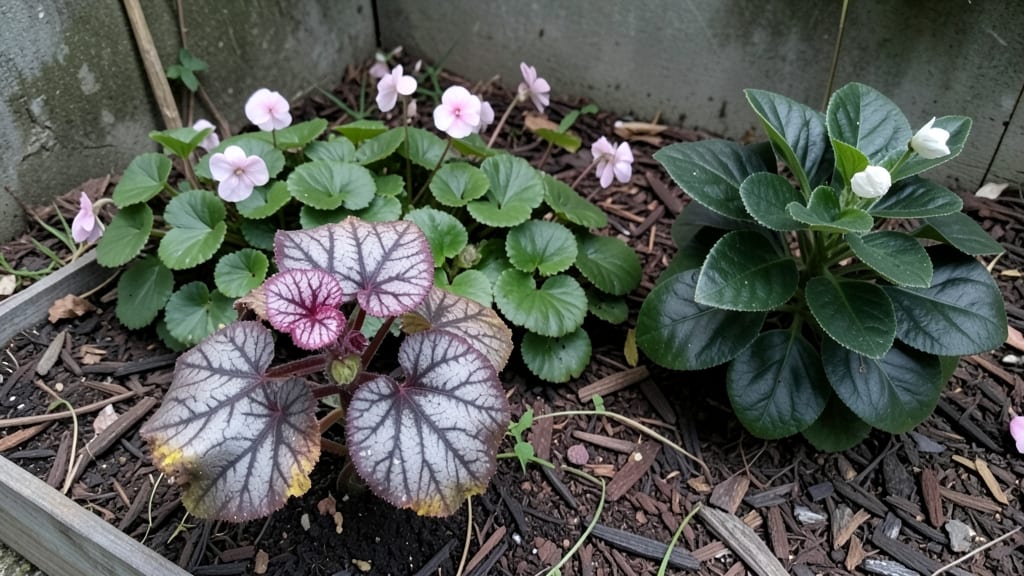
Shade gardens finally have a showstopper: begonias that thrive where others fade. 🌿 I’ve filled my dimly lit corners with velvety leaves in every shade imaginable—deep burgundy, chartreuse, even black—and they’ve never let me down.
These plants don’t just survive in low light; they thrive, turning gloomy spots into lush, jewel-toned retreats.
The secret lies in their versatility. Begonias work in hanging baskets where their cascading foliage spills like living curtains, or tucked into woodland garden beds where their textures contrast beautifully with ferns and hostas.
My favorite? The rex begonias, with their ruffled, maple-like leaves that catch the light even under trees. They’re the perfect foil for impatiens’ delicate blooms or heucheras’ architectural forms.
Picture this: a border where bronze-leaved begonias frame a path, their glossy surfaces reflecting morning mist, or a container combo where silver-striped varieties glow against dark hosta leaves. The foliage alone delivers drama—no flowers required. And because they’re shade-tolerant, you can finally stop apologizing for that shady corner.
Here’s the game-changer: begonias layer effortlessly. Use them as a living mulch under taller plants, or let them spill over container edges to soften harsh lines. The key is mixing textures—pair velvety leaves with spiky ferns or feathery astilbes—and letting their colors pop against mossy stones or dark mulch.
Your shade garden just got an upgrade.
📚 In This Guide
- What you need
- Instructions
- Tips and common mistakes
- Wrapping up and next steps
What you need
- ● Begonia plants: Choose tuberous, rex, or wax begonias (3–5 plants per square foot for full coverage). Opt for healthy, disease-free specimens from nurseries or online retailers.
- ● Well-draining potting mix: 1–2 bags (18–25 lbs each) of a peat-based or coco coir blend mixed with perlite or sand (1 part perlite to 4 parts soil) to prevent root rot.
- ● Containers or garden beds: Containers: 6–12-inch pots with drainage holes (1–2 per plant). Terracotta or fabric pots work best.
- ● Garden beds: Amend soil with 2–3 inches of compost and a 1-inch layer of mulch (e.g., pine bark or shredded leaves).
- ● Slow-release fertilizer: A balanced 10-10-10 or 20-20-20 formula (1–2 tbsp per plant at planting time). Organic options like fish emulsion or worm castings are great too!
- ● Garden gloves (1 pair) – Protect your hands from soil and sharp edges.
- ● Trowel or hand shovel – For digging and transplanting (small, 6-inch variety is ideal).
- ● Pruners or clean scissors – To trim dead leaves or propagate cuttings.
- ● Watering can or hose with a gentle spray nozzle – Begonias hate soggy roots!
- ○ pH testing kit (optional) – Aim for a soil pH of 5.5–6.5 (begonias prefer slightly acidic soil).
- ○ Mulch spreader (optional) – For even coverage in garden beds.
- ● Shade location: Partial to full shade (2–6 hours of dappled sunlight max). Avoid harsh midday sun.
- ● Moisture control: Begonias love humidity! Group plants together or use a pebble tray with water for extra moisture.
- ● Temperature: Ideal range is 60–75°F. Protect from frost (below 50°F) with row covers or move containers indoors.
- ● Patience: Some begonias (like rex types) grow slowly—don’t rush the process!
How to select and plant begonias for thriving shade gardens
Here’s how I transform shady spots into vibrant displays using the right begonias.
🌿 Step 1: Choose the Right Begonia Varieties for Your Shade Level
Not all begonias tolerate shade equally. For deep shade (under 3 hours of light), opt for Rex begonias or angel-wing begonias—their bold foliage thrives where others wilt. In partial shade (3-6 hours of light), wax begonias or fibrous-rooted begonias deliver both flowers and lush leaves. Check the plant tags for light requirements, as some labeled "shade-tolerant" still need dappled light.
I always test a small pot first if unsure—place it in the shadiest corner of your garden for 7-10 days before committing. Watch for yellowing leaves (too much light) or stretched stems (too little). Adjust placement until the foliage stays vibrant and compact.
🪴 Step 2: Prepare Containers or Garden Beds for Optimal Drainage
Begonias rot easily in soggy soil, so container gardening is ideal for shade lovers. Use 6-inch pots (one plant per container) with multiple drainage holes—I drill extra holes if needed. Fill the bottom 1 inch deep with orchid bark mix (from your supplies) to improve aeration and prevent waterlogging.
For in-ground planting, amend the soil with 2-3 inches of compost and a handful of perlite to loosen heavy clay. Begonias prefer slightly acidic soil (pH 5.5-6.5)—test your soil if your area has alkaline conditions. Mix in a slow-release fertilizer (like 10-10-10) at planting to support early growth.
☀️ Step 3: Plant at the Correct Depth and Water Thoroughly
Remove the begonia from its pot and loosen the roots gently if they’re circling. For container planting, place the root ball 1 inch below the rim—this prevents stem rot from overwatering. In garden beds, dig a hole twice as wide as the root ball but only as deep as the pot’s base. Begonias hate being buried too deep.
Water immediately after planting until water runs freely from the drainage holes (or seeps into the surrounding soil for in-ground plants). Use lukewarm water—cold water shocks tender roots. After watering, let the top ½ inch of soil dry before watering again. Overwatering is the #1 killer of shade begonias.
💧 Step 4: Maintain Consistent Moisture and Humidity
Begonias love humidity but despise dry air. If your climate is arid, mist the leaves daily or place pots on a tray of pebbles with water (ensuring the pot sits above the waterline). In containers, water every 2-3 days—check by sticking a finger 1 inch deep into the soil. If it feels dry, water until moisture reaches 2 inches down.
Fertilize every 4-6 weeks with a balanced liquid fertilizer (diluted to half strength) during the growing season. Stop fertilizing in late summer to encourage blooming (for flowering types) or foliage maturation. Yellow leaves? You’re overwatering. Brown leaf edges? The air is too dry. Adjust accordingly.
✂️ Step 5: Prune and Deadhead for Continuous Growth
Pinch back leggy stems in early spring to encourage bushier growth. For flowering begonias, deadhead spent blooms weekly to redirect energy into new flowers. Use clean, sharp scissors and cut just above a leaf node—never tear stems. I prune after watering so the plant isn’t stressed.
In fall, reduce watering gradually. When temperatures drop below 50°F at night, bring container begonias indoors to a bright, cool spot (55-65°F). Rex and angel-wing begonias can overwinter indoors with reduced light—just keep the soil lightly moist. Flowering types may need a dormant period of 4-6 weeks in cooler conditions to rebloom vigorously next season.
Tips & tricks for perfect begonia planting in shade gardens
Transforming shady spots into vibrant displays starts with these key strategies that prevent common pitfalls and maximize your begonias' potential.
Variety Selection Insight: While Rex and angel-wing begonias excel in deep shade (under 3 hours of light), don't overlook wax begonias for partial shade (3-6 hours). I've found they produce stunning flowers even with minimal light exposure. Pro tip: Look for plants labeled "shade-tolerant" but still verify their specific light requirements—some "shade" plants actually need dappled light to thrive. The 7-10 day test period in Step 1 is your best quality control measure.
Drainage System Strategy: The 1-inch layer of orchid bark mix in your containers isn't just about aeration—it creates a crucial moisture barrier. I've seen begonias rot within weeks when planted in regular potting mix without this modification. For in-ground planting, consider adding hydrogel crystals to the compost mix (optional) to help retain moisture during dry spells while still preventing waterlogging. Always verify your soil's pH—begonias prefer slightly acidic conditions (5.5-6.5), and alkaline soil can stunt growth.
Planting Depth Precision: That 1-inch below-the-rim placement for container planting might seem minor, but it's critical for preventing stem rot. I've lost multiple begonias by planting too deep—watch for the top of the root ball to sit just below the container's rim. For in-ground planting, the "twice as wide but same depth" rule prevents root constriction while allowing proper drainage. After planting, the immediate thorough watering (until water runs freely) settles the soil and eliminates air pockets that could cause root stress.
Seasonal Transition Tactics: When nighttime temperatures drop below 50°F, container begonias need that bright, cool indoor spot (55-65°F). I place mine near east-facing windows where they get indirect light. For flowering types, the 4-6 week dormant period is essential—reduce watering gradually and avoid fertilizing during this time. Rex begonias, however, can handle reduced light conditions indoors with just consistent moisture.
Pro Tips for Begonias For Shade Gardens
- Transforming shady spots into vibrant displays starts with these key strategies that prevent common pitfalls and maximize your begonias' potential.
- Variety Selection Insight: While Rex and angel-wing begonias excel in deep shade (under 3 hours of light), don't overlook wax begonias for partial shade (3-6 hours).
- Drainage System Strategy: The 1-inch layer of orchid bark mix in your containers isn't just about aeration—it creates a crucial moisture barrier.
Frequently asked questions
What’s the best type of begonia for deep shade gardens?
For low-light conditions, opt for Rex begonias (like ‘Silver Frost’ or ‘Night Sky’) or Wax begonias (e.g., ‘Café Au Lait’). These varieties handle dappled or filtered shade best. Avoid Tuberous begonias—they need at least 4–6 hours of sunlight to bloom.
How often should I water begonias in shade?
Water when the top inch of soil feels dry, typically 2–3 times per week in summer (more in containers). Shade slows evaporation, but overwatering kills roots. Use well-draining soil and pots with drainage holes to prevent soggy roots. Mulch helps retain moisture without drowning plants.
Why are my begonia leaves turning yellow or spotted?
Yellow leaves often signal overwatering or poor drainage, while spots may mean fungal issues (like powdery mildew) or pests (e.g., aphids). Check soil moisture, improve airflow, and spray leaves with neem oil if needed. Brown edges? It could be low humidity—mist leaves or use a pebble tray.
Can begonias survive winter in shade gardens?
Most tender begonias (like Rex or Wax) die back in frost. Dig up tubers (if applicable) and store in dry peat moss. For perennial varieties (like Begonia semperflorens), mulch heavily and protect with burlap wraps in zones below 8. No winter prep? Treat them as annuals and replant next spring.
What’s a great shade-loving alternative if begonias don’t thrive?
Try these low-light champions:
- Impatiens (e.g., ‘Super Elfin’): Thrives in deep shade, blooms nonstop.
- Heuchera (Coral Bells): Stunning foliage, drought-tolerant once established.
- Astilbe: Feathery plumes add texture; loves moist, shady spots.
- Ferns (e.g., Maidenhair or Boston): Classic shade plants with lush fronds.
All handle less sun better than begonias but offer different textures/colors!
Wrapping up and next steps
Begonias are the perfect shade-loving superstars for transforming dim corners of your garden into vibrant, lush retreats. 🌿 With their diverse varieties—from trailing rex begonias to bold angel-wing types—you can effortlessly add texture, color, and life to low-light spaces.
Whether you're a seasoned gardener or just starting out, these plants reward patience with stunning foliage and minimal fuss.
Ready to bring your shade garden to life? Start small—pick one variety to test, or mix a few for a layered effect. Grab your gloves, pick up some begonias, and let your creativity bloom! Your garden’s next masterpiece is just a few clippings away. 🌸