
Tools
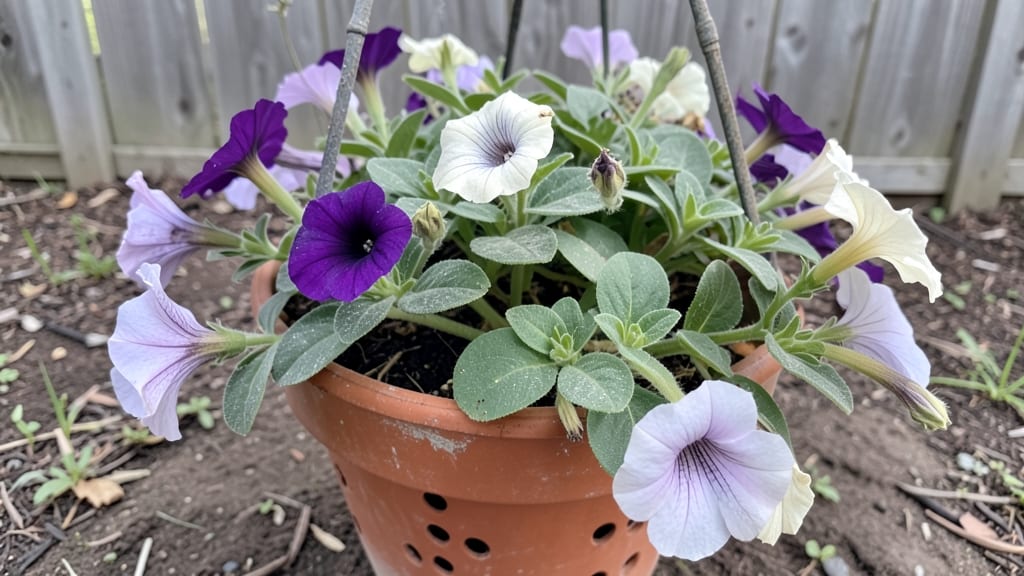
Creating a balcony flower garden that bursts with color without taking up an inch of floor space changed how I see small outdoor areas—it’s not about sacrificing beauty for size, but about working smarter with what you’ve got.
The key? Vertical thinking. I turned my cramped balcony into a lush, pollinator-friendly paradise using nothing but hanging pots, wall pockets, and a few well-placed shelves, all while keeping maintenance simpler than watering a single potted plant.
You’ll need just three things to start: lightweight containers (think plastic or fabric grow bags), a drip irrigation kit or watering can with a long spout, and plants that thrive in small spaces—petunias, ferns, and trailing ivy are my go-tos.
The real magic happens in how you arrange them: cluster taller plants at the back, let cascading varieties spill over edges, and group colors by hue for a cohesive look. Even in partial shade, you can create drama with silver foliage and deep purples.
By summer’s end, you’ll have a balcony that feels like a secret garden, where every inch of wall space contributes to the show. The best part? Deadheading spent blooms takes two minutes, and you’ll attract hummingbirds and butterflies without trying.
This isn’t just decoration—it’s a living, breathing extension of your home that proves small spaces can hold big impact.
Whether you’re working with a sunny railing or a shady corner, the same principles apply: prioritize drainage, rotate containers for even growth, and don’t overcrowd. Start with one corner, then expand as you see what thrives.
Your balcony will thank you—and so will your neighbors, who’ll be green with envy over your effortless curb appeal.
📚 In This Guide
- What you need
- Instructions
- Tips and common mistakes
- Wrapping up and next steps
What you need
- ● Containers: Vertical planters (e.g., wall pockets, hanging pockets, or trellis-mounted pots) – 2-6 units, depending on space and design
- ● Hanging baskets (12"-18" diameter) – 2-4 units, for trailing plants
- ● Standard pots (6"-12" diameter) – 3-5 units, for upright flowers
- ● Growing Medium: High-quality potting mix (lightweight, well-draining) – 1-2 bags (5-10 lbs each)
- ○ Perlite or vermiculite (optional, for extra drainage) – small bag
- ● Plants: Compact, balcony-friendly flowers (e.g., petunias, geraniums, fuchsias, or succulents) – 6-12 plants
- ● Trailing plants (e.g., ivy, nasturtiums, or creeping thyme) – 2-4 plants
- ● Essential Tools: Trowel or small hand shovel
- ● Gloves (gardening or work gloves)
- ● Watering can (with a long spout) or hose with a gentle nozzle
- ● Measuring tape or ruler (for spacing)
- ● Slow-release fertilizer granules (for nutrient boost)
- ● Decorative pebbles or mulch (for aesthetics + moisture retention)
- ● Self-watering planters (for busy bees!)
- ● LED grow lights (if your balcony lacks sunlight)
- ● Plant labels (to track varieties)
How to create a balcony flower garden that thrives with minimal effort
Here's how to transform your small space into a vibrant, low-maintenance floral display.
Select Containers and Arrange for Maximum Impact
Start with containers that match your balcony's style and weight limits. I prefer lightweight fabric grow bags for their breathability and easy drainage, but terracotta pots add classic charm. Choose sizes between 6 to 12 inches deep—shallower pots work for trailing plants like petunias, while deeper ones suit taller varieties like snapdragons.
Arrange containers at varying heights using stackable planters or wall-mounted shelves to create visual interest. Place taller plants toward the back or center, then fill gaps with cascading varieties. This layered approach maximizes your limited space while ensuring every bloom gets noticed. Test your layout before planting to visualize the final effect.
Choose Drought-Tolerant Flowers for Easy Care
Select flowers that thrive in containers and require minimal watering. My go-to zero-fuss picks include geraniums (heat-loving and drought-resistant), sweet alyssum (self-cleaning and fragrant), and portulaca (succulent-like and sun-happy). These varieties bloom prolifically with just weekly watering once established.
Avoid heavy feeders like impatiens—they demand frequent watering and fertilizing. Instead, opt for self-sufficient annuals that store moisture in their leaves or stems. Check each plant's tag for sunlight needs, then group them accordingly. Most balcony flowers need at least 6 hours of sun daily, so position containers near the railing or on south-facing walls.
Plant Using the Right Soil and Watering Routine
Fill containers with lightweight potting mix designed for containers—it drains faster than garden soil and prevents root rot. Mix in a slow-release fertilizer (like osmocote) at planting time to feed blooms for 6-8 weeks without extra effort. Fill each pot to 1 inch below the rim, leaving room for watering.
Water thoroughly after planting, then let the top 1-2 inches of soil dry out before watering again. Use a self-watering planter if you travel often—it delivers moisture directly to roots while preventing soggy soil. Mulch the surface with orchid bark to slow evaporation and keep roots cool. This simple routine keeps flowers blooming with half the usual watering.
Maintain With Weekly Checks and Seasonal Refreshes
Spend just 10 minutes weekly deadheading spent blooms—this encourages nonstop flowering. Pinch back leggy stems to promote bushier growth, and rotate containers quarter-turns monthly so plants grow evenly toward the light. Watch for yellowing leaves, which signal overwatering, or crispy edges, a sign of thirst.
In late summer, swap out half the plants with cool-season varieties like pansies or violas for fall color. These hardy annuals thrive in cooler temps and add fresh life to your balcony. Store empty containers in a dry place for reuse next season—no need to clean them unless pests appear.
Tips & tricks for perfect balcony flower garden design
Balcony gardening is all about maximizing limited space while minimizing effort—here's how to make your floral display truly stand out with minimal work.
Container Selection Matters: When choosing between fabric grow bags and terracotta pots, consider your balcony's weight limits and drainage needs. Fabric grow bags are lighter and prevent root circling, while terracotta pots add classic charm but can dry out faster. For trailing plants like petunias, opt for shallower containers (6 inches deep), while taller varieties like snapdragons need deeper pots (10-12 inches) to support their roots. I've found that mixing container materials adds visual interest while addressing different plant needs.
Sunlight Strategy: Most balcony flowers need at least 6 hours of direct sunlight daily, but positioning matters more than you think. South-facing walls get the most sun, while north-facing spots may need sun-loving varieties like geraniums or portulaca. If your balcony gets afternoon shade, place taller plants toward the back to avoid blocking sunlight from reaching shorter varieties. I always test my layout before planting by moving containers around during the day to visualize how shadows will fall.
Watering Wisdom: The key to minimal watering is using the right soil mix and containers. Lightweight potting mix designed for containers drains faster than garden soil, preventing root rot. After planting, water thoroughly but then let the top 1-2 inches dry out before watering again. For travel or busy weeks, self-watering planters are a game-changer—they deliver moisture directly to roots while preventing soggy soil. I've cut my watering time in half by using these, and my flowers stay vibrant without the fuss.
Seasonal Swap Secret: In late summer, don't let your balcony garden fade—swap out half your plants with cool-season varieties like pansies or violas. These hardy annuals thrive in cooler temperatures and add fresh color to your space. I've found that this simple refresh extends my blooming season by 2-3 months with almost no extra effort. It's also a great way to rotate out spent plants before they become maintenance headaches.
Pro Tips for Balcony Flower Garden
- Balcony gardening is all about maximizing limited space while minimizing effort—here's how to make your floral display truly stand out with minimal work.
- Container Selection Matters: When choosing between fabric grow bags and terracotta pots, consider your balcony's weight limits and drainage needs.
- Sunlight Strategy: Most balcony flowers need at least 6 hours of direct sunlight daily, but positioning matters more than you think.
Frequently asked questions
Got questions about creating your dream balcony flower garden? You’re not alone! Here are answers to the most common queries to help you grow confidently—whether you’re a beginner or just need a quick tip.
What’s the best time of year to start a balcony flower garden?
Spring and early summer are ideal for most flowers, but you can plant in late summer or early fall in milder climates. Cool-season blooms like pansies or snapdragons thrive in fall, while succulents and cacti prefer warm, dry conditions. Always check your plant’s specific needs—some, like petunias, love heat!
How often should I water my balcony flowers?
Watering depends on your plants and climate, but a general rule is 1–2 times daily in hot weather and every 2–3 days in cooler months. Containers dry out faster than ground soil, so check moisture by sticking your finger 1 inch into the soil. Drip irrigation systems or self-watering planters can save time and effort!
Can I grow flowers on a small balcony with no direct sunlight?
Opt for low-light tolerant plants like ferns, peace lilies, or impatiens. Place pots near windows or use grow lights for 6–8 hours daily. Even a tiny corner with indirect light can support herbs or trailing flowers like string of pearls. Just avoid heavy bloomers like sunflowers—they need full sun!
What should I do if my balcony flowers get pests or diseases?
Start by identifying the issue: Yellow leaves? Overwatering or fungus. Chewed foliage? Aphids or spider mites. Spray affected areas with neem oil or insecticidal soap for mild cases. For severe problems, remove damaged leaves and repot with fresh soil. Prevention is key—keep plants healthy, well-spaced, and pruned!
Are there budget-friendly alternatives to expensive planters?
Yes! Repurpose plastic containers (clean yogurt cups, milk jugs), old boots, or even hanging socks for herbs. Upcycle wooden crates, pallets, or pallet wood into vertical gardens. Just ensure containers have drainage holes—poke a few with a nail if needed. Thrift stores often have affordable pots too!
Wrapping up and next steps
Creating a balcony flower garden is all about embracing creativity with minimal effort—proving that even small spaces can burst with color and life! 🌸 Whether you’re a green thumb or just starting, the key is choosing the right plants, containers, and a little sunlight.
With the right setup, you’ll enjoy a thriving garden that brightens your days and invites nature right to your doorstep.
Ready to take the next step? Start small—pick one or two plants, gather your supplies, and let your balcony bloom! Happy gardening! 🌿