
Pests
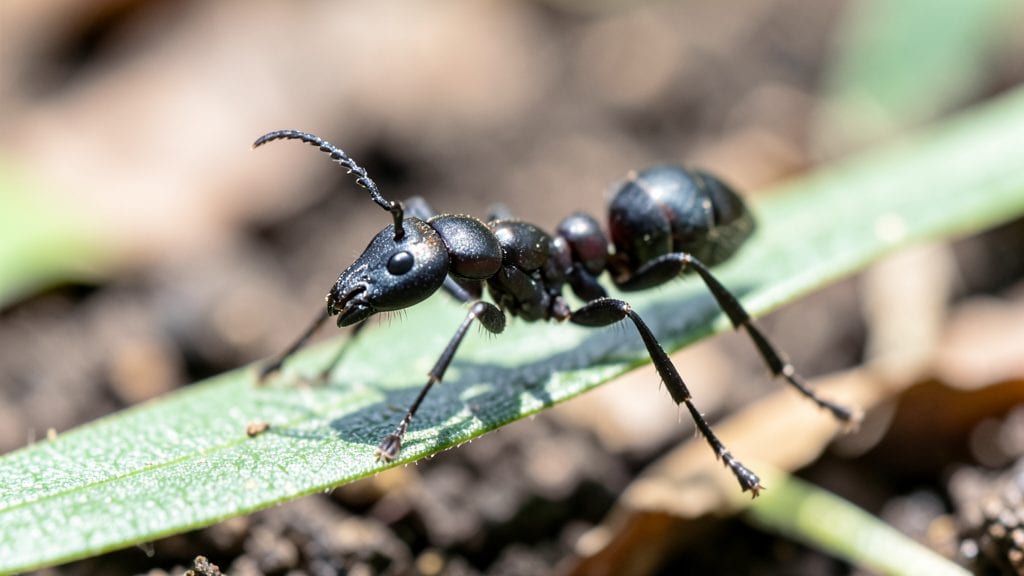
Ants are generally beneficial in the garden, as they improve soil quality, hunt down harmful insects like aphids, and help spread plant nutrients. However, certain species can harm roots or create conditions that attract other pests, so targeted management is key.
Most gardeners don't realize how much ants contribute to a healthy ecosystem—they're like tiny soil engineers, breaking down organic matter and creating tunnels that improve drainage. 🌱 The real challenge comes with species like fire ants or carpenter ants, which can disrupt plant roots or even damage wooden structures.
I've found that observing ant trails and identifying the species helps determine whether intervention is needed or if their presence is actually beneficial.
When ants become a problem, simple organic solutions like diatomaceous earth or citrus peels can disrupt their trails without harming plants. The key is acting early—once they've established colonies, removal becomes much more difficult.
Many gardeners swear by vinegar sprays for temporary deterrence, though I've had better luck with commercial baits that target specific ant species.
💡 In This Article
- How Ants Benefit and Harm Garden Ecosystems
- Natural Ways to Manage Ant Populations in Gardens
How ants benefit and harm garden ecosystems
Ants play a dual role in garden ecosystems, acting as both beneficial allies and potential nuisances depending on the species. Their ecological contributions begin with soil aeration—as they tunnel through the earth, they create channels that improve water drainage and oxygen flow to plant roots.
A single colony can generate up to 100 feet of tunnels, which is equivalent to the root system of a small shrub. This natural tillage reduces soil compaction, a common issue in gardens where heavy foot traffic or machinery compresses the earth.
Their pest control abilities are equally impressive. Ants like the Argentine ant (Linepithema humile) and harvester ants (Pogonomyrmex spp.) actively hunt and consume garden pests such as aphids, caterpillars, and even small beetles.
Studies show that a colony of harvester ants can eliminate thousands of aphids per season, reducing the need for chemical pesticides. Their predatory behavior helps maintain a natural balance, preventing outbreaks of plant-damaging insects.
However, some species like fire ants (Solenopsis invicta) have a darker side—their aggressive mounds can disrupt plant roots and create uneven terrain that hampers water absorption.
On the harmful side, certain ants engage in fungal farming, creating underground gardens that weaken plant roots. Leafcutter ants (Atta spp.) are notorious for this, carrying leaves back to their nests to cultivate fungus.
While this doesn't directly harm garden plants, their activity can deplete soil nutrients and attract other pests like termites. Additionally, ants often tend to sap-sucking insects like aphids, which excrete honeydew—a sticky substance that fosters sooty mold growth on leaves.
This mold blocks sunlight and stunts plant growth, turning a seemingly helpful ant into an indirect menace.
Not all ants are created equal when it comes to garden impact. For example, pavement ants (Tetramorium caespitum) are generally harmless, while carpenter ants (Camponotus spp.) can tunnel into wooden structures, compromising garden furniture or trellises.
The key to coexistence lies in species identification—observing mound shape, trail patterns, and worker size can reveal whether you're hosting helpful allies or problematic invaders.
For instance, fire ant mounds are typically 12-18 inches tall with a smooth, crater-like appearance, while harvester ant mounds are smaller and covered in loose soil particles.
What most gardeners don't realize is how ants facilitate seed dispersal. Species like harvester ants collect seeds, store them in their nests, and later discard the inedible parts, effectively planting new vegetation. This behavior contributes to biodiversity by introducing native plants to the ecosystem.
However, this benefit comes with a trade-off: some seeds may sprout in unwanted locations, requiring manual removal. The balance between these roles means that ants are neither universally good nor bad—their impact depends on the specific species and the garden's overall health.
To make an informed decision, consider the ant's behavior rather than its presence alone. If you notice trails leading to aphid colonies, the ants are likely beneficial. But if you see large, aggressive mounds or chewed plant stems, it's time to investigate further.
Understanding these nuances allows gardeners to harness the benefits while mitigating potential harm—turning tiny six-legged workers into allies rather than adversaries. 🌿