
Tools
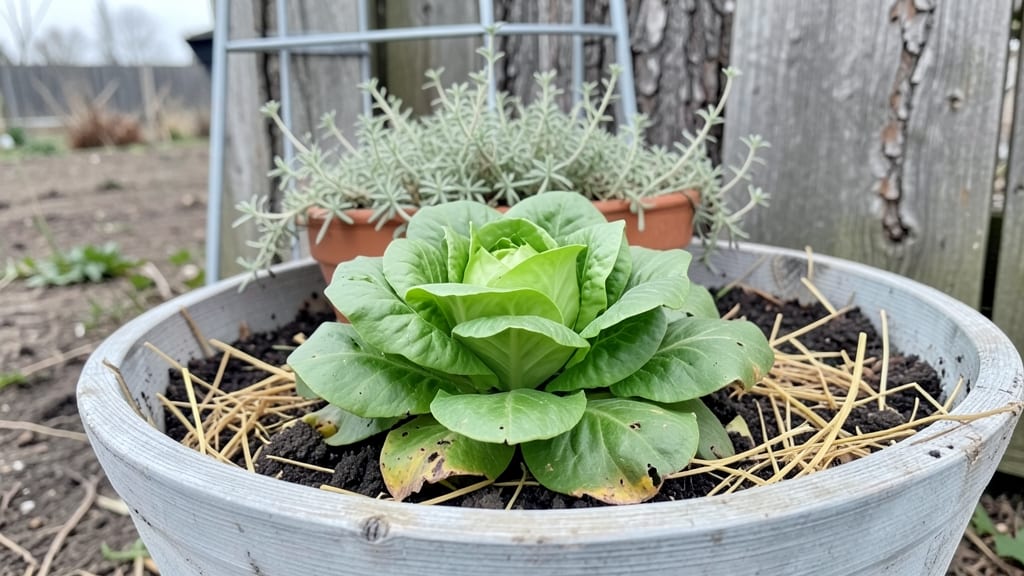
Transforming your tiny terrace into a lush apartment terrace garden starts with seeing every inch as potential—because even a 6-foot balcony can become a thriving green escape.
I turned my cramped city space into a fragrant herb garden and salad bowl by stacking pots vertically and choosing plants that pack flavor into small footprints.
The key isn’t just saving space; it’s creating a functional oasis where you can pluck fresh basil for dinner or watch cherry tomatoes blush against the railing.
You’ll need just three things to begin: lightweight containers (think 5-gallon fabric grow bags or hanging pockets), a mix of dwarf varieties (like 'Tiny Tim' tomatoes or 'Mignonette' peas), and a 10-minute daily check for water.
The real magic happens when you layer plants upward—herbs on shelves, trailing nasturtiums in pockets, and salad greens in shallow troughs. My setup produces more in 10 square feet than my suburban neighbors do in their entire backyard. The best part?
No bending, no weeds, and no excuses for fresh air.
By midsummer, you’ll have a terrace that smells like a country meadow and tastes like a farmer’s market. The dwarf cherry tomatoes burst with juice, the basil leaves are so tender they practically melt, and the vertical greens stay crisp even in the heat.
Even my black thumb can’t kill these plants when they’re this forgiving. The only rule? Rotate containers occasionally so all sides get equal sun—your plants (and your back) will thank you.
This works for any urban space, from sun-drenched fire escapes to shady corners with grow lights. Start small, then expand as you discover what thrives in your microclimate. The first harvest will be the best motivation of all—because nothing beats picking dinner from your own balcony.
📚 In This Guide
- What you need
- Instructions
- Tips and common mistakes
- Wrapping up and next steps
What you need
- ● Containers: 2–5 10–12-inch deep pots (for herbs/veggies) – terracotta, ceramic, or lightweight plastic
- ● 1–2 hanging planters (for trailing plants like strawberries or ivy)
- ● 1 raised planter box (if using a corner or wall-mounted space, 12–18 inches deep)
- ● Soil & Amendments: 5–10 gallons of high-quality potting mix (look for "organic" or "all-purpose")
- ● 1–2 bags of perlite or vermiculite (for drainage, 1 part per 4 parts soil)
- ● Slow-release organic fertilizer (e.g., fish emulsion or compost granules)
- ● Plants: 3–5 compact, urban-friendly plants (e.g., basil, mint, cherry tomatoes, lettuce, or succulents)
- ● 1–2 trailing or climbing plants (e.g., nasturtiums, jasmine, or pothos)
- ● Tools: Trowel or small hand shovel
- ● Gloves (gardening or work gloves)
- ● Watering can or spray bottle (1–2 gallons)
- ● Pruning shears
- ● Drip irrigation kit (for hands-off watering)
- ● Self-watering planters (great for busy schedules!)
- ● Decorative stones or mulch (to enhance aesthetics)
- ● Solar-powered LED lights (for evening ambiance)
- ● Vertical garden panel (if you want to maximize wall space)
Instructions: designing your apartment terrace garden
Here’s how to transform even the smallest outdoor space into a thriving garden.
Measure and Plan Your Layout
Start by measuring your terrace dimensions and sketching a rough layout. Note where sunlight hits throughout the day—most plants need at least 6 hours of sun, while shade-lovers tolerate 2-4 hours. I always mark the sunniest spots first, as they’re prime for vegetables and herbs.
Divide your space into zones: for example, a 2-foot-wide strip along the railing for trailing plants like petunias, and a 3-foot-square corner for taller pots. Use graph paper to scale your design—this keeps proportions realistic and prevents overcrowding. If your terrace has wind exposure, position heavier pots against the wall to avoid tipping.
Select Containers and Soil Mix
Choose containers with drainage holes to prevent root rot—terra cotta pots dry out faster than plastic, which is ideal for drought-tolerant plants like succulents. For 4 plants, you’ll need 4-6 containers depending on their size; I recommend 12-14 inches in diameter for most herbs and flowers.
Fill each pot with a lightweight potting mix (never garden soil—it compacts and drains poorly). Mix in 1 cup of perlite or vermiculite per 5 gallons of soil to improve aeration. Press the soil down gently until it’s firm but not packed—this gives roots stability without restricting growth. Water the mix until it’s evenly moist but not soggy.
Choose Plants for Your Space
Prioritize compact or dwarf varieties to save space. For sun areas, try bush basil, cherry tomatoes, or peppers—these thrive in 1-gallon pots and produce well. In shadier spots, mint, parsley, or ferns grow happily in 6-inch pots. Avoid vining plants like cucumbers unless you have a trellis or vertical space.
Check plant tags for mature size—some herbs like oregano stay small, while others, like dill, bolt quickly. I always group plants with similar water needs together to simplify care. For example, place basil and tomatoes near each other since they both need regular watering and full sun.
Plant and Arrange for Aesthetic Flow
Remove plants from their nursery pots and loosen the roots if they’re tangled. Place each plant in its container, then fill around the base with more potting mix, pressing gently to eliminate air pockets. Water immediately after planting to help the soil settle and roots establish.
Arrange pots so taller plants face the back or center, with shorter ones in front. Trailing plants like nasturtiums or sweet potatoes look stunning spilling over edges—position them near railings or edges. Step back and adjust until the layout feels balanced. Add a 1-inch layer of mulch (like shredded bark) on top to retain moisture and suppress weeds.
Maintain Your Garden for Long-Term Success
Water in the early morning to reduce evaporation and fungal risks. Stick your finger 1 inch into the soil—if it feels dry, water until it drains from the bottom. Most terrace plants need 1-2 inches of water per week, but adjust for heatwaves or wind.
Fertilize every 4-6 weeks with a balanced liquid fertilizer (like 10-10-10) to keep plants vigorous. Deadhead spent blooms regularly to encourage more flowers, and prune leggy growth to maintain shape. If pests appear, spray with neem oil or insecticidal soap—it’s gentle but effective.
Tips & tricks for perfect apartment terrace garden design
Transforming a small terrace into a lush garden takes more than just planting—these practical tips will help you maximize space and create a thriving urban oasis.
Sunlight Strategy: In Step 1, pay extra attention to sunlight patterns throughout the day. Use a simple app or even a notebook to track which areas get morning sun versus afternoon sun. This helps you place sun-loving plants like bush basil and cherry tomatoes in their ideal spots for at least 6 hours of direct light, while shade-tolerant plants like ferns can go in the 2-4 hour zones. I've seen many people place their sun plants in partial shade areas and wonder why they're struggling—this is the #1 mistake I see in small-space gardening.
Container Selection: When choosing containers in Step 2, prioritize weight distribution for windy terraces. I recommend using saucers under all pots to catch water runoff, which prevents staining and keeps your terrace looking clean. For the 4-6 containers you'll need, consider nesting pots of different sizes—this saves space and creates visual interest. Also, terra cotta pots may dry out faster, but they're perfect for drought-tolerant plants like succulents if you're using them in sunny areas.
Plant Grouping: In Step 3, take the plant grouping concept further by creating "neighborhoods" in your terrace. Place all your herbs together in one corner since they share similar water needs, and group your flowering plants in another area. This makes maintenance easier—you can water and fertilize each group at the same time. I've found that grouping basil and tomatoes together not only makes sense for their care needs but also creates a beautiful culinary display that's perfect for urban gardeners.
Wind Protection: For Step 4's arrangement, consider adding a windbreak if your terrace is particularly exposed. A simple trellis or even a decorative screen can protect your plants from strong winds that can dry out soil and damage delicate leaves. Position your heavier pots against the wall as mentioned, but also consider adding some lightweight plants near the front edge to create a natural windbreak effect. This is especially important for trailing plants like nasturtiums that you want to spill beautifully over edges.
Pro Tips for Apartment Terrace Garden
- Transforming a small terrace into a lush garden takes more than just planting—these practical tips will help you maximize space and create a thriving urban oasis.
- Sunlight Strategy: In Step 1, pay extra attention to sunlight patterns throughout the day.
- Container Selection: When choosing containers in Step 2, prioritize weight distribution for windy terraces.
Frequently asked questions
Got questions about transforming your apartment terrace into a lush garden? You’re not alone! Here are some of the most common concerns—and their simple solutions—to help you get started with confidence.
How much sunlight does my terrace garden really need?
Most plants thrive with at least 4–6 hours of sunlight daily. Leafy greens (like lettuce or spinach) tolerate partial shade, while veggies (tomatoes, peppers) crave full sun. If your terrace is shady, opt for herbs (basil, mint) or shade-tolerant plants like ferns. Pro tip: Use reflective surfaces (mirrors, light-colored walls) to maximize natural light!
What’s the best way to water plants on a terrace without overwatering?
Terrace gardens dry out fast—water early in the morning or late afternoon to reduce evaporation. Use self-watering planters or drip irrigation for consistency. Check soil moisture by sticking your finger 1–2 inches deep; water when it’s dry. Mulch (straw, pebbles) helps retain moisture and suppress weeds. Overwatering is the #1 killer—drainage is key!
Do I need a permit or landlord approval for a terrace garden?
Rules vary by location, but most rentals allow small gardens as long as you don’t modify the structure. Check your lease or ask your landlord—some may require approval if you’re drilling or adding weight. For condos, HOA rules might apply. When in doubt, start with lightweight containers and removable setups to avoid hassles.
What are the best space-saving plants for small terraces?
Prioritize vertical growth and compact varieties:
- Herbs: Basil, thyme, oregano (thrive in pots, great for cooking!)
- Leafy greens: Kale, Swiss chard, or microgreens (fast-growing, harvest often)
- Trailing plants: Cherry tomatoes, strawberries, or nasturtiums (use hanging planters)
- Dwarf varieties: Bush beans, peppers, or eggplant (bred for small spaces)
Bonus: Succulents and air plants need almost no care!
How do I keep pests away from my terrace garden?
Prevention is easier than treatment! Inspect plants regularly for aphids, spider mites, or slugs. Use natural deterrents like:
- Neem oil spray (safe for most plants)
- Companion planting (marigolds repel pests, basil deters flies)
- Physical barriers (copper tape for slugs, fine mesh for flying insects)
- Avoid overwatering (pests love damp soil!)
If pests strike, isolate the affected plant and treat it immediately.
Wrapping up and next steps
Transforming your apartment terrace into a lush garden isn’t just about aesthetics—it’s a refreshing escape from urban life and a chance to reconnect with nature, even in small spaces. 🌿 Whether you’re growing herbs for home cooking, vibrant flowers for joy, or a mini veggie patch for sustainability, every green corner counts.
Start small, stay creative, and let your terrace become your personal urban oasis!
Ready to dive in? Sketch your dream space today—grab a notebook, measure your terrace, and brainstorm plants or decor that excite you. The best gardens grow from passion, so let yours bloom with confidence! 🌱✨