
Fertilization
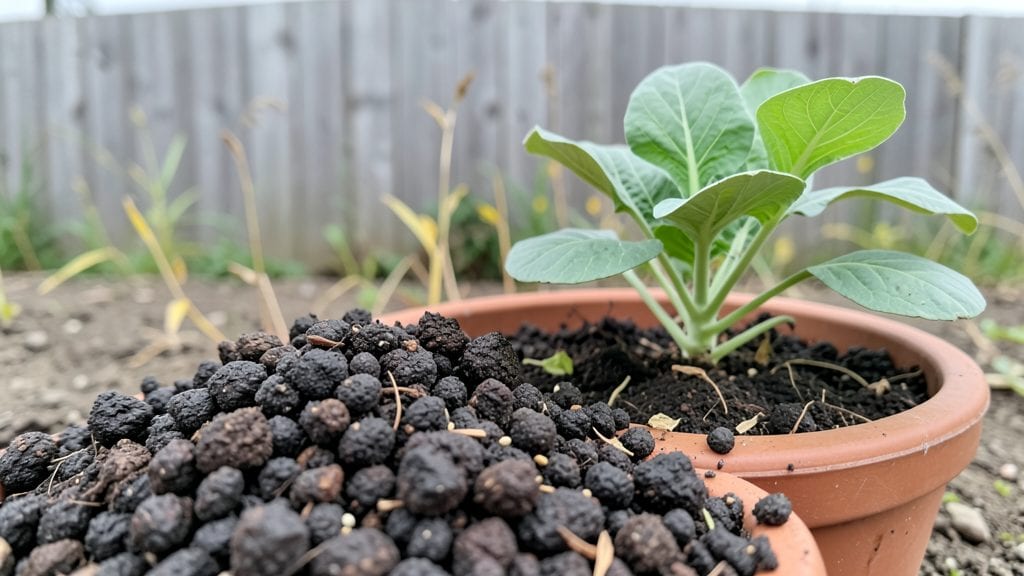
Using alpaca manure for garden provides a gentle yet powerful nutrient boost with a balanced N-P-K ratio of about 1.5-0.5-1.0, perfect for enriching soil without harming plants. Its mild odor and rapid composting make it a standout choice for organic gardening.
Alpaca manure stands out because its lower nitrogen content compared to cow or horse manure reduces the risk of burning plants while still delivering essential nutrients. 🌱 The phosphorus and potassium help strengthen roots and flowers, making it especially valuable for vegetable gardens and flowering plants.
I’ve seen gardeners swear by it for its ability to improve soil structure over time, turning compacted earth into loose, crumbly beds that plants love.
What really sets it apart is how quickly it breaks down—when properly aged, it can be worked into soil within weeks rather than months. This makes it ideal for both spring prepping and fall amendments, giving your plants a steady nutrient supply without the strong ammonia smell of fresh manure.
💡 In This Article
- Alpaca Manure N-P-K Breakdown and Soil Benefits
- When and How to Apply Alpaca Manure in Gardens
Alpaca manure N-p-k breakdown and soil benefits
The balanced N-P-K ratio (1.5-0.5-1.0) of alpaca manure makes it a standout fertilizer because it supports plants at every growth stage without overwhelming them. The moderate nitrogen (N) level (about 1.5%) promotes steady leafy growth without the rapid, sometimes scorching effects of higher-nitrogen manures like cow (2.0-2.5%).
This is especially valuable for leafy greens and herbs, where you want lush foliage without excessive soft stems. 🌿
Phosphorus (0.5%) plays a critical role in root development and flowering, making alpaca manure particularly effective for vegetable gardens and flowering plants like roses or tomatoes.
Unlike cow manure, which often has higher phosphorus levels, alpaca manure delivers just enough to stimulate blooms without causing phosphorus buildup in the soil. The potassium (1.0%) supports overall plant health, improving disease resistance and water regulation—key for drought-prone regions.
Here's how it compares to other manures: Cow manure has a higher nitrogen content (2.0-2.5%) and stronger odor, while horse manure is even hotter (1.5-2.0% N) and can burn plants if not aged.
Rabbit manure, on the other hand, has a more balanced ratio (2.5-1.0-1.5) but is pricier and less widely available. Alpaca manure strikes a perfect middle ground, offering gentle yet effective nutrition. 🐑
The real magic happens in the soil. Alpaca manure contains high levels of organic matter (40-50%) and beneficial microbes that improve soil structure by creating air pockets and water retention. This is why gardeners notice looser, more crumbly soil after regular applications.
The microbial activity also breaks down faster than cow manure, reducing ammonia buildup and making it safer for sensitive plants like blueberries or azaleas.
For container gardens, alpaca manure's balanced profile prevents nutrient runoff, which is common with synthetic fertilizers. A 1-inch layer mixed into potting soil provides slow-release nutrients for months, unlike quick-release fertilizers that wash out after watering.
The gentle nutrient release also means you won't see the sudden growth spurts (and subsequent crashes) that often occur with higher-nitrogen amendments. 🌱
What most gardeners don't realize is how alpaca manure's texture—fine and crumbly when aged—makes it easier to incorporate into soil than coarse cow manure. This physical property reduces compaction while improving drainage, which is why it's often recommended for clay-heavy soils.
The result? Plants develop stronger root systems and better resistance to environmental stresses.