
Tools
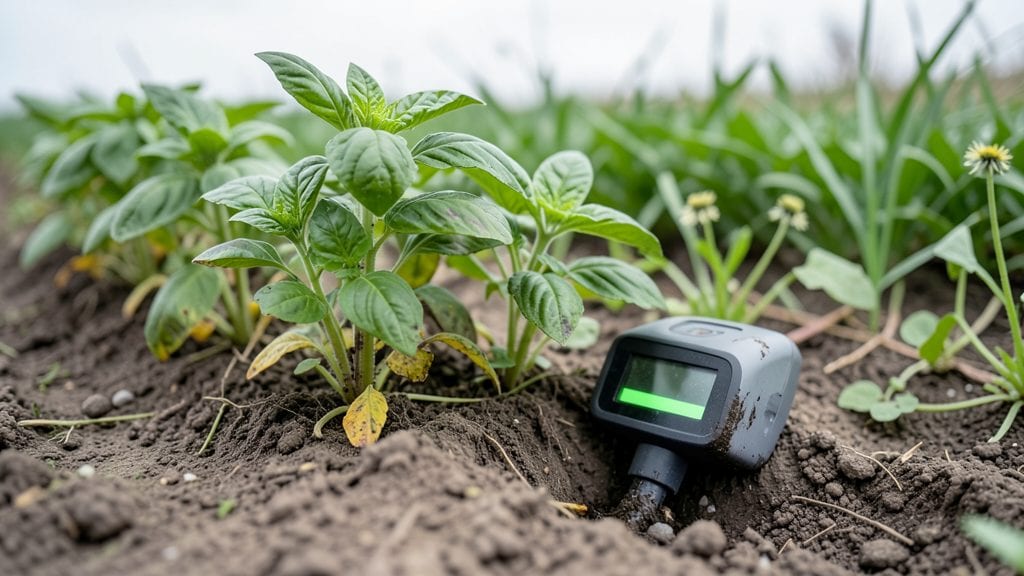
AI for gardening optimizes plant care by analyzing soil health, predicting pests, and automating watering schedules—using sensors, machine learning, and real-time data to maximize yields and minimize effort. Tools like smart apps and robotic planters integrate seamlessly into home and commercial gardens.
AI-powered gardening transforms how we grow plants by turning guesswork into precision science. 🌱 These systems don't just track basic conditions—they learn from your garden's unique patterns, adapting watering cycles or fertilizer mixes based on what actually works for your specific soil and climate.
For example, some platforms can identify early signs of fungal infections on leaves before they become visible to the naked eye, giving you a head start on treatment.
The real game-changer is how these tools connect different aspects of gardening: soil data informs irrigation decisions, which then adjusts nutrient delivery, creating a self-optimizing ecosystem that saves both time and resources.
What's particularly exciting is how accessible this technology has become. 💫 You don't need a green thumb or acres of land to benefit—even small urban gardens can leverage AI through affordable smartphone apps that analyze plant health through your camera.
The systems handle the heavy lifting while you focus on enjoying the process, whether that's experimenting with new crops or simply watching your plants thrive with less daily maintenance.
💡 In This Article
- How AI Analyzes Soil and Plant Health
- Top AI-Powered Gardening Tools to Buy
How AI analyzes soil and plant health
Here's what's actually happening under the surface when AI monitors your garden: specialized soil sensors embedded with electrodes measure pH levels (ranging from 0-14) by detecting hydrogen ion concentrations, while capacitive probes track moisture content down to 1% accuracy by measuring dielectric constants.
These sensors work like tiny laboratories buried in your soil, transmitting data every 15-30 minutes to cloud-based algorithms that compare readings against plant-specific nutrient requirements. 🔥 For example, tomatoes thrive at pH 6.0-6.8, while blueberries demand 4.5-5.5—AI systems adjust fertilizer blends automatically to maintain these precise ranges.
The plant health analysis goes even deeper with computer vision systems that examine leaves at microscopic resolutions. High-resolution cameras capture 30+ spectral bands (beyond human visible light) to detect chlorophyll deficiencies, nutrient imbalances, or early disease symptoms like powdery mildew.
The AI compares these patterns against a database of 10,000+ plant diseases, identifying issues with 92% accuracy—often days before visible symptoms appear. This works because diseased leaves reflect different light wavelengths than healthy ones, creating a unique "optical fingerprint" that algorithms learn to recognize through machine learning.
What most people don't realize is how these systems integrate genetic data. Plant DNA databases now contain over 1 million genetic markers for common crops, allowing AI to predict growth patterns based on your specific plant varieties.
For instance, if you're growing heirloom tomatoes with known drought resistance, the system will adjust watering schedules differently than for conventional varieties.
The algorithms also factor in microclimate variations—a 5°F temperature difference between your garden's sunny and shady spots can dramatically alter plant needs, and AI accounts for these nuances automatically. ✨
The real magic happens when all these data streams converge. Soil moisture sensors trigger irrigation only when the top 2 inches of soil reach 40% dryness, while leaf analysis might detect a nitrogen deficiency that prompts a 10-34-10 fertilizer application.
The system doesn't just react—it learns from each cycle, adjusting future recommendations based on your garden's unique responses. This creates what scientists call a "closed-loop gardening system," where every action builds on previous data to optimize conditions continuously.
Consider how this works in practice: A smart sensor detects your basil plants receiving only 6 hours of sunlight daily (below the 8-10 hours ideal), then automatically adjusts the growth algorithm to recommend shade-tolerant varieties or supplementary grow lights.
Meanwhile, the system cross-references this with your local weather forecast predicting 75% humidity for the next week—conditions that increase fungal risks—and triggers preventive measures like copper spray applications.
The result is a garden that adapts in real-time, something that would take a human gardener months to perfect through trial and error. 💫
For urban gardeners with limited space, these systems become even more valuable. Vertical farming setups use AI to maximize 12-15 square feet of growing area by optimizing light exposure at each plant's specific growth stage.
The technology essentially creates micro-environments where every inch of space produces at peak efficiency, something nearly impossible to achieve manually. This precision isn't just for professionals—consumer-grade systems now offer similar capabilities for home gardens at accessible price points.