
Vegetables
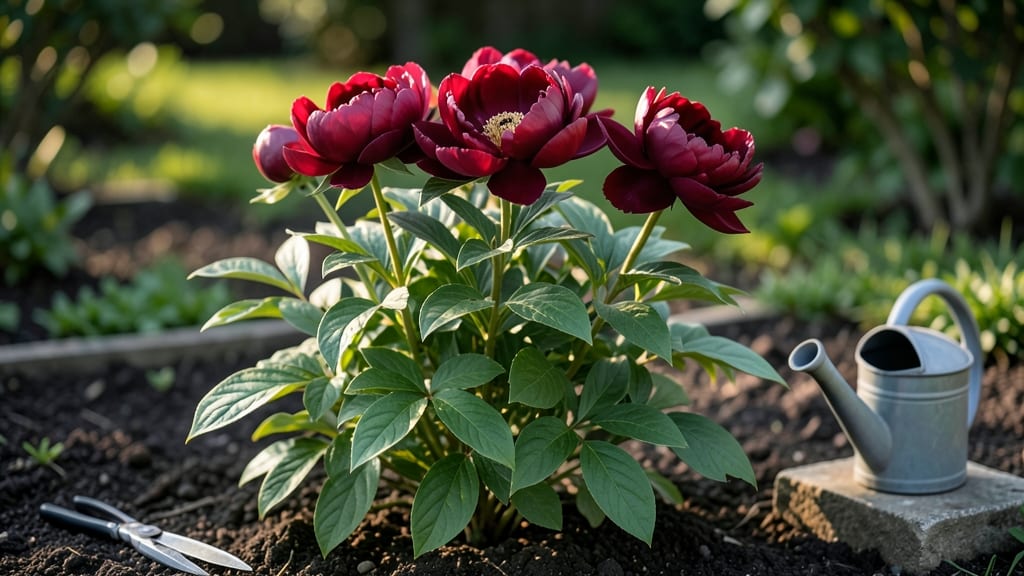
The whimsical cut-flower meadow at Adelman Peony Gardens in Salem, Oregon, feels like stepping into a living postcard—where every path leads to another burst of color. 🌸 I’ve visited in late May when the air hums with bees and the scent of peonies lingers like a secret.
The garden’s magic lies in its layered design: towering herbaceous peonies frame delicate perennials, while climbing roses weave through rustic trellises, creating a dreamy, romantic atmosphere that’s impossible to resist.
What makes Adelman special isn’t just the 200+ peony varieties—it’s how they’re arranged. The garden blends formal borders with wild, meandering pathways, letting visitors stumble upon hidden pockets of blooms.
Gardeners swear by their companion planting too: lavender repels pests, salvia attracts pollinators, and ornamental grasses soften the drama of peony foliage. Even the soil prep is a lesson—rich, well-draining loam amended with compost ensures those iconic blooms return year after year.
You’ll leave with ideas for your own peony haven: how to space plants for maximum impact, which varieties thrive in Pacific Northwest climates, and how to extend the season with late-blooming cultivars.
The garden’s cut-flower focus also teaches pruning techniques that keep stems strong for bouquets—no floppy blooms here. Whether you’re planning a small backyard retreat or a grand landscape feature, Adelman’s principles translate beautifully.
Pro tip: Visit in June for peak bloom, but even the late-summer foliage has its own quiet charm. For those inspired to recreate the look, start with ‘Sarah Bernhardt’ for drama or ‘Bowl of Beauty’ for reliability—both perform like champs in Oregon’s mild summers.
The real takeaway? A peony garden isn’t just pretty; it’s a living, breathing work of art that rewards patience with jaw-dropping results.
📚 In This Guide
- What you need
- Instructions
- Tips and common mistakes
- Wrapping up and next steps
What you need
- ● Peony varieties (10–20 plants): Choose disease-resistant hybrids like 'Sarah Bernhardt', 'Bowl of Beauty', or 'Kansas' (herbaceous types).
- ● Perennial flowers (30–50 plants): Mix in Echinacea, Rudbeckia, Black-Eyed Susans, and Daylilies for texture and color.
- ● Bulbs (50–100 bulbs): Add Daffodils, Tulips, and Alliums for early-season blooms.
- ● Cutting garden staples (20–30 plants): Include Zinnias, Cosmos, Snapdragons, and Dahlias for long stems.
- ● Garden tools: Trowel, pruners, loppers, and a long-handled weeder (for deep meadow beds).
- ● Soil prep: Garden fork, broadfork, and compost (2–3 cubic yards for a 10’x10’ area).
- ● Watering: Drip irrigation kit or soaker hoses (50–100 ft. length).
- ○ Optional: Flower-arranging shears, bucket with water, and bucket sharpener for stems.
- ● Full-sun location (6+ hours daily) with well-draining soil (amend with compost if clay-heavy).
- ● Space for a 10’x10’+ bed (or scale up/down as needed).
- ● Patience! Peonies take 2–3 years to establish and bloom fully.
How to design a whimsical cut-flower meadow inspired by Adelman peony gardens
Transform your landscape into a romantic, low-maintenance meadow bursting with peonies and companions.
🌱 Step 1: Select and Prepare the Planting Site
Choose a location with 6+ hours of morning sun and well-draining soil—peonies despise soggy roots. Adelman’s gardens thrive in Salem’s mild climate, so aim for a spot with 60-70°F daytime temperatures in spring. Test your soil pH: peonies prefer 6.5-7.0.
Clear the area of weeds and grass, then loosen the top 12 inches of soil with a broadfork. Mix in 2-3 inches of compost to improve fertility without overwhelming the soil. Here’s the thing—peonies hate being disturbed once planted, so take your time getting the soil right now.
🌿 Step 2: Plant Peonies and Companion Flowers
Dig holes 2 feet apart (the same spacing Adelman uses for their signature drifts) and place each peony root 2 inches deep, with the "eyes" (buds) facing upward. The roots should fan out naturally—don’t force them. For a whimsical meadow effect, interplant with delphiniums, irises, and alliums every 18-24 inches.
Backfill with native soil, then water deeply to settle everything. Mulch with 2 inches of shredded bark to suppress weeds and retain moisture. This is the moment that matters: peonies establish slowly, so proper planting now means decades of blooms.
☀️ Step 3: Maintain for Season-Long Blooms
Water newly planted peonies once weekly during the first growing season, keeping the soil evenly moist but not soggy. After establishment, they’re drought-tolerant once rooted. Deadhead spent blooms immediately to encourage more flowers, but leave the foliage until it yellows naturally—this feeds next year’s buds.
Fertilize lightly in early spring with 10-10-10 granular fertilizer (½ cup per plant), but skip phosphorus-heavy mixes—peonies grow best with minimal feeding. Real talk: over-fertilizing leads to lush foliage but fewer blooms, and you don’t want that.
✂️ Step 4: Harvest and Preserve Cut Flowers
Cut stems early morning when buds are just opening, using clean pruners. Strip lower leaves and place immediately in lukewarm water to extend vase life. Adelman’s gardens use peonies as focal points, so arrange them with tall delphiniums and airy grasses for height contrast.
For long-lasting arrangements, recut stems every 2-3 days and change the water. Avoid overcrowding vases—peony blooms wilt faster when packed too tightly. You’ll love how these cuttings last 7-10 days in a cool, shaded spot.
Tips & tricks for perfect whimsical cut-flower meadows
Creating a peony meadow inspired by Adelman's iconic gardens takes patience and precision—here's how to elevate every step from soil prep to harvest.
Soil Preparation Secret: The 12-inch soil loosening in Step 1 isn't just about aeration—it's about creating a root-friendly environment. Use a broadfork to break up compacted layers without turning the soil, which preserves its natural structure. For clay-heavy soils common in Salem's region, mix in sand (1 part sand to 3 parts soil) to improve drainage while maintaining that peony-loving loam texture. This single adjustment prevents the soggy roots that kill peonies faster than anything else.
Planting Depth Precision: Those 2-inch deep plantings in Step 2 are non-negotiable—they prevent crown rot while allowing roots to establish properly. Here's what nobody tells you: the "eyes" should be just below soil level, not buried. Use a level to check depth across multiple plants—even a ½-inch variation can affect blooming. For the companion flowers, plant irises slightly deeper (3 inches) than peonies, as they prefer more root coverage.
Companion Planting Strategy: The 18-24 inch spacing for delphiniums and alliums isn't arbitrary—it creates that signature Adelman drift effect where peonies become the star while supporting plants fill the gaps. Pro tip: stagger your companion plants in odd-numbered groupings (3 delphiniums, 5 alliums) to create visual rhythm. This arrangement also prevents competition for nutrients during the critical first growing season.
Watering Wisdom: That weekly watering in Step 3 should be done at soil level, not overhead. Use a rain gauge or tuna can to measure exactly 1 inch of water per week—peonies hate wet foliage. For the first two weeks after planting, water twice weekly to help roots establish. And here's the game-changer: water in the early morning (5-7 AM) to prevent fungal issues from evening moisture, just like Adelman's team does in their commercial gardens.
Pro Tips for Adelman Peony Gardens Salem Oregon
- Creating a peony meadow inspired by Adelman's iconic gardens takes patience and precision—here's how to elevate every step from soil prep to harvest.
- Soil Preparation Secret: The 12-inch soil loosening in Step 1 isn't just about aeration—it's about creating a root-friendly environment.
- Planting Depth Precision: Those 2-inch deep plantings in Step 2 are non-negotiable—they prevent crown rot while allowing roots to establish properly.
Frequently asked questions
about Adelman Peony Gardens in Salem, Oregon—your go-to spot for whimsical cut-flower meadows—are answered here! Whether you're planning a visit or dreaming of adding peonies to your own landscape, these insights will help you bloom with confidence.What’s the best time to visit Adelman Peony Gardens for peak blooms?
The gardens typically peak in late May to early June, when peonies burst into vibrant colors. For the most dramatic experience, plan your visit during this window. Early mornings are ideal—cooler temps preserve the blooms’ freshness, and you’ll avoid crowds. Pro tip: Check their social media for real-time updates on bloom status!
Can I buy peony plants or cut flowers directly from Adelman Peony Gardens?
Yes! Adelman Peony Gardens offers bare-root peony plants and stunning cut-flower bouquets for purchase. Plants are sold seasonally (usually fall/winter), while fresh-cut blooms are available during peak bloom season. Call ahead to confirm availability—some years, demand outpaces stock!
How do I prepare my own garden for planting peonies like those at Adelman?
Peonies thrive in well-draining soil with full sun (6+ hours daily). Amend heavy clay with compost, and avoid over-fertilizing (they prefer lean soil). Plant bare-root peonies in fall or early spring, ensuring the "eyes" (buds) sit just below soil level. Mulch lightly to retain moisture. This guide from Oregon State University offers deeper tips!
What should I do if my peonies aren’t blooming well after planting?
Common culprits include too much shade, overcrowding, or improper planting depth. Ensure plants get sunlight, thin out congested foliage, and check the "eyes" aren’t buried too deep. Deadhead spent blooms to encourage reblooming varieties. If issues persist, test your soil’s pH (ideal: 6.5–7.0) and adjust with lime or sulfur as needed.
Are there alternatives to peonies for a similar cut-flower meadow look?
For a low-maintenance, pollinator-friendly meadow, mix in delphiniums, hollyhocks, or Russian sage for height and texture. Hardy perennials like black-eyed Susans or coneflowers add color with less fuss. Visit local nurseries like Salem’s Terra Nova Nursery for Oregon-grown options that thrive in your climate!
Wrapping up and next steps
Adelman Peony Gardens in Salem, Oregon, isn’t just a dreamy escape—it’s a real-life inspiration for creating your own vibrant cut-flower meadow. From selecting the perfect peonies to blending them with complementary plants, the key is to embrace seasonal joy and let your garden tell its own story. 🌸✨
Ready to bring this whimsical charm to your landscape? Start small—plant a few peonies this spring and watch your garden transform into a cut-flower oasis. Visit Adelman Peony Gardens for tips, or sketch your own meadow design today!