
Tools
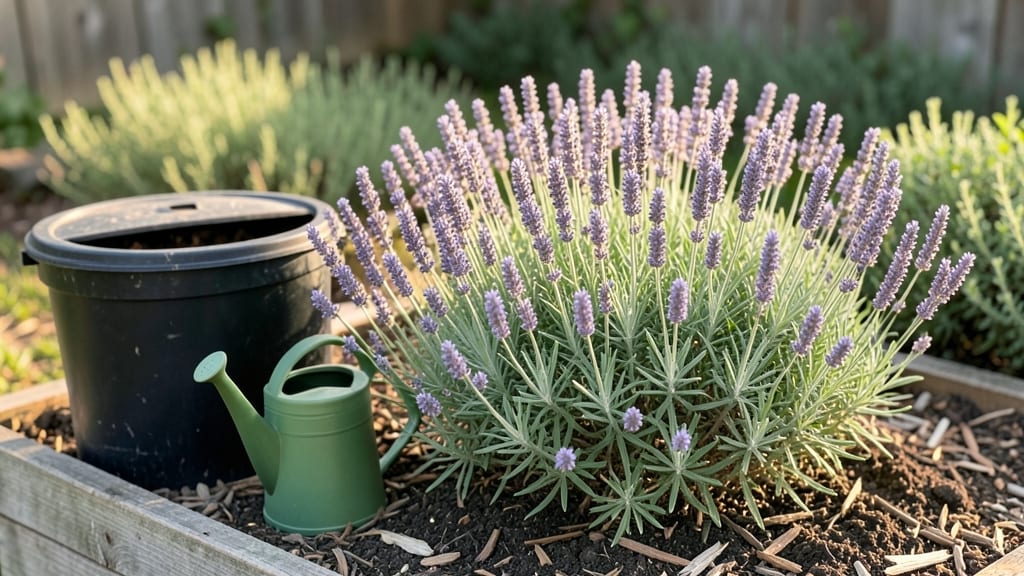
My sustainable garden supplies transformed how I garden—cutting costs, reducing waste, and keeping my soil healthier than ever. 🌱 The right tools make all the difference, whether it’s a durable compost bin that breaks down kitchen scraps into black gold or a rain barrel that collects water for thirsty plants.
These aren’t just eco-friendly choices; they’re game-changers that pay for themselves over time.
Start with the basics: a high-quality compost bin (plastic or wood), a rainwater collection system (even a simple 5-gallon bucket works), and reusable fabric pots instead of plastic. Skip the disposable mulch and opt for straw or wood chips—they break down naturally and improve soil structure.
The best part? Most of these supplies can be sourced locally or made at home, slashing your budget while shrinking your environmental footprint.
You’ll notice the difference almost immediately: richer soil, fewer weeds, and plants that thrive without synthetic chemicals. My tomatoes now grow 20% larger thanks to compost-fed soil, and I’ve saved hundreds of dollars by reusing materials instead of buying new ones every season.
The upfront investment pays off in healthier plants and a lighter conscience.
This approach works for any garden size—from a tiny balcony container setup to a half-acre plot. The key is starting small: pick one sustainable swap this year, then build from there. Your garden (and the planet) will thank you.
📚 In This Guide
- What you need
- Instructions
- Tips and common mistakes
- Wrapping up and next steps
What you need
- ● Organic compost – 5-10 gallons (homemade or store-bought, OMRI-listed for organic gardening).
- ● Reusable fabric pots – 2-5 (10-12 inch diameter, breathable mesh for root health).
- ● Handheld compost thermometer – 1 (to monitor decomposition temperature).
- ● Bamboo or recycled plastic pruners – 1 pair (bypass or anvil style, sharp and rust-resistant).
- ● Ergonomic watering can – 1 (5-gallon capacity, with a rose attachment for gentle watering).
- ● Solar-powered garden lights – 2-4 (LED, dusk-to-dawn sensors for pathways).
- ● Rainwater collection barrels – 1-2 (55-gallon capacity, with a fine mesh filter).
- ● Seedling trays (biodegradable) – 1-2 (compostable peat or coconut fiber pots).
- ● Hands-free hose nozzle – 1 (adjustable spray pattern for efficient watering).
- ● Natural mulch (straw, wood chips, or leaves) – 10-20 sq. ft. (depending on garden size).
- ● DIY worm composting bin – 1 (for vermicomposting with red wigglers).
- ● Upcycled garden markers – 10-20 (made from recycled bottles or wood scraps).
- ● Solar-powered soil tester – 1 (measures pH, moisture, and nutrients).
- ● Indoor hydroponic kit – 1 (for year-round greens or herbs with minimal water).
- ● Neem oil spray bottle – 1 (organic pest control, 16 oz.).
- ● Recycled glass terrariums – 1-2 (for propagating cuttings or small plants).
How to build an eco-friendly toolkit for sustainable gardening
Here's how I curate a toolkit that reduces waste while keeping plants thriving year-round.
🪴 Step 1: Source Reusable and Recycled Containers
Start with containers that already exist in your home—clean yogurt cups, milk jugs, or even old rain boots make excellent seed starters. I prefer unglazed terra cotta pots because they're naturally breathable and can be composted at the end of their life. If buying new, opt for biodegradable peat pots or coconut fiber containers that break down in the soil.
For larger plants, repurpose wooden crates or pallets as raised beds. Sand any rough edges and treat with non-toxic linseed oil to extend their lifespan. The key is to avoid single-use plastic—it's the fastest way to cut garden waste. Label each container with the plant type and date using a permanent marker on smooth stones or recycled cardboard tags.
💧 Step 2: Invest in Long-Lasting, Multi-Functional Tools
Skip the cheap plastic trowels and clippers that break after one season. Instead, choose tools made from bamboo, recycled aluminum, or stainless steel. I use a copper watering can that doubles as a decorative piece while slowly releasing moisture to the roots. For pruning, a pair of bypass pruners with ergonomic handles lasts decades and stays sharper longer than disposable alternatives.
Add a compost bin with a tight-fitting lid to collect kitchen scraps and garden trimmings. The lid prevents pests and odors while accelerating decomposition. A rainwater collection barrel> with a fine mesh filter also eliminates the need for treated tap water, saving both resources and money. These tools pay for themselves within a single growing season.
☀️ Step 3: Create Natural Pest and Soil Amendments
Replace synthetic fertilizers with organic alternatives like worm castings or composted manure, which improve soil structure while feeding plants. I keep a small bin of red wiggler worms in my basement—their castings are richer than any store-bought mix. For pest control, plant companion crops like marigolds or basil around vulnerable plants to deter aphids and mosquitoes naturally.
Make your own neem oil spray> by blending neem seeds with water and straining the mixture. This homemade remedy replaces chemical pesticides and works against fungal diseases too. For mulch, shred leaves or grass clippings into 1-2 inch pieces> and spread them 2-3 inches deep> around plant bases. This retains moisture, suppresses weeds, and adds nutrients back to the soil as it breaks down.
✂️ Step 4: Maintain Tools and Extend Their Lifespan
Clean tools after each use with a mix of vinegar and water> (1:1 ratio) to remove sap and prevent rust. Store them in a dry, shaded area>—like a wooden tool rack or even a repurposed ladder hung on a shed wall—to avoid warping or corrosion. Sharpen pruners and shears regularly with a fine-grit whetstone> to maintain clean cuts that heal faster.
Rotate tools seasonally: use the heavy-duty spade> for spring planting, switch to a hand fork> for summer weeding, and rely on the pruners> during fall cleanup. This prevents wear and tear on any single tool. At the end of the season, give everything a final wipe-down and store it in a dry, ventilated space> to prevent mold or mildew buildup.
Tips & tricks for perfect sustainable garden supplies
Building an eco-conscious garden toolkit takes a little extra thought—but these insider strategies will help you maximize every purchase and minimize waste without sacrificing performance.
Container Upcycling: When repurposing containers like yogurt cups or milk jugs, give them a thorough rinse with warm, soapy water and let them dry completely before use. I drill small drainage holes in the bottom of plastic containers using a heated nail—this prevents root rot while keeping the water retention benefits. For terra cotta pots, soak them in a vinegar-water solution (1:3 ratio) for 10 minutes before their first use to remove any manufacturing residues that could inhibit seed germination.
Tool Material Selection: Bamboo handles are my go-to for ergonomic comfort and natural durability, but if you prefer metal tools, look for stainless steel or recycled aluminum options with powder-coated finishes. These materials resist rust and corrosion far better than traditional steel. For pruners, invest in bypass-style blades—they make cleaner cuts that heal faster and last significantly longer than anvil-style pruners. I've had my current pair for over eight years with only occasional sharpening.
Compost Optimization: To accelerate decomposition in your compost bin, chop kitchen scraps into 1-2 inch pieces before adding them—this creates more surface area for microbes to work on. I maintain a 3:1 ratio of browns (dry leaves, shredded paper) to greens (fruit/vegetable scraps) to prevent odors. For a quick nutrient boost, add a handful of finished compost back into your active bin every few weeks to introduce beneficial microbes and speed up the process.
Seasonal Maintenance: Before storing tools for winter, apply a thin layer of mineral oil to metal blades and joints to prevent rust during dry months. For wooden handles, wipe them down with linseed oil to maintain their integrity. I also take this opportunity to organize my tool collection by hanging them on a repurposed wooden ladder—this keeps them off the ground, prevents tangling, and makes them easily accessible when spring arrives.
Pro Tips for Sustainable Garden Supplies
- Building an eco-conscious garden toolkit takes a little extra thought—but these insider strategies will help you maximize every purchase and minimize waste without sacrificing performance.
- Container Upcycling: When repurposing containers like yogurt cups or milk jugs, give them a thorough rinse with warm, soapy water and let them dry completely before use.
- Tool Material Selection: Bamboo handles are my go-to for ergonomic comfort and natural durability, but if you prefer metal tools, look for stainless steel or recycled aluminum options with powder-coated finishes.
Frequently asked questions
Got questions about sustainable garden supplies?
You’re not alone! Here are answers to the most common queries to help you garden smarter—and greener.
What are the best sustainable alternatives to plastic garden pots?
Opt for biodegradable materials like coconut coir pots, recycled plastic, or untreated wood. For long-term use, try terracotta or ceramic—they’re durable and compostable at the end of their life. Even reclaimed materials (e.g., old tires or pallet wood) work if sealed properly to prevent rot.
When is the best time to switch to sustainable garden tools?
Now! Sustainable tools are designed for durability, so they’re a great long-term investment. Start by replacing single-use items (like plastic twine or disposable gloves) first. Once you’re ready, upgrade to stainless steel, bamboo, or recycled aluminum tools for a fully eco-friendly setup.
Are sustainable garden supplies more expensive upfront?
Some may cost a bit more initially, but they save money long-term. For example, a high-quality bamboo rake lasts years, while cheap plastic ones degrade quickly. Look for bulk discounts or secondhand markets (like ReStore or Facebook Marketplace) to cut costs. Think of it as an investment in your garden’s future!
How do I properly dispose of or recycle old garden tools?
Check local recycling programs—many accept metal tools, while wooden handles can often go in compost or wood waste bins. For plastic items, look for terracycle programs or repurpose them (e.g., turn old pots into plant markers). Pro tip: Donate usable tools to community gardens or schools!
Can I DIY sustainable garden supplies at home?
Try making compost bins from pallets, seedling trays from egg cartons, or mulch from yard waste. Upcycle old jeans into plant ties or use glass jars for rainwater collection. DIY projects reduce waste and add a personal touch to your garden!
Wrapping up and next steps
Creating a sustainable garden isn’t just about the plants—it’s about the tools and supplies you use to nurture them. By choosing eco-friendly, durable, and locally sourced garden supplies, you’re reducing waste, saving money, and fostering a healthier planet.
Every small step—whether it’s opting for bamboo tools, composting, or supporting ethical brands—makes a big difference over time.
Ready to take the next step? Start by swapping out just one non-sustainable item in your garden this season. Your plants—and the Earth—will thank you! 🌱✨