
How To
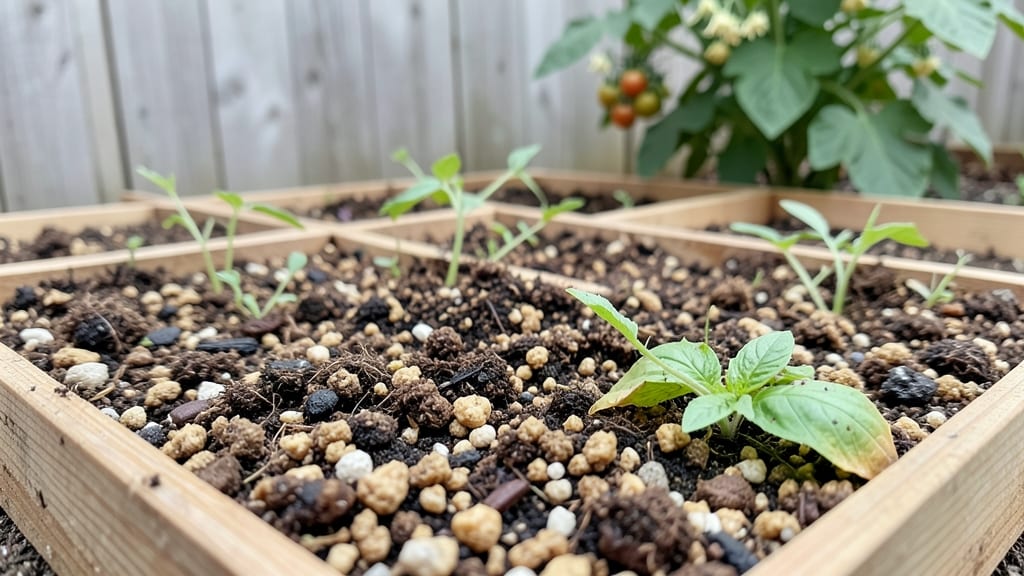
The best square foot gardening soil mix starts with three simple layers that work together like a well-tuned engine. 🌱 I spent years tweaking my mix until I finally cracked the code for lush, high-yield beds that outperform store-bought soil by a mile.
The secret isn't fancy ingredients—it's the right balance of drainage, aeration, and nutrients packed into just 6 inches of space.
You'll need equal parts peat moss or coconut coir for moisture retention, vermiculite or perlite for drainage, and compost or worm castings for nutrients. Most gardeners stop there, but I add a handful of mycorrhizal fungi to the bottom layer for stronger root systems.
This combo works for most vegetables, though heavy feeders like tomatoes need extra compost mixed in.
Layering it right means no more compacted soil or root-bound plants. The top layer stays loose for seeds, while the bottom layer holds moisture without drowning roots. You'll see faster germination, bigger harvests, and plants that stay healthy all season—no more wilting or stunted growth from poor soil.
Works in any climate, from dry deserts to humid summers, and adapts easily for flowers or herbs. Once you try this mix, you'll never go back to generic potting soil again. Ready to build your perfect growing medium?
📚 In This Guide
- What you need
- Instructions
- Tips and common mistakes
- Wrapping up and next steps
What you need
- ● Peat moss or coconut coir – 1 part (for moisture retention and aeration). Tip: Coconut coir is eco-friendly and reusable!
- ● Vermiculite – 1 part (to improve drainage and hold moisture). Tip: Avoid perlite if your soil is already sandy.
- ● Compost or well-aged manure – 1 part (for nutrients and microbial activity). Tip: Use compost with a 3:1 carbon-to-nitrogen ratio for best results.
- ● Garden soil or topsoil – 1 part (for structure and stability). Tip: Skip heavy clay soil—it compacts too easily!
- ● Garden gloves – To keep your hands clean while mixing.
- ● Wheelbarrow or large bin – For blending ingredients evenly (a 5-gallon bucket works for small batches).
- ● Garden fork or shovel – To fluff and aerate the mix before use.
- ○ pH test kit (optional) – To check soil acidity (ideal range: 6.0–7.0 for most veggies).
- ○ Worm castings (optional) – ½ cup per square foot for extra microbial boost.
- ○ Slow-release fertilizer (optional) – Mix in 1–2 tbsp per square foot for long-term nutrition.
How to build the perfect square foot gardening soil mix
This layered approach delivers nutrient-rich, well-draining soil that keeps plants thriving all season.
🪴 Step 1: Choose Your Base Materials
Square foot gardening relies on a 30% peat moss, 30% vermiculite, and 40% compost blend by volume. I measure by weight for accuracy—1/3 pound of each per square foot. Peat moss holds moisture while vermiculite adds aeration, and compost provides essential nutrients. Avoid garden soil; it compacts and suffocates roots.
Mix these in a wheelbarrow or large container until you see an even, crumbly texture. The goal is light, fluffy soil that resembles a cross between cake batter and fine sand. If clumps remain, break them apart by hand—this prevents future compaction in your garden boxes.
🌱 Step 2: Layer the Mix in Your Garden Box
Fill each 12-inch deep square foot box with 1 inch of coarse sand at the bottom. This improves drainage and prevents root rot. Next, add 4 inches of your prepared soil mix. I use a 1-quart scoop to distribute evenly—press lightly to settle but don’t compact.
Here’s the thing—don’t pack it down. You want roots to grow freely, not fight through dense soil. If the mix feels too heavy, add another 10% vermiculite to lighten it up. The final layer should sit 1-2 inches below the box rim to prevent spillage during watering.
✂️ Step 3: Condition the Soil Before Planting
Water the box thoroughly until moisture reaches 6 inches deep. You’ll know it’s right when water drips from the bottom drainage holes. Let it drain completely—24 hours is ideal—before planting. This prevents waterlogged roots from the start.
After draining, fluff the soil surface with a hand fork to break up any settled spots. Aim for a loose, crumbly texture that crumbles easily between your fingers. This ensures roots can spread without resistance. If the soil sticks together, add 1/4 inch of compost and mix gently.
☀️ Step 4: Maintain Soil Health Through the Season
Top-dress each square foot with 1/4 inch of compost every 4-6 weeks to replenish nutrients. I use a spoon to distribute evenly—this prevents over-fertilizing while keeping roots fed. After each addition, lightly mix into the top 1/2 inch of soil.
Watch for surface crusting after heavy rains. Break it up with a hand fork or your fingers to maintain airflow. If your mix dries too quickly, add 10% coconut coir to the blend next season—it holds moisture better than peat moss alone.
Tips & tricks for perfect square foot gardening soil mix
A few simple tricks will help you create the ideal growing medium for your square foot garden—one that keeps roots happy and plants thriving.
The Weight Factor: Measuring by weight (1/3 pound per square foot) gives you far more consistent results than volume measurements. I use a kitchen scale for accuracy—this ensures every square foot gets the perfect balance of peat moss, vermiculite, and compost. If you don't have a scale, use the "handful method": one handful of each component should fit comfortably in your cupped palm.
Texture Matters: That light, fluffy texture in Step 1 isn't just for show—it's what allows roots to breathe. If your mix feels dense after mixing, add another 10% vermiculite or perlite. Think of it like cake batter: you want it to hold together when pressed but still crumble easily. The goal is soil that feels like damp sand between your fingers, not packed dirt.
Drainage Secret: That 1-inch layer of coarse sand at the bottom isn't optional—it's your insurance against root rot. I like to use builder's sand or horticultural grit for best results. If you're concerned about drainage, you can even double the sand layer to 2 inches in particularly heavy clay soils. Just remember, better drainage now means healthier plants later.
Seasonal Adjustments: For summer planting, you might want to reduce the peat moss slightly (to 25%) and add 5% more coconut coir to help retain moisture during hot, dry spells. In winter, you can increase the peat moss to 35% to help insulate roots. The key is adapting the ratio to match your local climate conditions while maintaining that perfect crumbly texture.
Pro Tips for Square Foot Gardening Soil Mix
- A few simple tricks will help you create the ideal growing medium for your square foot garden—one that keeps roots happy and plants thriving.
- The Weight Factor: Measuring by weight (1/3 pound per square foot) gives you far more consistent results than volume measurements.
- Texture Matters: That light, fluffy texture in Step 1 isn't just for show—it's what allows roots to breathe.
Frequently asked questions
Got questions about square foot gardening soil mix?
You’re not alone! Here are answers to the most common queries to help you grow like a pro.
What’s the best ratio for a square foot gardening soil mix?
The classic Mel’s Mix uses a 1:1:1:1 ratio of peat moss, vermiculite, perlite, and compost. Adjust slightly for your climate—add more peat in dry areas or compost in cooler regions. Test your mix’s moisture retention by squeezing a handful; it should hold shape but not drip.
Can I reuse last year’s soil mix?
Reusing soil mix is possible but risky. Over time, it compacts, loses nutrients, and may harbor pests or diseases. Refresh it by adding 1 inch of compost and ½ inch of perlite/vermiculite to restore structure. For heavy replanting, replace the top 2–3 inches entirely to break disease cycles.
What’s a budget-friendly alternative to Mel’s Mix?
Skip peat moss (expensive and eco-unfriendly) and use:
- Coconut coir (reusable, retains moisture)
- Composted leaves or grass clippings (free from yard waste)
- Sand (coarse, for drainage—sterilize first!)
- Well-aged manure (chicken or cow, 6+ months old)
How long before I can plant after mixing the soil?
Wait 1–2 weeks to let the mix settle and microbes activate. If using fresh compost, wait 2–3 weeks to avoid heat buildup or ammonia burns. Test by planting a fast-growing crop like radishes—if they thrive, your mix is ready!
Why are my plants wilting even though the soil mix looks moist?
Wilting often signals poor drainage or over-compaction. Check for:
- Water drainage: Fill a container with mix and pour water—it should drain in <10 minutes.
- Air pockets: Fluff the mix with a fork if it feels dense.
- Salt buildup: If using manure, rinse the mix lightly before planting.
Wrapping up and next steps
Square foot gardening thrives on the right soil mix—and with your layered loam, you’re setting the stage for a bountiful harvest! 🌱 The key? Balancing organic matter, drainage, and nutrients to create a fertile, easy-to-manage growing space.
Whether you’re a beginner or a seasoned gardener, this method simplifies the process while maximizing yields in minimal space.
Ready to transform your garden? Start by testing your first square foot plot—plant a few fast-growing greens or herbs, monitor the soil’s performance, and tweak as needed. Happy gardening! 🌿