
Propagation
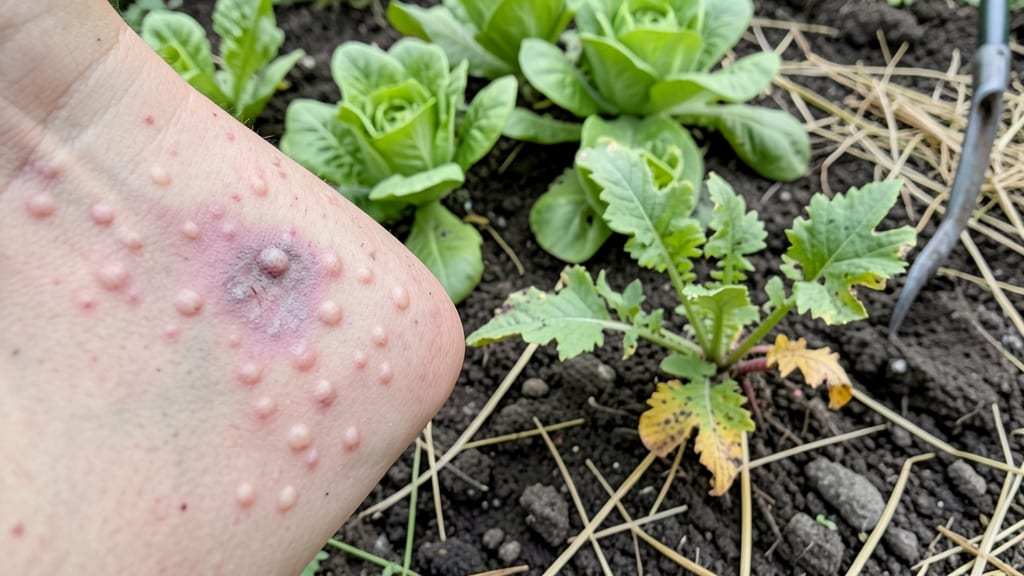
When yard work leaves you with itchy skin rashes, fast relief is all you want. 🌿 I’ve learned the hard way—scratching only makes it worse, and those over-the-counter creams don’t always cut it. The key is acting quickly with what you already have at home.
Most rashes come from poison ivy, chemical burns, or even plant sap—like from mowing near stinging nettles. The first step is identifying the trigger: is it a red, bumpy rash or a burning sensation?
Cold compresses and baking soda paste work wonders for immediate soothing, while apple cider vinegar helps neutralize plant oils.
You’ll see relief within minutes with the right mix of treatments. My go-to combo is a cool shower followed by a dab of aloe vera gel, then a light dusting of calamine lotion. The itch fades fast, and the skin starts healing right away.
To keep future flare-ups at bay, always wear long sleeves, gloves, and closed-toe shoes. A quick rinse with rubbing alcohol after handling chemicals or touching unknown plants can prevent rashes before they start. Prevention is easier than treating once the itch takes over.
What Triggers Outdoor Skin Reactions
Spending time outdoors is refreshing, but yard work can sometimes leave your skin feeling anything but happy—especially when a mysterious rash appears. The good news? Most of these reactions stem from predictable triggers.
Understanding the science behind them helps you avoid flare-ups and treat symptoms faster. Here’s what’s really causing your skin to rebel after a day of gardening, mowing, or landscaping.
Not all plants are created equal—some pack a punch with natural irritants that disrupt your skin’s protective barrier. The most common culprits include:
- Poison ivy, oak, and sumac – These contain urushiol, a resinous oil that triggers an allergic reaction in 80% of people. Even trace amounts can cause blisters or itchy welts within 12–48 hours of exposure.
- Stinging nettles – Their tiny hairs inject formic acid, causing immediate burning and redness (like a mild chemical burn).
- Citrus trees and cedar – Their sap can act as a contact dermatitis trigger, especially if your skin is already dry or damaged.
Why it happens: Your immune system overreacts to these compounds, releasing histamine and inflammatory cytokines. The result? Swelling, redness, and that classic "I touched something I shouldn’t have" itch.
Yard work doesn’t just stir up dirt—it also invites unwelcome critters that leave behind itchy souvenirs. The most notorious offenders:
- Chiggers – These microscopic mites don’t bite; they embed their mouthparts into your skin to feed on cells. Their saliva causes intense itching and small, red bumps that appear hours later.
- Mosquitoes and ticks – Their saliva contains anti-coagulants and proteins that trigger an allergic reaction. Some people develop large, raised welts (hives) or even cellulitis if scratched repeatedly.
- Fire ants – Their venom contains alkaloids that cause painful, pus-filled blisters within minutes of a sting.
Why it happens: Your body treats these foreign proteins as invaders, flooding the area with white blood cells to "attack" the irritant. The more you scratch, the worse the inflammation becomes—a classic itch-scratch cycle.
If your rash appears redder, hotter, or more painful after yard work, the sun might be the hidden villain. Here’s how it plays a role:
- UV rays weaken skin barriers – Sun exposure dries out your skin, making it easier for irritants (like plant sap or sweat) to penetrate deeper layers.
- Heat increases sweat and friction – Perspiration traps irritants against your skin, while tools (like shears or rakes) cause mechanical irritation, leading to contact dermatitis.
- Photosensitivity reactions – Some plants (e.g., limes, celery) or chemicals (like pesticides) can make your skin more reactive to sunlight, causing rashes in sun-exposed areas.
Why it happens: Sunlight accelerates inflammation by increasing blood flow to the skin. If you’re already allergic to something, UV exposure can amplify the reaction—think of it like turning up the volume on your body’s immune response.
From fertilizers to lawnmowers, yard work tools and products can turn your skin into a science experiment gone wrong. Common culprits:
| Substance | How It Irritates | Reaction Time |
|---|---|---|
| Pesticides/herbicides (e.g., glyphosate, 2,4-D) | Disrupt skin’s lipid barrier, causing dryness, cracking, and allergic contact dermatitis. | 4–72 hours |
| Gasoline or oil (from leaf blowers, mowers) | Contains hydrocarbons that dissolve natural oils, leading to chemical burns or folliculitis (infected hair follicles). | Immediate to 24 hours |
| Metal tools (rakes, shears) | Rust or nickel/cobalt in cheap tools can cause metal allergy dermatitis, especially if your skin is sweaty. | 12–48 hours |
Why it happens: These substances disrupt your skin’s pH balance (ideal range: 4.5–5.5) or trigger oxidative stress, which damages cells. Your skin’s first line of defense? A red, itchy, or blistered response.
Pro Tip: 💡 If you’re prone to rashes, wear gloves (even for "light" tasks like weeding) and rinse tools with soap and water before handling them. A little prevention goes a long way!
Quick Fixes for Outdoor Skin Irritation
Achy, itchy skin after yard work can feel like a real bummer—but the good news is, most rashes respond fast to simple, at-home fixes.
Below, we’ve matched common causes to their best solutions, so you can stop the discomfort and get back to enjoying your garden (or at least your couch 🛋️).
Fix: Wash, Soothe, and Block
- Wash Immediately 🚿
- Scrub the affected area with cold water and mild soap (like Dawn or Castile) for at least 10–15 minutes to remove urushiol oil (the rash-triggering chemical).
- Pro tip: Use a loofah or washcloth—scrubbing helps lift the oil before it binds to your skin.
- Cool Compress ❄️
- Apply a wet, cold washcloth (or a bag of frozen peas wrapped in a towel) for 10–15 minutes to reduce swelling and itching.
- Repeat 3–4 times daily or as needed.
- Over-the-Counter (OTC) Relief
- Hydrocortisone cream (1%) 💊: Reduces inflammation—apply a thin layer 2–3 times daily.
- Calamine lotion 🧴: Dries out blisters and cools the skin (great for overnight relief).
- Oral antihistamines (like Benadryl or Zyrtec) 💊: Temporarily ease itching (take as directed).
- Prevent Spread ⚠️
- Wash clothes, tools, and pets with hot water and detergent (urushiol lingers for years on surfaces!).
- Avoid scratching—trim nails short and wear gloves if reapplying creams.
Fix: Calm, Cleanse, and Protect
- Clean the Area 🧼
- Gently wash with soap and water, then pat dry. Avoid rubbing, which can worsen irritation.
- Reduce Swelling ❄️
- Apply a cold pack (or ice wrapped in a cloth) for 10 minutes to numb the sting.
- For bee/wasp stings, remove the stinger scraping sideways (don’t squeeze—the venom sac can burst!).
- Soothing Remedies
- Baking soda paste (mix with water) 🧴: Apply for 15 minutes, then rinse. Reduces itching fast.
- Honey or aloe vera 🍯: Natural anti-inflammatory—dab a small amount on the bite.
- Hydrocortisone cream (1%): Use 2–3 times daily if redness persists.
- Avoid Scratching 🚫
- Keep nails trimmed and clean to prevent infection.
- Wear long sleeves/pants when working outdoors to deter bugs.
Fix: Hydrate, Heal, and Shield
- Cool Down Fast ❄️
- Take a lukewarm shower (hot water worsens sunburn!) and apply aloe vera gel directly from the plant or a tube.
- For heat rash (tiny red bumps from sweat), keep the area dry and cool with a fan or damp cloth.
- Moisturize Gently 🧴
- After cooling, apply fragrance-free moisturizer (like CeraVe or Vanicream) to lock in hydration.
- For sunburn, avoid petroleum jelly—it can trap heat.
- Pain Relief 💊
- Ibuprofen or acetaminophen can ease discomfort (follow dosage instructions).
- Oatmeal bath (colloidal oatmeal works best) 🛁: Soak for 15–20 minutes to soothe skin.
- Prevent Future Burns
- Reapply sunscreen (SPF 30+) every 2 hours when outdoors.
- Wear a wide-brimmed hat and lightweight, breathable clothing to reduce sweat buildup.
Fix: Flush, Neutralize, and Protect
- Rinse Thoroughly 🚰
- Hold the affected area under running water for 15+ minutes to dilute chemicals.
- Use mild soap (like baby soap) to remove residue.
- Neutralize Acids/Bases
- For vinegar or acidic sprays, rinse with baking soda water (1 tsp baking soda per cup of water).
- For alkaline chemicals (like lime), rinse with white vinegar-diluted water (1:3 ratio).
- Soothing Barrier
- Apply zinc oxide cream (like Desitin) or petroleum jelly to protect the skin while it heals.
- Avoid alcohol-based products—they can sting open skin.
- Safety First Next Time
- Wear gloves, long sleeves, and goggles when handling chemicals.
- Read labels—some products need immediate rinsing if they come in contact with skin.
- Gear Up: Wear long sleeves, pants, and closed-toe shoes when working outdoors.
- Shield Your Skin: Use sunscreen (SPF 30+), insect repellent (DEET or picaridin), and rash guards if prone to reactions.
- Clean Up: Shower within 30 minutes of finishing yard work to wash away oils, sweat, and debris.
- Patch Test: Try new gardening gloves or tools on a small skin area first to check for allergies.
When to See a Doctor ⚠️ Seek medical help if you experience:
- Rash spreading rapidly or with large blisters.
- Fever, chills, or pus (signs of infection).
- Difficulty breathing (rare but possible with severe allergic reactions).
Most yard-work rashes fade within a few days with these fixes—so don’t let a little irritation keep you from enjoying your green space! 🌱
Frequently asked questions
How quickly do outdoor rashes usually appear after yard work?
Most rashes show up within 12–48 hours, especially from plants like poison ivy. Insect bites (chiggers, fire ants) often cause reactions in hours, while chemical burns appear immediately. Sunburn or heat rash may take 4–6 hours to develop.
Can I use the same treatment for all types of yard-work rashes?
No—treatments vary by cause. For plant rashes (poison ivy), wash immediately with soap and water. Insect bites need cold compresses and antihistamines. Chemical burns require thorough rinsing and pH-neutralizing solutions. Always match the remedy to the trigger.
What’s the fastest way to stop the itch from scratching?
Try a cool compress or baking soda paste (1 tsp baking soda + water) for 10–15 minutes. Over-the-counter hydrocortisone cream (1%) or calamine lotion also work fast. Avoid scratching—it worsens inflammation and can lead to infections.
Are some people more prone to yard-work rashes than others?
Yes! People with eczema, sensitive skin, or allergies are at higher risk. Frequent exposure to irritants (like pesticides or plants) can also make your skin more reactive over time. If you’re prone to rashes, wear protective gear and shower immediately after yard work.
How can I prevent rashes before they start?
Wear long sleeves, gloves, and closed-toe shoes when working outdoors. Rinse tools and hands with soap and water after handling chemicals or plants. Use sunscreen (SPF 30+) and insect repellent. Shower within 30 minutes of finishing yard work to remove oils and sweat.