
Companion Plants
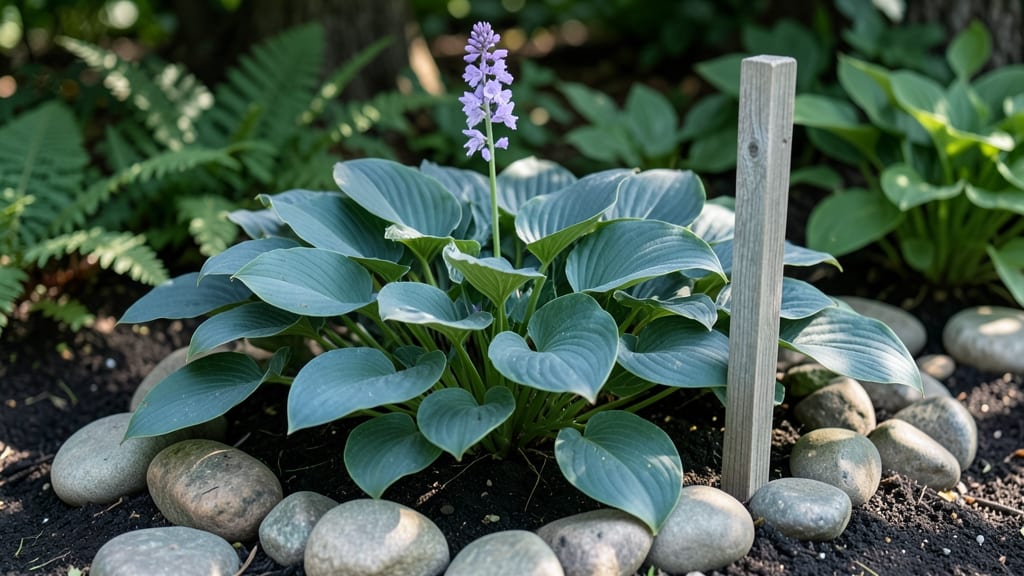
Shady rock garden plants transform dark corners into lush, textured escapes that feel like secret woodland retreats. 🌿 I’ve designed several of these gardens where ferns unfurl like delicate lace and hellebores bloom before spring even arrives—plants that thrive where others give up.
The key isn’t forcing sunlight-lovers to adapt; it’s choosing plants that want the shade, then arranging them so their textures and colors play off the rocks like a living tapestry.
Start with moisture-retentive soil mixed with compost and a 50-50 gravel-to-soil ratio for drainage—rock gardens need both water and air to reach roots.
Native options like foamflower (Tiarella) and solitary plum (Prunus americana) handle humidity better than many imports, but don’t overlook Japanese painted ferns or coral bells (Heuchera) for their jewel-toned foliage.
These plants layer beautifully: tall grasses or astilbes at the back, mid-height hellebores or lungwort, and low-spreading creeping phlox or ajuga at the front.
What you’ll end up with is a garden that stays vibrant from late winter to first frost, with textures that shift from velvety fern fronds to glossy hosta leaves. The rocks—whether smooth river stones or jagged slate—act as natural edging while keeping weeds at bay.
Best of all, this design works in any shady spot, from a north-facing yard to a patio corner under a tree.
For extra staying power, pair moisture-loving plants with drought-tolerant ones like sword ferns or sweet woodruff—they balance the ecosystem. And if you’re worried about seasonal gaps, wintergreen (Gaultheria) or inkberry holly add glossy evergreen interest when most gardens go dormant.
The result? A garden that feels alive year-round, with minimal fuss.
📚 In This Guide
- What you need
- Instructions
- Tips and common mistakes
- Wrapping up and next steps
What you need
- ● Rocks & Stones: A mix of medium to large-sized stones (3–12 inches in diameter). Use a variety of textures—smooth river rocks, slate, or granite—for visual interest. Quantity: ~10–20 rocks per 4’x4’ area (adjust based on desired density).
- ● Shade-Tolerant Plants: Hostas (e.g., Hosta 'Blue Angel' or Hosta 'Francee')
- ● Ferns (e.g., Matteuccia struthiopteris or Dryopteris erythrosora)
- ● Heucheras (e.g., Heuchera 'Plum Pudding')
- ● Astilbes (e.g., Astilbe 'Deutschland')
- ● Lungwort (Pulmonaria spp.)
- ● Soil Amendments: Peat moss or coconut coir (for moisture retention)
- ● Compost (2–3 inches mixed into topsoil)
- ● Perlite or vermiculite (for drainage)
- ● Mulch: Shredded bark or wood chips (2–3 inches deep) to suppress weeds and retain moisture.
- ● Garden trowel or hand shovel
- ● Garden fork (for aerating soil)
- ● Wheelbarrow or bucket (for mixing soil)
- ● Measuring tape & string (for layout planning)
- ● Pruners (for trimming plants)
- ○ Optional: Landscape fabric (to prevent weed growth between rocks)
- ● A shaded or partially shaded garden spot (dappled sunlight or <6 hours of direct sun daily).
- ● Well-draining soil (amend heavy clay with organic matter if needed).
- ● Access to water (for consistent moisture, especially during dry spells).
How to design a thriving shady rock garden
Here's how to create a lush, low-maintenance retreat that thrives in shade while adding natural privacy and texture.
🪴 Step 1: Select the Right Rocks and Soil Foundation
Choose flat, layered rocks like slate or sandstone that allow water drainage while creating pockets for roots. I prefer 2-3 foot diameter stones arranged in a staggered pattern—this mimics natural landscapes and prevents erosion. Start by laying the largest rocks first, then fill the gaps with 3-4 inches of amended potting mix blended with 20% perlite for aeration.
This mix ensures roots won't suffocate in heavy shade. Press the soil gently around the base of each rock to eliminate air pockets, but avoid compacting it. The goal is a loose, crumbly texture that holds moisture without becoming waterlogged. Here's the thing—shady gardens need excellent drainage, or fungal diseases will take over within weeks.
🌱 Step 2: Choose Shade-Tolerant Plants for Texture and Height
For year-round interest, I plant heuchera (for colorful foliage), hostas (for lush leaves), and ferns (for delicate fronds). Start with 3-4 plants per square yard to avoid overcrowding. Dig holes twice as wide as the root ball but only as deep—planting too deep suffocates roots in shade.
Mulch immediately with 2-3 inches of shredded bark mulch to retain moisture and suppress weeds. The mulch should look like a soft blanket, not a thick layer that smothers the soil. Here's what I do: I rake it gently into the gaps between rocks, ensuring it doesn't touch plant stems. This keeps roots cool in summer and insulated in winter.
☀️ Step 3: Layer Light and Moisture for Year-Round Health
Even in shade, plants need dappled light or filtered sunlight for at least 4-6 hours daily. If your garden is deep shade, supplement with a 1000-lumen LED grow light on a timer for 6 hours/day during winter months. Position lights 18-24 inches above plants to mimic natural light angles.
Water deeply twice weekly until top 2 inches of soil feel moist. In deep shade, soil stays damp longer, so I check moisture by lifting a rock and feeling the soil beneath—it should be cool and slightly damp, not soggy. Overwatering in shade is the fastest way to invite root rot. I always water in the morning so foliage dries before evening, reducing fungal risks.
✂️ Step 4: Prune and Maintain for Natural Elegance
Prune ferns and hostas in early spring by removing dead fronds and dividing congested clumps. Cut back heuchera stems to 3-4 inches to encourage bushier growth. I use clean, sharp pruners to avoid tearing leaves, which attracts pests. This is the moment that matters: prune when new growth begins, not in late summer when plants are storing energy for winter.
Add slow-release fertilizer in early spring and again in midsummer to support lush foliage. I sprinkle ½ cup per plant around the base, then water deeply to activate it. Avoid high-nitrogen fertilizers—they burn tender shade plants. Here's the secret: a balanced 10-10-10 formula keeps growth steady without overstimulating foliage.
🌿 Step 5: Extend the Season with Winter Care
In late fall, add a 3-inch layer of evergreen boughs or pine straw over mulch to protect roots from freezing. This insulates the soil while allowing moisture to penetrate. I avoid heavy mulch in winter—it can suffocate plants if temperatures fluctuate. Instead, I use lightweight materials that let air circulate around the base.
Monitor for slugs and snails, which thrive in damp, shady conditions. Place copper tape around plant bases or set out beer traps to deter them. Here's what I do: I check traps weekly and refresh the beer—slugs are drawn to it, but they won't harm your plants if you catch them early. A few slugs won't ruin your garden, but a full-on infestation can strip leaves overnight.
Tips & tricks for perfect shady rock garden design
A few strategic choices will transform your shady garden into a thriving, low-maintenance sanctuary. Here's what I've learned after years of trial and error.
Rock Selection Matters: The 2-3 foot diameter stones I recommend aren't arbitrary—they create the perfect balance between visual impact and functional drainage. Larger rocks (3+ feet) can overwhelm smaller spaces, while smaller ones (under 2 feet) won't provide enough soil pockets for root systems. Look for flat, layered rocks like slate or sandstone—they mimic natural landscapes beautifully while preventing erosion. Pro tip: Arrange them in a staggered pattern to create natural pathways for water flow and visual interest.
Soil Science in Shade: That 3-4 inches of amended potting mix with 20% perlite isn't just a suggestion—it's a game-changer for shady gardens. The perlite creates essential air pockets that prevent suffocation in low-light conditions. Here's what nobody tells you: press the soil gently around rocks to eliminate air pockets, but don't compact it. Think "loose crumbly texture" like cake batter—not dense like concrete. This balance holds moisture without becoming waterlogged, which is critical in shade where fungal diseases lurk.
Light Layering Strategy: The 4-6 hours of dappled light your plants need might seem counterintuitive in shade, but here's the breakthrough: position your garden where morning sun hits for 2-3 hours, then afternoon shade takes over. For deep shade areas, that 1000-lumen LED grow light on a 6-hour timer during winter becomes your secret weapon. Position it 18-24 inches above plants to mimic natural light angles—too close and you'll burn foliage, too far and it won't penetrate.
Pruning Precision: Timing is everything when pruning heuchera stems to 3-4 inches—do it in early spring when new growth begins, not late summer when plants are storing energy. I've made this mistake twice and watched my plants struggle to recover. The key is to prune just as you see fresh green emerging from the base. This encourages bushier growth while avoiding the shock of mid-season cuts that can invite pests through torn leaves.
Pro Tips for Shady Rock Garden Plants
- A few strategic choices will transform your shady garden into a thriving, low-maintenance sanctuary.
- Rock Selection Matters: The 2-3 foot diameter stones I recommend aren't arbitrary—they create the perfect balance between visual impact and functional drainage.
- Soil Science in Shade: That 3-4 inches of amended potting mix with 20% perlite isn't just a suggestion—it's a game-changer for shady gardens.
Frequently asked questions
Got questions about creating a shady rock garden? You’re not alone!
Here are some of the most common queries—and their straightforward answers—to help you design a thriving, low-light oasis with ease.
What are the best low-maintenance plants for a shady rock garden?
Opt for hostas, heucheras, ferns, and astilbes—they thrive in shade, handle rocky soil well, and require minimal fuss. For texture, add sedge or Japanese painted ferns. Pro tip: Choose slow-growing varieties to reduce pruning needs!
When is the best time to plant in a shady rock garden?
Plant in early spring or fall when soil is workable but not frozen. Avoid summer heat, which stresses roots. If adding rocks later, plant first, let roots establish for 4–6 weeks, then layer rocks to avoid disturbing the soil.
Can I use mulch in a rock garden? If so, what type?
Yes! Use organic mulch like shredded bark or pine needles (2–3 inches deep) to retain moisture and suppress weeds. Avoid thick layers near plant bases to prevent rot. For a cleaner look, opt for gravel or decomposed granite—just ensure it’s coarse enough to allow water drainage.
How do I keep plants hydrated under rocks?
Rocks can trap heat and dry out soil quickly. Water deeply 2–3 times per week (more in extreme heat) and use drip irrigation or soaker hoses to deliver moisture directly to roots. Group thirsty plants together and add hydromulch to slow evaporation.
What pests should I watch for in a shady rock garden?
Keep an eye out for slugs, aphids, and scale insects, which love shaded, moist environments. Use copper tape barriers for slugs, introduce ladybugs for aphids, or spray plants with neem oil as a natural deterrent. Regularly inspect foliage to catch issues early!
Wrapping up and next steps
Transforming your shady garden into a thriving, private retreat is easier than you think! With the right shady rock garden plants—like Hosta, Ferns, and Heuchera—you can create a lush, low-maintenance escape that blooms year-round.
These plants not only thrive in low light but also add texture, color, and natural elegance to your outdoor space.
Ready to take the next step? Start by sketching your garden layout, selecting a mix of foliage and flowers, and gathering your materials. Then, dive in with confidence—your dream shady sanctuary is just a few plants away! 🌿✨