
Pests and Diseases
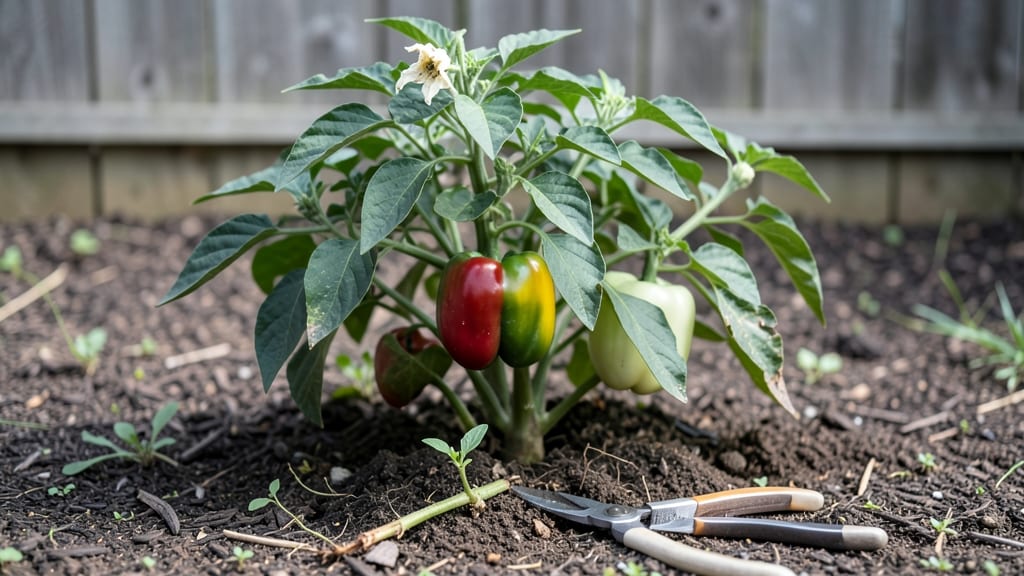
My pepper gardening tips start with one simple truth: the right soil mix makes all the difference between a puny plant and a bush loaded with fruit.
I’ve grown everything from sweet bell peppers to fiery jalapeños, and the secret isn’t fancy equipment—it’s matching the soil to what peppers actually crave: loamy, well-draining, and rich in organic matter. Skip the heavy clay or sandy soil, and you’ll spend the season chasing problems instead of harvesting.
Here’s where most gardeners trip up: sunlight and watering. Peppers demand at least 6-8 hours of direct sun daily, and they hate soggy roots—water only when the top inch of soil feels dry.
I learned this the hard way when my first batch of jalapeños turned bitter from inconsistent moisture. Once you nail these basics, you’ll see sturdy plants that resist common pests like aphids and spider mites without a single spray.
By midsummer, you’ll be snipping peppers straight off the vine, and the flavor? Nothing compares to homegrown. The key is consistency—fertilize lightly every 2-3 weeks with a balanced feed, and prune only to remove dead leaves.
Even my black thumb can’t kill these when the conditions are right. Let’s get those plants thriving.
This works for containers or in-ground beds, in warm climates or cool-season starts. The same principles apply whether you’re growing a single plant or a full raised bed. Start with the right soil, and the rest falls into place—zero pest battles included.
📚 In This Guide
- What you need
- Instructions
- Tips and common mistakes
- Wrapping up and next steps
What you need
- ● Pepper Seeds or Seedlings: Choose disease-resistant varieties (e.g., Jalapeño, Bell, or Cayenne). Quantity: 3–6 plants per person (or 1 plant per 12-inch pot).
- ● Growing Medium: Well-draining potting mix (avoid garden soil—it’s too dense). For in-ground planting: Amend soil with compost (1 part compost to 3 parts soil).
- ○ Containers (if applicable): 5–10 gallon pots with drainage holes (minimum 12 inches deep). Fabric grow bags (optional for better aeration).
- ● Fertilizer: Balanced organic fertilizer (e.g., 5-5-5 or 10-10-10 NPK ratio). Slow-release granules or liquid feed (e.g., fish emulsion or worm castings).
- ● Pest Prevention Tools: Neem oil or insecticidal soap (for early pest control). Row covers or floating mesh (to block pests like aphids and spider mites). Yellow sticky traps (for monitoring whiteflies).
- ○ Support Structures (optional but helpful): Cages or stakes (for taller varieties like Habanero or Bell peppers).
- ● Sunlight: At least 6–8 hours of direct sun daily (peppers are sun-worshippers!).
- ● Temperature: Ideal range: 70–85°F (21–29°C). Avoid frost (peppers are sensitive!).
- ● Watering Setup: Drip irrigation or a watering can with a spout (to avoid wetting leaves). Mulch (straw or shredded leaves) to retain moisture.
- ● Patience: Peppers take 70–120 days to mature—plan ahead! 🌡️
Step-by-step instructions for growing peppers year-round
Here’s how to grow peppers that thrive indoors or out, pest-free and productive.
Choose the Right Varieties and Containers
Start with 4 pepper plants—mix heat levels for variety. Bell peppers need 6-8 hours of sun, while hot peppers like jalapeños and cayennes tolerate 4-6 hours. Use 5-gallon containers for each plant since peppers have deep roots. Containers this size hold moisture well while preventing root crowding, which leads to blossom-end rot.
Fill the bottom 2 inches of each container with gravel or coarse sand for drainage. This keeps roots from sitting in soggy soil, a common issue with peppers. If you’re growing in the ground, amend the soil with 2 inches of compost before planting. Peppers hate soggy feet—always ensure excess water drains away within 30 minutes of watering.
Plant Seeds or Transplants at the Right Time
If starting from seed, sow 8-10 weeks before the last frost indoors under grow lights. Keep soil at 75-85°F for germination, which takes 7-14 days. Once seedlings have 2-3 true leaves, transplant them into their 5-gallon containers or garden beds. If buying transplants, choose healthy, stocky plants with no yellowing leaves—these are less stressed and recover faster.
Plant seeds ¼ inch deep or set transplants so the top of the root ball sits just below soil level. Press soil gently around the roots to eliminate air pockets. Water deeply right after planting to settle the soil and encourage root contact. Avoid overhead watering at this stage—it spreads disease and washes away soil around tender roots.
Provide Consistent Light and Heat
Peppers need full sun (6+ hours daily) to produce fruit. If growing indoors, place plants within 12 inches of a south-facing window or use LED grow lights for 14-16 hours per day. Without enough light, peppers grow leggy and produce few, if any, peppers. You’ll know your setup is right when plants stay compact with dark green leaves and no visible stretching.
Maintain daytime temperatures between 70-85°F and nighttime temps above 60°F. Peppers are heat-lovers—they drop flowers and fruit if stressed by cold. If your home runs cooler, use a seedling heat mat under containers or place them on a heat mat during germination. Once established, peppers tolerate normal room temperatures as long as they get enough light.
Water and Fertilize for Maximum Production
Water peppers deeply once a week, aiming for 1-1.5 gallons per plant. Let the top 2 inches of soil dry out between waterings—this prevents blossom-end rot, a common pepper problem. Water at the base of the plant in the morning to reduce fungal risks. Yellowing leaves usually mean overwatering, while crispy edges signal underwatering. Adjust your schedule based on what you see.
Feed plants every 2-3 weeks with a balanced fertilizer (10-10-10) diluted to half strength. Once peppers start forming, switch to a low-nitrogen, high-phosphorus fertilizer (5-10-10) to boost fruiting. Too much nitrogen makes plants leafy but pepper-less. You’ll notice more flowers and fruit within 2-3 weeks of switching fertilizers—this is your cue that the plant is happy and productive.
Prune and Support for Bigger Harvests
Pinch off the first few flowers that appear to encourage stronger root and stem growth. This might seem counterintuitive, but it pays off with bigger, healthier peppers later. Once plants are established, prune side shoots that grow in the leaf axils—these drain energy from fruit production. Leave 3-4 main stems per plant for airflow and sunlight penetration.
Use cages or stakes to support tall varieties like bell peppers. Tie stems loosely with soft plant ties every 6-8 inches up the stem. This prevents breakage from wind or heavy fruit. Harvest peppers when they reach full color and firmness—this encourages more production. Regular harvesting keeps plants focused on making new fruit instead of maturing old ones.
Tips & tricks for perfect pepper gardening
These are the secrets I’ve learned after growing peppers for years—tricks that’ll help you avoid common pitfalls and get the most out of your plants.
Variety Matters: When you’re selecting your 4 pepper plants, choose a mix of heat levels and maturity times. For example, pair a slow-maturing bell pepper with a faster cayenne—this way, you’ll have peppers to harvest at different times throughout the season. I’ve found that hotter varieties like jalapeños and cayennes actually tolerate slightly less sun (4-6 hours) than bell peppers, so position them accordingly if your space has partial shade.
Drainage is Non-Negotiable: The 2 inches of gravel or sand you add to your 5-gallon containers isn’t just about drainage—it’s about preventing that dreaded blossom-end rot. After filling your containers, give them a good watering and check that excess water drains completely within 30 minutes. If it pools at the bottom, your drainage layer isn’t thick enough. Remember, peppers hate soggy feet, and this simple step can save your entire harvest.
Lighting is Everything: For indoor growers, those 14-16 hours of LED grow light exposure are critical. I’ve seen peppers grow leggy and produce almost no fruit when they don’t get enough light. The key is keeping your plants compact with dark green leaves—if they start stretching toward the light, you need to either move them closer or add more lights. A simple trick is to rotate your plants every few days so they grow evenly rather than leaning toward one side.
Fertilizer Timing: The switch from balanced fertilizer (10-10-10) to low-nitrogen, high-phosphorus (5-10-10) when peppers start forming is a game-changer. Too much nitrogen makes plants focus on leaves instead of fruit, and you’ll end up with beautiful foliage but no peppers. Watch for the first flowers to appear—this is your cue to make the switch. Within 2-3 weeks, you’ll notice a surge in flower production, which means more peppers on the way.
Pro Tips for Pepper Gardening Tips
- These are the secrets I’ve learned after growing peppers for years—tricks that’ll help you avoid common pitfalls and get the most out of your plants.
- Variety Matters: When you’re selecting your 4 pepper plants, choose a mix of heat levels and maturity times.
- Drainage is Non-Negotiable: The 2 inches of gravel or sand you add to your 5-gallon containers isn’t just about drainage—it’s about preventing that dreaded blossom-end rot.
Frequently asked questions
Got questions about growing peppers like a pro? Here are some of the most common ones—plus expert answers to keep your plants thriving without a single pest in sight!
When is the best time to plant peppers?
Peppers thrive in warm soil—wait until after the last frost (when nighttime temps stay above 50°F/10°C). Start seeds indoors 8-10 weeks before transplanting for a head start. For year-round success, use row covers or grow in containers to extend seasons.
How do I prevent pepper pests naturally?
Skip the chemicals! Try these zero-pest tactics:
- Neem oil spray (deters aphids, spider mites)
- Companion planting with basil, marigolds, or onions
- Row covers for early-season protection
- Handpick pests (like hornworms) early morning
Why are my peppers turning bitter or small?
Bitter peppers often mean too much heat or not enough water. Small peppers? Likely overcrowding or poor pollination. Fix it by:
- Watering deeply 1-2x/week (keep soil moist but not soggy)
- Thinning plants to 18-24" apart
- Gently shake plants or use a small brush to aid pollination
Can I grow peppers in containers? What’s the best setup?
Use 5-gallon+ pots with drainage holes and a lightweight potting mix. Choose compact varieties like ‘Shishito’ or ‘Jalapeño M’. Place containers in full sun (6+ hours/day) and fertilize every 2-3 weeks with a balanced feed.
What’s the fastest way to harvest peppers for maximum yield?
Harvest when peppers are firm and vibrant (before they fully ripen for sweeter flavor). Use clean pruners or scissors to snip stems—never pull to avoid damaging plants. Pick regularly (every 2-3 days in peak season) to encourage more production! Pro tip: Leave 1-2 peppers per plant to mature fully for seeds.
Wrapping up and next steps
Growing peppers without pest battles is totally doable—just pick the right varieties, keep your soil healthy, and stay proactive with natural defenses. Whether you’re a beginner or a seasoned gardener, these tips will help you enjoy a bountiful, pest-free harvest all year round!
Ready to level up your garden game? 🌱 Start small—plant a few peppers today and watch your confidence (and harvest!) grow. Happy gardening!