
Tools
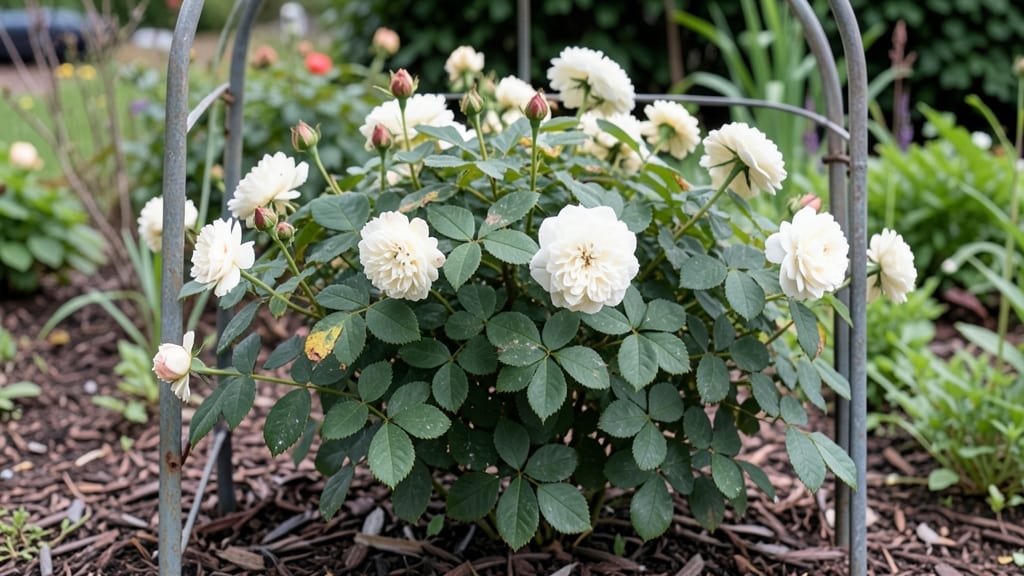
A modern rose garden isn’t just about thorny bushes—it’s about clean lines, bold colors, and fragrance that lingers even when the blooms fade. I designed mine with sleek concrete borders and a mix of old-world roses with contemporary varieties like 'Knock Out' and 'Jazz' that thrive with minimal fuss.
The secret lies in layering: low-growing perennials like lavender and ornamental grasses soften the edges, while climbing roses add vertical drama without overwhelming the space.
This approach works in urban backyards, small patios, or even container setups. You’ll use materials like gravel, weathered wood, or minimalist metal trellises to keep the look polished while making maintenance easier—no more wrestling with tangled vines.
The color palette? Think jewel tones—deep burgundy 'Black Baccara' roses against silver foliage, or sunny 'Iceberg' blooms paired with blue-gray salvia for a crisp contrast.
By the end of the season, you’ll have a garden that’s as functional as it is stunning: roses that bloom from spring to frost, fragrant enough to draw you outside, and structured enough to feel intentional.
The best part? It stays lush with just 30 minutes of weekly care, no matter how busy life gets.
Whether you’re starting fresh or refreshing an outdated rose bed, this method adapts to any space. Let’s make your roses the star of the show—without sacrificing modern simplicity. Here’s how to begin.
📚 In This Guide
- What you need
- Instructions
- Tips and common mistakes
- Wrapping up and next steps
What you need
- ● Rose bushes: Choose 3–5 varieties (e.g., hybrid teas, floribundas, climbers) for layered height and seasonal blooms. Pro tip: Opt for disease-resistant types like 'Knock Out' or 'David Austin' English roses for low maintenance. 🌹
- ● Soil amendments: Compost (2–3 bags, 40 lbs each)
- ● Organic matter (peat moss or coconut coir, 1–2 cubic yards)
- ● Balanced fertilizer (10-10-10, 5 lbs)
- ● Mulch: Shredded bark or wood chips (2–3 cubic feet, 3–4 inches deep)
- ● Support structures: Trellises (2–3, 6–8 ft tall)
- ● Arbors or obelisks (1–2, for climbing roses)
- ● Drainage: Gravel or perlite (1–2 bags, 40 lbs each, for containers or poor soil)
- ● Garden trowel (for planting)
- ● Pruning shears (bypass type, sharp and sanitized)
- ● Garden gloves (heavy-duty, rose-thorn resistant)
- ● Wheelbarrow (for hauling soil/amendments)
- ● Measuring tape (25 ft)
- ● Watering can or hose with adjustable nozzle
- ○ Optional: Soil pH tester, kneeling pad, and a spray bottle (for misting seedlings).
- ● Location: Full sun (6+ hours/day) and well-draining soil. Test soil pH (ideal: 6.0–6.5).
- ● Spacing: Plan 2–3 ft between bushes; 3–5 ft for climbers.
- ● Water source: Drip irrigation or soaker hoses (recommended for consistency).
- ● Season timing: Plant bare-root roses in early spring/fall; potted roses anytime (except winter).
Instructions for crafting a contemporary rose garden with year-round interest
A modern rose garden thrives on intentional layering and seasonal transitions—here’s how to design it with purpose.
Design the Structural Framework for Seasonal Flow
Begin by sketching your garden’s layout with four distinct layers: foundation plants, mid-height shrubs, climbing roses, and ground covers. I always start with the foundation layer—plant 4-6 dwarf or shrub roses spaced 3-4 feet apart along borders or pathways. These provide the backbone of your design and ensure year-round structure even when other plants fade.
Next, add mid-height shrubs like hydrangeas or lavender (3-4 plants total) to fill gaps and create visual depth. Place these 18-24 inches behind your roses to avoid competition for light. The key here is to select varieties with staggered bloom times—early spring roses next to late summer climbers—so color never disappears. I like to map bloom cycles on graph paper first to visualize transitions.
Introduce Climbing Roses and Vertical Elements
For a modern look, integrate 3-4 climbing roses along trellises, arches, or pergolas to draw the eye upward. Choose varieties like ‘New Dawn’ or ‘Blaze’ that thrive in partial shade, as they’ll anchor your garden’s vertical drama. Install supports before planting—I use powder-coated metal arches for durability—and position them where they’ll frame pathways or seating areas.
Here’s the trick: prune climbing roses aggressively in late winter to encourage strong, upward growth during the season. Remove any crossing branches immediately—they’ll compete for nutrients and weaken your plant’s structure. You’ll know you’re on the right track when new canes emerge thicker than a pencil by early summer.
Layer Ground Covers and Fillers for Texture
Spread 2-3 gallons of mulch (like cypress or pine bark) over the soil surface to suppress weeds and retain moisture. Then, plant low-growing perennials such as ajuga, creeping thyme, or heuchera in 6-inch diameters around the base of roses. These fillers prevent soil erosion, reduce watering needs, and add contrasting foliage colors—deep purple, silver, or chartreuse—that complement rose blooms.
I always plant fillers in odd-numbered clusters (3 or 5 plants) to create natural groupings. Avoid planting them directly against rose canes; instead, leave 12-18 inches of clearance so air circulates and disease risk drops. Watch for leaf yellowing in fillers—this signals overwatering, and roses hate soggy roots.
Incorporate Modern Hardscaping for Contrast
Break up the softness of roses with clean-lined hardscaping: gravel paths, concrete planters, or steel trellises. I recommend crushed granite pathways (2-3 inches deep) between rose beds to reflect light and keep the space feeling open. Add 2-3 contemporary-style planters (like rectangular cedar boxes) to display seasonal blooms or herbs that repel pests naturally.
The goal is to create visual balance—so if your roses are lush and rounded, pair them with sharp-edged structures. For example, a sleek black metal trellis behind a climbing rose adds geometric contrast while keeping the garden feeling intentional. Test your layout by stepping back every 10 feet—you should see harmony between soft and hard elements.
Plan for Year-Round Maintenance and Renewal
Schedule four key maintenance windows: late winter pruning, spring fertilization, summer deadheading, and fall cleanup. I use a slow-release fertilizer (like Osmocote) in early spring to feed roses for 8-10 weeks without risk of overfeeding. Apply it 3 inches away from the base, then water deeply to activate the granules.
Deadhead roses weekly during bloom season to encourage continuous flowering—simply pinch off spent blooms with your fingers or small pruners. For a modern touch, leave a few seed pods on 3-4 plants in late summer to add winter interest. Mulch again in fall with 2 inches of compost to protect roots through cold snaps. You’ll notice healthier canes the following spring—a sign your garden is truly thriving.
Tips & tricks for crafting a contemporary rose garden
Creating a modern rose garden isn’t just about planting roses—it’s about intentional design that balances beauty with function. Here are the key insights I’ve gathered from years of designing these spaces to ensure your garden stays fresh, stylish, and low-maintenance.
Foundation Layer Strategy: When planting your 4-6 dwarf or shrub roses in Step 1, choose varieties with varying bloom cycles—like ‘Knock Out’ roses for summer blooms paired with ‘Dr. Huey’ for spring. This ensures your garden never looks bare. I also recommend planting these roses along pathways or borders where they’ll serve as both a visual anchor and a fragrant guide for visitors.
Vertical Drama with Purpose: In Step 2, when installing your climbing roses, position trellises or arches to frame key viewpoints in your garden. For instance, place a climbing rose trellis near a seating area so its blooms cascade over guests. The aggressive late-winter pruning mentioned is critical—it’s not just about shaping, but about encouraging those thick, pencil-sized canes that will support heavy blooms later. I’ve found that using powder-coated metal arches prevents rust and adds a sleek, modern look that blends seamlessly with contemporary landscapes.
Texture Contrast Secrets: The ground cover layer in Step 3 is where modern gardens often fail. Instead of using uniform mulch, I recommend mixing cypress or pine bark with small clusters of contrasting foliage plants like ajuga (for deep purple) or silver heuchera. Plant these in odd-numbered groups of 3 or 5 around your roses, maintaining that 12-18 inch clearance for airflow. This creates visual interest while solving practical problems like erosion and water retention.
Hardscaping with Intentionality: For Step 4, think of hardscaping as the garden’s structural punctuation. The crushed granite pathways should be just 2-3 inches deep to avoid tripping hazards while still providing that clean, modern look. When placing contemporary planters, position them to create visual triangles with your rose clusters—this design principle adds sophistication without requiring extra plants. I’ve seen gardens where a single black metal trellis behind a climbing rose transforms an ordinary space into a focal point.
Pro Tips for Modern Rose Garden
- Creating a modern rose garden isn’t just about planting roses—it’s about intentional design that balances beauty with function.
- Foundation Layer Strategy: When planting your 4-6 dwarf or shrub roses in Step 1, choose varieties with varying bloom cycles—like ‘Knock Out’ roses for summer blooms paired with ‘Dr.
- Vertical Drama with Purpose: In Step 2, when installing your climbing roses, position trellises or arches to frame key viewpoints in your garden.
Frequently asked questions
Got questions about crafting your dream modern rose garden?
Here are answers to the most common ones to help you get started with confidence!
What’s the best time of year to plant roses in a modern garden?
For most regions, early spring (after the last frost) or early fall (6-8 weeks before the first frost) are ideal. This gives roots time to establish before extreme heat or cold. In milder climates, you can plant year-round, but avoid winter or peak summer. Pro tip: Soak bare-root roses in water for 24 hours before planting for a head start!
How can I layer colors in a modern rose garden for all-season interest?
Start with structural plants (like ornamental grasses or boxwoods) as your base, then add seasonal bloomers:
- Spring: Tulips, daffodils, or clematis
- Summer: Hydrangeas, lavender, or peonies
- Fall: Mums, asters, or ornamental kale
- Winter: Evergreens (like holly) or bare branches (e.g., dogwood)
What’s the easiest way to maintain a modern rose garden with minimal fuss?
Focus on three key habits:
- Prune regularly: Deadhead spent blooms and shape in early spring to encourage bushier growth.
- Water deeply: 1–2 inches per week (morning is best to prevent fungal issues). Use mulch to retain moisture.
- Fertilize seasonally: Feed roses every 6–8 weeks with a balanced, rose-specific fertilizer (high in phosphorus for blooms!).
Can I grow roses in containers for a modern small-space garden?
Choose compact or dwarf varieties (like ‘Knock Out’ roses or ‘Fairy’ roses) and use large containers (at least 15–20 gallons) with drainage holes. Opt for well-draining potting mix and rotate pots occasionally for even sunlight. Bonus: Container roses are easier to move if you need to adjust for sunlight or seasonal changes!
How do I keep pests and diseases away from my modern rose garden?
Prevention is key! Start with resistant rose varieties (e.g., ‘Dr. Huey’ for black spot resistance). For pests:
- Aphids/Spider mites: Spray with neem oil or insecticidal soap.
- Powdery mildew: Improve air circulation and apply baking soda spray (1 tsp baking soda + 1 quart water + a drop of soap).
- General care: Avoid overhead watering and remove diseased leaves immediately to stop spread.
Wrapping up and next steps
A modern rose garden isn’t just about beauty—it’s a living, evolving masterpiece that brings joy, fragrance, and color to your space year-round. By blending thoughtful design, seasonal layers, and practical care, you’ve got everything you need to create a thriving sanctuary that reflects your style and nurtures your soul. 🌹✨
Ready to roll up your sleeves? Start small—whether it’s a single no-fuss rose bush or a full-scale redesign—and let your garden grow with you. Every bloom is a step closer to the garden of your dreams! Happy planting!