
Tools
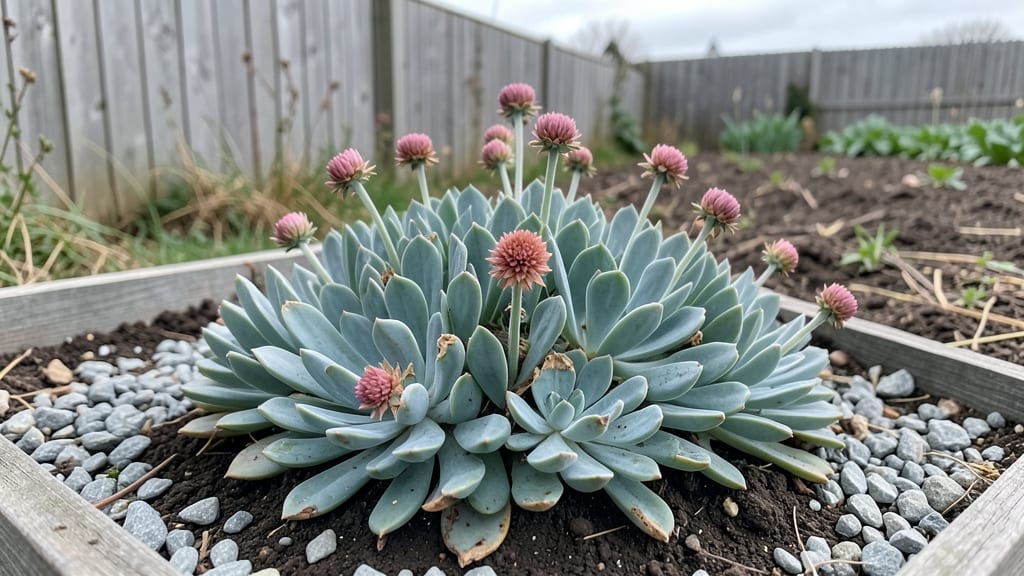
My modern garden bed is all about clean lines and effortless beauty—no more fighting weeds or struggling with outdated designs. ✨ The key lies in blending function with sleek materials like cedar, steel, or even reclaimed wood, while keeping the layout simple enough that maintenance feels like a breeze.
Picture this: a rectangular cedar bed with sharp edges, filled with a mix of ornamental grasses, low-maintenance perennials, and a pop of seasonal color. The trick is choosing plants that thrive together without needing constant attention—think drought-tolerant succulents paired with fragrant lavender.
Even in winter, the structure stays striking with evergreens and architectural foliage.
You’ll end up with a space that looks polished year-round, requires minimal upkeep, and still feels alive with texture and movement. The best part? It works for any yard size, whether you’ve got a tiny urban patio or a sprawling backyard.
Let’s make your garden the envy of the neighborhood without the fuss.
Between you and me, the secret isn’t just the materials—it’s the way you arrange them. A few well-placed stones, a clean edge, and the right plant palette can turn a basic bed into a modern masterpiece. Ready to transform your outdoor space?
📚 In This Guide
- What you need
- Instructions
- Tips and common mistakes
- Wrapping up and next steps
What you need
- ● Garden bed frame: Pre-cut cedar, redwood, or composite lumber (4x4 or 6x6 posts, 2x6 or 2x8 boards) – quantity depends on bed size (e.g., 8 posts + 4-6 boards for a 4’x8’ bed).
- ● Landscape fabric: 30lb test, 4’x50’ roll (covers weeds and retains moisture).
- ● Mulch: 2-3 cubic yards of cypress mulch (for a clean, modern look) or gravel (for a minimalist vibe).
- ● Soil: High-quality topsoil (2-3 cubic yards) or potting mix for raised beds.
- ● Tools: Circular saw or miter saw
- ● Drill + deck screws (2.5”–3”) or galvanized nails
- ● Level (4’ bubble level)
- ● Staple gun (for landscape fabric)
- ● Wheelbarrow (for hauling materials)
- ● Gloves + safety glasses
- ● Edging: Metal or plastic edging strips (prevents soil erosion and adds definition).
- ● Drip irrigation kit: Low-maintenance watering (e.g., 50’ roll of ¼” tubing + emitters).
- ● Lighting: Solar-powered path lights or LED strip lights for ambiance.
- ● Planters/boxes: Modular containers (for herbs, succulents, or seasonal swaps).
- ● Weatherproof sealant: For wood frames (extends lifespan by 2+ years).
Step-by-Step instructions for designing a modern garden bed
Here's how to create a sleek, functional garden bed that thrives year-round with minimal upkeep.
🪴 Step 1: Define the Bed Layout and Dimensions
Measure your space first—modern garden beds often follow clean geometric shapes like rectangles or squares. I like to keep mine 4 feet wide (so I can reach the center without stepping in) and 6-8 feet long for a balanced look. Mark the perimeter with landscape fabric or a garden hose, then use stakes and string to outline the shape precisely.
Pro tip: Avoid curves unless you're experienced—straight edges keep the design crisp. For a contemporary touch, add a 2-inch border of cobblestones or metal edging around the perimeter. This prevents soil erosion and gives that polished finish.
🌱 Step 2: Layer the Soil for Optimal Drainage and Fertility
Start with a 4-inch layer of coarse gravel at the bottom—this improves drainage and prevents waterlogging. Spread it evenly across the bed area, then add 2 inches of compost mixed with 2 gallons of organic matter (like leaf mold or well-rotted manure) for nutrient-rich soil.
Next, blend 3 gallons of premium potting mix with 1 gallon of perlite to lighten the texture. This ensures roots get both aeration and moisture retention. Top with 1 inch of finished compost—this top layer helps retain moisture and feeds plants slowly.
☀️ Step 3: Select Plants for Year-Round Structure and Color
Modern beds thrive with a mix of evergreens (like boxwood or dwarf holly) for structure, perennials (such as ornamental grasses or lavender) for texture, and seasonal bloomers (like pansies or tulips) for color. I group plants by height—tallest at the back, medium in the middle, and low-growing at the front.
For a zero-fuss approach, choose drought-tolerant varieties like sedum or Russian sage—they require less watering and still deliver striking foliage. Add 1-2 mulch types (like cypress mulch for texture or pine straw for a natural look) to suppress weeds and retain moisture.
✂️ Step 4: Install Irrigation for Hands-Off Maintenance
Skip the hose—modern beds need drip irrigation for precision. Run ¼-inch tubing along the bed’s edges, spacing emitters 12 inches apart. Connect to a timer set for 10-15 minutes every other day in dry climates, adjusting for rainfall.
For a sleek look, bury the tubing beneath 2 inches of mulch—it’ll stay hidden while delivering water directly to roots. Test the system before planting by running water for 5 minutes and checking for even saturation.
🌿 Step 5: Maintain with Minimal Effort
Water deeply once a week (or after 2-3 days without rain) until the top 2 inches of soil feel moist. Avoid overhead watering—it wastes water and encourages fungal diseases. Instead, use a soaker hose or the drip system you installed.
Prune plants once a year in early spring, cutting back dead or overgrown stems to maintain the bed’s clean lines. Add 1 gallon of compost annually in early spring to replenish nutrients without disturbing the design.
Tips & tricks for perfect modern garden beds
Creating a modern garden bed that looks effortless takes more than just good plants—it's about the details that elevate the design from functional to stunning. Here's what I've learned to keep my beds looking polished year-round.
The Layout Factor: When outlining your 4-foot-wide bed in Step 1, use a level to ensure the edges stay perfectly straight. I've found that even a slight slope can cause water runoff and uneven mulch distribution. For that ultra-modern look, consider using a string line with a laser level for precision—it makes all the difference in achieving clean, architectural lines that define contemporary gardens. The 2-inch border of cobblestones or metal edging isn't just decorative; it also creates a crisp transition between your bed and surrounding areas, preventing soil spillage and maintaining that sleek aesthetic.
Soil Science: In Step 2, don't skimp on the 4-inch gravel layer—this is your foundation for proper drainage. I've seen beds with poor drainage develop that soggy, unkempt look within weeks. For the 3 gallons of premium potting mix, look for one with a mycorrhizal fungus additive; it helps roots establish faster and creates a more resilient planting environment. The perlite isn't just filler—it creates those tiny air pockets that roots need to breathe, especially in urban environments where soil compaction is common.
Plant Placement Precision: When arranging your plants in Step 3, think about the mature size of each variety. I always space plants about 25% wider than their final spread to prevent overcrowding. For that modern minimalist look, consider using a grid system when planting—it creates visual order while still allowing for natural variations in plant forms. The drought-tolerant varieties like sedum or Russian sage aren't just low-maintenance; they also provide that clean, architectural foliage that modern designs crave. Remember, less is more—fewer plant types often create more impact in contemporary designs.
Irrigation Insight: That 5-minute test run in Step 4 is crucial—it lets you see exactly how your drip system covers the bed. I've found that adding a few extra emitters (about 6 inches apart in high-water areas) prevents dry spots that can lead to dead patches. Burying the tubing under 2 inches of mulch isn't just about aesthetics; it also protects the system from UV damage and keeps it hidden for that clean, uncluttered look. The 10-15 minute watering schedule might seem short, but it's designed for deep watering that encourages strong root growth rather than frequent shallow watering that promotes weak, surface roots.
Pro Tips for Modern Garden Bed
- Creating a modern garden bed that looks effortless takes more than just good plants—it's about the details that elevate the design from functional to stunning.
- The Layout Factor: When outlining your 4-foot-wide bed in Step 1, use a level to ensure the edges stay perfectly straight.
- Soil Science: In Step 2, don't skimp on the 4-inch gravel layer—this is your foundation for proper drainage.
Frequently asked questions
Got questions about creating or maintaining a modern garden bed? You’re not alone! Here are some of the most common queries—and their straightforward answers—to help you design with confidence and ease.
What’s the best soil mix for a modern garden bed?
A well-draining, nutrient-rich blend works best. Start with 50% high-quality topsoil, 30% compost, and 20% perlite or sand for aeration. For raised beds, mix in coco coir or peat moss to retain moisture. Avoid heavy clay—it can suffocate roots and disrupt sleek designs.
How long does it take to see results in a modern garden bed?
Patience pays off! With proper prep, annuals (like pansies or marigolds) bloom in 4–6 weeks, while perennials (e.g., lavender or ornamental grasses) may take 1–2 seasons to fully establish. Mulch and consistent watering speed up the process—just don’t overwater!
Are modern garden beds more expensive than traditional ones?
Not necessarily! While materials like gravity-fed irrigation or decorative edging add upfront costs, they save time and water long-term. Opt for DIY-friendly designs (e.g., cedar borders or recycled bricks) to cut expenses. Prioritize low-maintenance plants to keep costs—and effort—down.
Can I use a modern garden bed in cold climates?
Choose cold-hardy plants (e.g., hellebores, boxwood, or winter pansies) and protect them with mulch or frost cloth. Raised beds warm up faster in spring, giving you a head start. For extreme winters, consider container gardening with movable pots for flexibility.
How do I keep pests away without chemicals?
Prevention is key! Interplant herbs (like basil or rosemary) to deter pests naturally. Use row covers for delicate plants, and introduce beneficial insects (e.g., ladybugs). A neat, clutter-free design also reduces hiding spots for critters—bonus: it keeps your bed looking sharp!
What’s the easiest way to refresh an old modern garden bed?
Start with a top-dressing of compost (2–3 inches) to replenish nutrients. Trim back dead foliage, rotate plants to avoid soil depletion, and add new mulch for a polished look. Swap out a few plants for seasonal varieties (e.g., swap summer blooms for fall mums) to keep it fresh!
Wrapping up and next steps
A modern garden bed isn’t just about aesthetics—it’s a game-changer for low-maintenance, high-impact gardening. With the right design, you can enjoy lush greenery, vibrant blooms, or fresh produce year-round while keeping upkeep effortless.
Whether you’re a seasoned gardener or a beginner, these sleek, functional beds prove that beauty and simplicity go hand in hand.
Ready to transform your space? Start small—pick a corner, gather your materials, and let your creativity grow! Your dream garden is just a shovel (or a trowel) away. 🌱