
How To
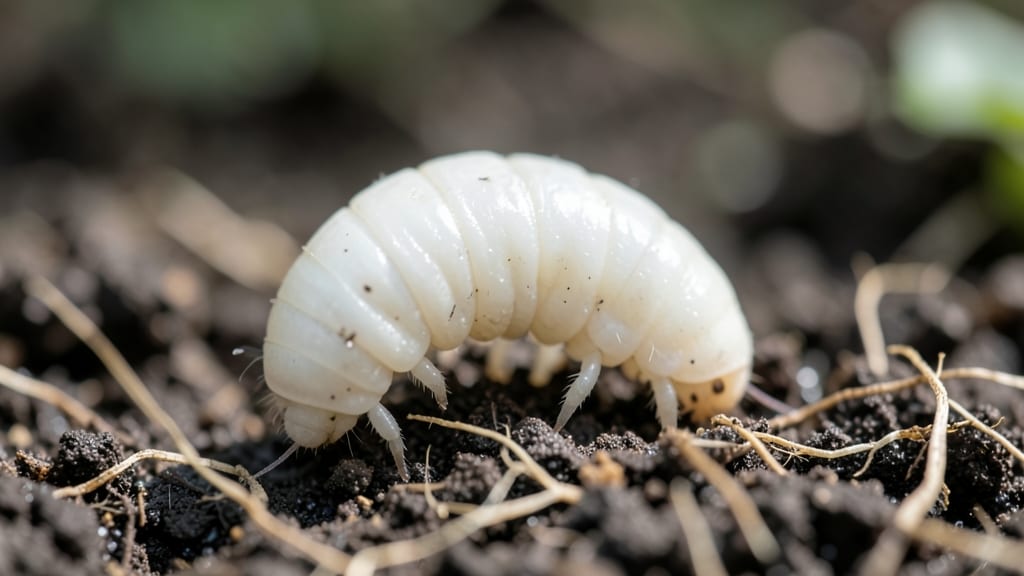
Removing grubs from your garden starts with understanding why those squirming white larvae are turning your lawn into a sponge. 🌱 I’ve dug up more than my share of these pests—especially after my prized roses nearly died last summer—and learned the hard way that ignoring them means losing plants to hungry birds and collapsing turf.
The good news? You don’t need harsh chemicals to win this battle.
The first step is confirming you’ve got grubs—not just any soil-dwelling critters. Dig up a small patch of sod in late afternoon (that’s when they’re most active) and look for fat, C-shaped larvae about an inch long.
If your lawn feels spongy when walked on or you see skunks digging it up, you’ve got a problem. The fix? A mix of milky spore powder for long-term control, beneficial nematodes for instant kill, or even a simple soapy water spray for mild cases.
Once you’ve treated the soil, focus on prevention: overseed bare spots, water deeply but less often, and keep your lawn thick—grubs love thin turf. Within 2-4 weeks, you’ll see healthier grass roots and fewer pests.
The secret? Consistency. I’ve gone grub-free for full seasons by combining these methods, and so can you.
For chemical options, consider imidacloprid granules as a last resort—but only if organic methods fail. The key is acting fast before damage spreads. Your lawn (and your sanity) will thank you.
The Hidden Triggers Behind Grubs
Grubs—those tiny, worm-like larvae of beetles—can turn your lush garden into a chewed-up mess if left unchecked. But why do they suddenly become a problem? The answer lies in their life cycle, environmental conditions, and the unwitting invitations we give them.
Let’s break down the real culprits behind grub infestations, so you can outsmart them before they strike.
Grubs don’t just appear—they’re the offspring of Japanese beetles, June bugs, or European chafer beetles, all of which thrive in warm climates. Here’s how it happens:
- Beetles seek out healthy grass (especially Kentucky bluegrass, turfgrass, and young plants) to feed on leaves and flowers.
- Females burrow into soil (1–4 inches deep) to lay eggs in clusters—up to 60 eggs per female in a single season!
- Eggs hatch in 7–14 days, releasing voracious grubs that feast on roots, weakening grass and plants.
💡 Pro Tip: If you see skeletonized leaves (chewed but intact) or beetles swarming in late summer, that’s your warning—grubs are on their way!
Grubs love moist, soft soil—the perfect nursery for their development. Here’s why your garden might be their dream home:
- Excessive watering keeps soil damp, mimicking their natural habitat (decaying organic matter).
- Heavy foot traffic or machinery compacts soil, making it easier for beetles to dig and lay eggs.
- Thatch buildup (a layer of dead grass between soil and living blades) traps moisture and provides insulation.
🌡️ Key Stat: Grubs thrive in soil temperatures between 60–85°F—so warm, humid summers accelerate their growth.
Grubs avoid dry, well-drained soil. Instead, they target areas with:
- Poor drainage (waterlogged spots where roots rot, attracting beetles).
- Leaf litter or mulch piles (decaying matter = grub buffet).
- Weak or stressed plants (grubs prefer easy meals—think newly seeded lawns or root crops like potatoes).
✨ Prevention Hack: Aerate your lawn in early fall to disrupt egg-laying sites and improve drainage.
Grubs don’t attack year-round—they follow a predictable life cycle:
| Season | Grub Stage | Risk Level | What to Watch For |
|---|---|---|---|
| Late Spring | Eggs hatching | ⚠️ Low | Beetles appear; scout for eggs. |
| Summer | Larvae (grubs) feeding | 🔥 High | Grass turns brown in patches. |
| Fall | Grubs mature, pupate | ⚠️ Moderate | Lawn recovers if grubs die off. |
| Winter | Pupae (overwinter) | 🥶 None | Grubs dormant; beetles emerge next spring. |
🎯 Critical Window: June–August is when grubs cause the most damage—act fast to prevent winter survival!
Some plants and practices actively attract beetles and grubs:
- Rosaceae family plants (roses, raspberries, grapes)—beetles love these.
- Night-blooming flowers (like lilacs) draw adult beetles for feeding.
- Fertilizer overuse (especially nitrogen) makes grass soft and sweet, a grub’s favorite snack.
🔥 Avoid This: Skip late-summer fertilization—it signals to beetles: “All-you-can-eat buffet!”
Grubs don’t invade randomly—they’re drawn by specific conditions you can control. By understanding their triggers (beetle activity, soil moisture, plant choices, and timing), you can starve them out, disrupt their cycle, or remove them before they wreck your garden.
Next up: How to spot an infestation early—so you can act before your lawn turns into grub chow!
Fixing Grub Damage Fast
Grubs may seem like a tiny menace, but with the right approach, you can banish them from your garden—without harming your lawn or the environment. Below, we’ve mapped out practical, step-by-step solutions tailored to the root cause of your grub problem, plus prevention tips to keep them from returning.
Cause: Grubs thrive in dense, waterlogged soil where roots can’t breathe. Overwatering creates the perfect damp hideout for them.
How to Fix It:
- 🔥 Test Your Soil – Stick a screwdriver into the ground. If it goes in easily (like butter), your soil is too soft. If it resists, it’s compacted.
- 🍳 Aerate Your Lawn – Rent a core aerator (or use a manual spike aerator for small areas) to pull out small soil plugs, breaking up compaction.
- 👨🍳 Adjust Watering – Water deeply 2-3 times per week (early morning) instead of daily shallow watering. Aim for 1 inch of water per week (including rain).
- 🥘 Add Organic Matter – Mix in compost or peat moss (1-2 inches) to improve drainage and deter grubs naturally.
💡 Pro Tip: If your lawn feels spongy underfoot, grubs are likely the culprit. Aerating disrupts their tunnels, forcing them to the surface where birds or predators can snack on them.
Cause: Visible brown patches, especially in late summer/fall, mean grubs are munching on roots. If you see skunks or raccoons digging, they’re already feasting on your grubs.
How to Fix It:
- 🔪 Inspect for Grubs – Dig up a small section of lawn (6x6 inches). Look for white, C-shaped larvae (1/2 to 3/4 inch long) in the top 2 inches of soil.
- 🌡️ Apply Beneficial Nematodes – These microscopic worms (Heterorhabditis bacteriophora) infect and kill grubs naturally. Mix with water and apply with a hose at dusk (they’re sensitive to sunlight).
- Dosage: 1-2 billion nematodes per 1,000 sq. ft. (reapply every 4-6 weeks if needed).
- 🎯 Use Milky Spore or Beauveria Bassiana – For long-term control, sprinkle milky spore powder (a bacterial treatment) over the lawn. It takes 1-2 years to establish but stays effective for decades.
- ✨ Spot-Treat with Neem Oil – For small infestations, spray neem oil (a natural insecticide) on affected areas. Reapply every 7-10 days until grubs are gone.
💡 Pro Tip: If grubs are severe, combine nematodes + milky spore for a 1-2-3 punch—immediate kill + long-term prevention.
Once you’ve kicked the grubs out, keep them from moving in with these low-effort habits:
| Prevention Step | How to Do It | Best Time |
|---|---|---|
| 🍂 Overseed Thin Lawns | Spread tall fescue or ryegrass seed to fill bare spots. Grubs avoid thick grass. | Early fall |
| 🌡️ Mow High | Set your mower to 3-4 inches to shade soil and deter egg-laying beetles. | Spring to fall |
| 🌱 Plant Grub-Resistant Grass | Switch to buffalo grass, zoysia, or fine fescue—grubs dislike their deep roots. | Fall or spring |
| 🐦 Encourage Predators | Leave leaf litter in shady areas for toads, birds, and ground beetles (natural grub hunters). | Year-round |
| 🚫 Avoid Synthetic Fertilizers | Too much nitrogen = soft, grub-friendly grass. Use slow-release organic fertilizer instead. | Spring & fall |
⚠️ Warning: Avoid chemical pesticides like imidacloprid or carbaryl—they kill grubs but also harm bees, earthworms, and beneficial insects. Go for targeted, eco-friendly fixes instead.
🔄 Recheck in 4-6 Weeks – After treatment, monitor your lawn. If brown patches return, repeat nematode applications or aerate again. With consistency, your grass will bounce back grub-free!
Frequently asked questions
How do I know if my garden has grubs and not just dry grass?
Look for spongy lawn patches that feel mushy when walked on, or dig up a small section to check for white, C-shaped larvae (about ½–¾ inch long). If you spot skunks or raccoons digging in your yard, they’re likely hunting grubs—another clear sign of an infestation.
Are beneficial nematodes safe for pets and kids?
Yes! Beneficial nematodes (Heterorhabditis bacteriophora) are non-toxic to humans, pets, and plants. They target only grubs and other soil pests. Just apply them at dusk (they’re sensitive to sunlight) and water lightly afterward to help them move into the soil.
Can I use milky spore powder on vegetables or flowers?
Milky spore is organic and safe for edible plants, flowers, and ornamental gardens. It specifically targets grubs but won’t harm beneficial insects or plants. Sprinkle it evenly over the soil in early summer for best results—it takes 1-2 years to fully establish.
Will overwatering make grub problems worse?
Grubs thrive in moist, soft soil, so watering too often (or too deeply) creates their perfect hideout. Switch to deep, infrequent watering (1 inch per week) and aerate your lawn to improve drainage—this disrupts their tunnels and forces them to the surface.
How long does it take to see results after treating grubs?
With beneficial nematodes, you’ll see improvement in 2-4 weeks as they kill existing grubs. For milky spore, expect 1-2 years for full effectiveness, but it provides long-term protection. Neem oil works faster (7-10 days) for small infestations but requires reapplication.