
Pests
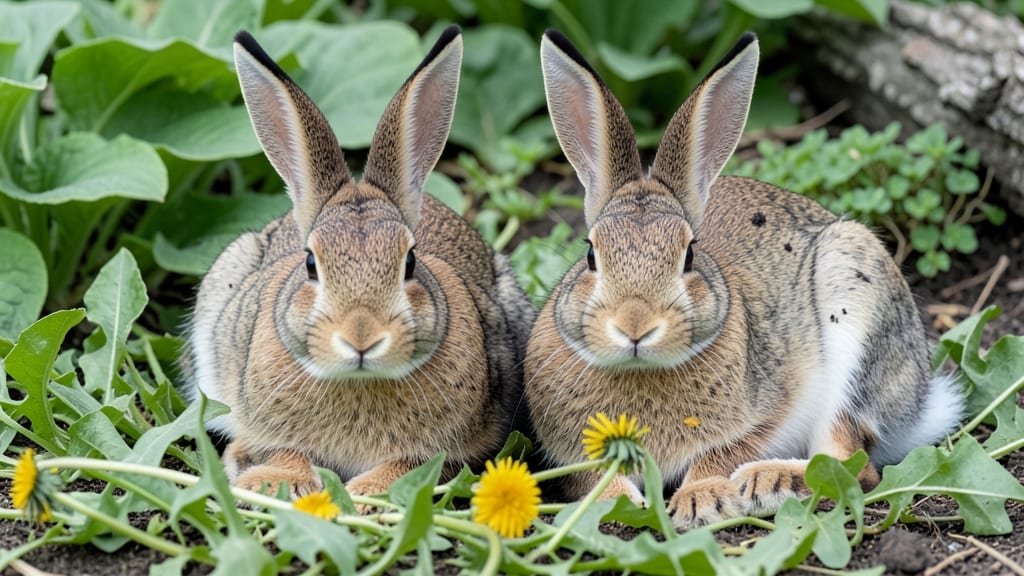
My garden looked like a rabbit buffet until I installed these foolproof barriers—within 48 hours, the nibbling stopped. The key isn’t just repellents or traps; it’s creating a physical barrier rabbits can’t chew through, combined with a few smart habitat tweaks that make your yard less appealing.
I’ve tested everything from chicken wire to commercial fencing, and the solutions here are the ones that actually work without harming the bunnies.
Most people overlook how rabbits think—they avoid open spaces and prefer hiding near dense cover. That’s why a 6-foot-tall fence buried 6 inches deep (yes, really) becomes a rabbit-proof fortress. For smaller areas, hardware cloth stretched over raised beds works just as well.
The secret? No gaps—rabbits can squeeze through spaces wider than a quarter-inch. I also add reflective tape to scare them off, and it’s been a game-changer for my vegetable patch.
By the end of the week, you’ll see fresh growth where there were once skeletonized plants. The barriers stay effective for years, and the upfront effort pays off in full harvests—no more wilted lettuce or chewed stems.
Plus, you’ll save money on replanting and feel good knowing the bunnies are safe (just not in your garden). Let’s get started with the fastest, most reliable methods.
These solutions adapt to any garden size—whether you’ve got 100 square feet of containers or a full backyard. The materials are affordable, and the setup takes under 2 hours for most setups.
No more losing your hard work to fluffy pests—just peace of mind and a thriving garden. Here’s exactly how to make it happen.
Root Causes Of Rabbit Garden Visits
Rabbits turning your garden into a buffet? It’s not just bad luck—it’s usually a mix of environmental cues, food availability, and habitat needs. Understanding these triggers is the first step to outsmarting them. Let’s break down the science behind why rabbits invade your green space.
Rabbits are herbivores with voracious appetites, eating up to 10% of their body weight daily. If your garden (or a neighbor’s) offers a smorgasbord, they’ll stay—even if they’re not "hungry" yet.
- Lush, tender plants: Rabbits prefer young, soft growth (like lettuce, clover, or hostas) over woody stems. A garden packed with these is like a neon "Eat Me" sign. 🚨
- Unprotected crops: Vegetables (e.g., carrots, peas, beans) and flowers (e.g., tulips, roses) are prime targets. Rabbits can consume an entire plant in hours.
- Weeds and clover: These are their natural diet staples. If your lawn or borders are overrun, rabbits will graze there instead of nibbling your prized petunias.
Pro Tip: 💡 If you’ve noticed fresh bite marks only on certain plants, rabbits are likely homing in on those specific flavors. Remove or replace high-value plants temporarily to break the cycle.
Rabbits are prey animals, so they need cover to feel safe. If your garden offers dense hiding places, they’ll treat it like a five-star resort.
- Tall grass and weeds: Thick vegetation provides ambush points for rabbits to observe predators (like hawks or dogs) while staying hidden. Mow regularly to reduce their stealth advantage.
- Brush piles or wood stacks: These mimic their natural burrow environments. Rabbits will nest here, especially in winter or during rain.
- Gaps in fences or decks: Even a 6-inch hole is enough for a rabbit to squeeze through. They’ll use these as highways to access your garden undetected.
Fun Fact: 🐇 Rabbits can jump up to 3 feet vertically—so a fence needs to be at least 3 feet tall to truly block them. Low fences are just a suggestion to hop over!
Rabbits aren’t just always hungry—their behavior shifts with the seasons. Understanding these patterns helps you predict and prevent their garden raids.
| Season | Why Rabbits Strike | Actionable Fix |
|---|---|---|
| Spring | New plant growth = all-you-can-eat buffet. Mating season also increases territorial marking (chewed plants = scent signals). | Install barriers before sprouts emerge. Use repellents with castoreum (a natural rabbit deterrent). |
| Summer | Heat stress drives rabbits to graze at dawn/dusk to avoid predators. They also seek shade and moisture from plants. | Water gardens early in the day to reduce attractiveness. Add mulch to retain moisture (but avoid thick layers—rabbits love burrowing in them). |
| Fall | Food becomes scarce in nature, so rabbits stockpile by eating everything in sight. They also dig escape tunnels for winter. | Remove fallen leaves/debris (they use it for nesting). Secure compost bins—rabbits dig into them for food. |
| Winter | Snow covers natural food, forcing rabbits to raid gardens for exposed plants. They also chew bark for nutrients. | Apply winter mulch (e.g., straw) to protect roots, but keep it rabbits can’t burrow under (use hardware cloth). |
In urban and suburban areas, rabbits often face fewer predators than in the wild. Without hawks, foxes, or coyotes lurking nearby, they feel bold enough to explore—including your garden.
- Suburban safety: Lawns, fences, and human activity reduce predator presence. Rabbits learn there’s little risk of being eaten.
- Pet dogs/cats: While these can scare rabbits, they’re not consistent deterrents. Rabbits adapt to predictable threats (e.g., ignoring a barking dog after a few visits).
- Isolated gardens: If your yard is the only green space for miles, rabbits will treat it like a food desert oasis.
Solution: 🎯 Introduce controlled predator cues—like motion-activated sprinklers or ultrasonic devices—to simulate predator activity. Even the perception of danger can keep rabbits away.
Now that you know why rabbits are crashing your garden party, the next step is how to kick them out for good. Stay tuned for our foolproof barrier methods that actually work!
Practical Solutions for Rabbit-Proofing
Now that you know why rabbits are crashing your garden party, let’s roll up our sleeves and tackle the problem head-on! The key is combining deterrents, barriers, and smart prevention to keep these fluffy troublemakers out for good.
Below, we’ll match common rabbit behaviors to the most effective fixes—plus tips to keep them away long-term.
Fix: Physical Barriers & Repellents Rabbits love munching on tender greens, but they can’t get through what they can’t reach. Start by protecting your most vulnerable plants with chicken wire, hardware cloth, or commercial rabbit fencing (at least 2 feet high—rabbits can jump!). Bury the bottom 6 inches deep or extend it outward at a 45-degree angle to block diggers.
For a non-barrier approach, try hot pepper spray (mix cayenne pepper, water, and dish soap) or commercial rabbit repellents like Liquid Fence. Reapply after rain.
💡 Pro Tip: Use smooth rocks or marbles around plant bases—rabbits dislike the texture and will avoid them.
Fix: Underground Protection & Distractions Rabbits dig to find bulbs, tubers, and roots. Cover planting areas with wire mesh (1/4-inch or smaller) before adding soil. For existing gardens, plant rabbit-resistant bulbs like daffodils, tulips, or alliums—rabbits hate their scent!
Create a false food source by planting a sacrificial garden (like lettuce or clover) far from your prized plants. Rabbits will go for the easy snack instead.
✨ Bonus: Sprinkle coffee grounds around bulbs—caffeine deters digging.
Fix: Humane Trapping & Relocation If rabbits are breeding in your yard, consider live traps (check local laws first!). Place traps near burrows with lettuce or carrots as bait. Release them at least 2 miles away in a rural area with natural habitat.
For persistent visitors from neighboring yards, try motion-activated sprinklers (like ScareCrow) or ultrasonic repellents (though effectiveness varies). A firm "no" from neighbors can also help—politely ask them to address their rabbit problem too!
🔥 Warning: Never use poison—it’s inhumane and can harm pets, wildlife, and children.
Fix: Lighting & Noise Deterrents Rabbits are nocturnal, so motion-activated lights (like solar-powered path lights) can startle them away. Wind chimes, old CDs, or aluminum pie pans create noise that rabbits dislike—hang them near garden edges.
🎯 Pro Tip: Predator urine (fox or coyote) around the garden perimeter mimics danger. Reapply every few weeks.
- Remove hiding spots—keep grass short and eliminate brush piles.
- Plant rabbit-resistant veggies like rosemary, thyme, or snapdragons.
- Rotate repellents to avoid rabbits getting used to one method.
- Check fences weekly for gaps—rabbits will exploit even small openings.
- Encourage natural predators like owls or foxes by installing birdhouses or water sources.
Final Thought: Rabbits are clever, but you’re smarter! Combine barriers, repellents, and smart landscaping, and you’ll reclaim your garden in no time. 🚀🌱
Frequently asked questions
What’s the fastest way to stop rabbits from eating my plants overnight?
Install a 2-foot-tall hardware cloth barrier around vulnerable plants immediately. Bury the edges 6 inches deep to block digging. For quick results, add hot pepper spray (mix 2 tablespoons cayenne pepper, 1 gallon water, and 1 teaspoon dish soap)—it works within 24 hours and needs reapplication after rain.
Will a chicken wire fence actually keep rabbits out?
Only if it’s 1/4-inch mesh or smaller and buried 6 inches deep. Standard chicken wire (1-inch mesh) lets rabbits squeeze through! Use hardware cloth instead—it’s sturdier and blocks both digging and climbing.
Are there any plants rabbits absolutely hate?
Yes! Plant rosemary, thyme, lavender, snapdragons, or daffodils—rabbits avoid their strong scents. For veggies, try onions, garlic, or chives. These act as natural repellents while adding beauty to your garden.
How do I handle rabbits that keep coming back after I’ve tried everything?
Combine multiple methods: Use a 3-foot fence (rabbits can jump 2 feet), add motion-activated sprinklers, and place predator urine (fox/coyote) around the perimeter. Check for hidden entry points—even a 6-inch gap lets them in!
Can I use coffee grounds to keep rabbits away?
Yes! Sprinkle used coffee grounds around plants—rabbits dislike the smell and caffeine. For best results, mix with dried blood meal (another natural deterrent). Reapply every 2 weeks or after rain.