
Watering
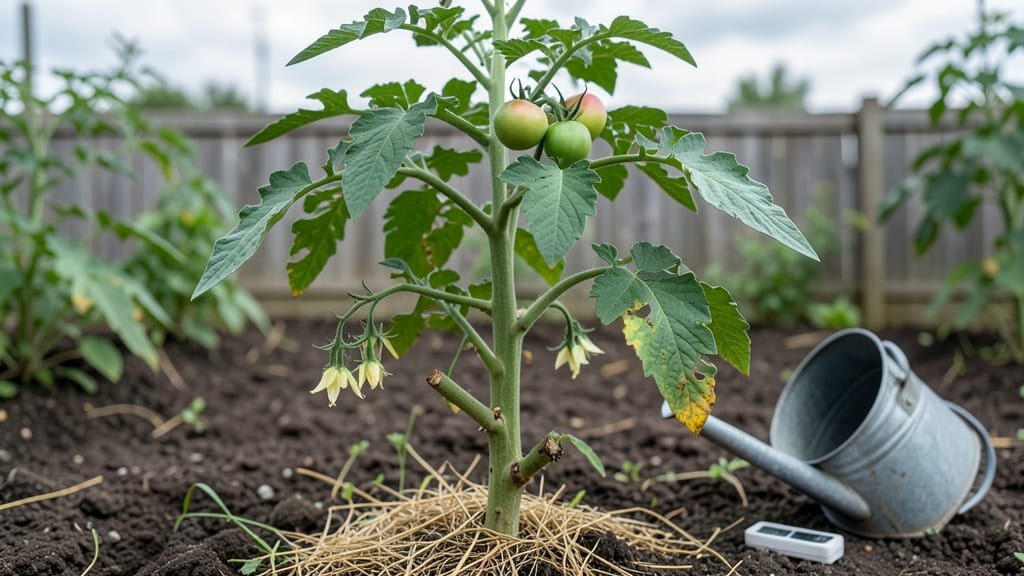
Watering your garden the right way means knowing how often your plants truly need moisture—not just guessing based on a calendar.
Struggling to keep your garden thriving without overwatering or underwatering? The secret to perfect plant care lies in understanding how often your garden truly needs water—not just guessing based on a generic schedule. 🌱
Most gardeners water either too much or too little, which can stifle growth or invite pests. The key is learning to read your soil and plants, adjusting for factors like plant type, weather, and season.
In this guide, I’ll walk you through simple soil-moisture tests, plant-specific watering tips, and how to spot signs of over- or under-watering—so you can keep your garden lush without wasting a drop.
Soil-moisture test methods to determine watering frequency
Watering your garden isn't about following a rigid schedule—it's about understanding your soil moisture levels and adjusting based on your plant types and climate conditions. Overwatering or underwatering can both harm your plants, so learning to check soil moisture accurately is essential.
I've tested the most reliable methods, from simple finger tests to high-tech moisture meters, to help you water smarter, not harder.
Your garden's water needs change with the season, plant type, and even the time of day. Succulents and cacti, for example, thrive on infrequent, deep watering, while leafy vegetables like lettuce need consistent moisture.
By mastering these soil-moisture test methods, you'll avoid guesswork and create an optimal environment for your garden's growth.
Here’s a quick comparison of the most effective techniques to check soil moisture and adjust your watering schedule accordingly:
| Method | How It Works | Best For | Frequency | Tools Needed |
|---|---|---|---|---|
| Finger Test | Stick your finger 1-2 inches into soil; dryness indicates watering time. | Vegetables, flowers, herbs | Daily (morning) | None |
| Moisture Meter | Digital probe measures soil moisture percentage accurately. | Succulents, containers, precision gardening | Weekly or as needed | Moisture meter ($15-$30) |
| Visual Cues | Observe wilting leaves, soil cracks, or mold for moisture clues. | All plants (beginner-friendly) | Daily (quick check) | None |
| Trowel Test | Dig a small hole; check moisture at root level (2-3 inches deep). | Trees, shrubs, perennials | Weekly | Trowel or small shovel |
| Weight Check | Lift a pot; heavier = moist, lighter = dry. | Container plants | Every 2-3 days | None |
For most vegetable gardens, the finger test is my go-to method because it’s free, easy, and gives instant feedback. Simply push your index finger 1-2 inches into the soil—if it feels dry, it’s time to water.
This method works especially well for plants like tomatoes, peppers, and leafy greens, which need consistent moisture but hate soggy roots.
If you're growing succulents or cacti, however, the moisture meter becomes invaluable. These plants store water in their leaves and stems, so overwatering is a common mistake. A moisture meter helps you avoid the guesswork by giving a precise reading of soil moisture levels at the root zone.
Aim for readings below 30% moisture for most succulents to prevent root rot.
Visual cues are another low-tech solution that works well for flower gardens and ornamental plants. Look for signs like wilting leaves, yellowing foliage, or cracked soil to determine when to water.
However, be cautious—some plants, like lavender or roses, may wilt slightly in the heat but recover once watered, so always pair visual checks with a finger test for accuracy.
Seasonal changes dramatically affect your garden's watering needs. In summer months, when temperatures soar and evaporation rates increase, you may need to water daily for thirsty plants like zucchini or cucumbers.
Conversely, in winter, most plants enter dormancy and require minimal watering—often just enough to keep the soil from drying out completely. Adjust your watering frequency based on the weather forecast and your local climate zone.
Don’t forget to consider your soil type when testing moisture. Sandy soils drain quickly and may need watering every 2-3 days, while clay soils retain moisture longer and might only need watering once a week.
To improve accuracy, combine the finger test with the trowel test for deeper-rooted plants like tomatoes or roses. This ensures you’re watering at the right depth to encourage strong root growth.
For container gardens, the weight check is a game-changer. Lift your pot—if it feels light, it’s time to water. This method is perfect for herbs like basil or mint, which can dry out quickly in small pots.
Pair this with the moisture meter for containers with drainage issues, where overwatering is a greater risk.
Pro tip: Always water deeply but infrequently to encourage roots to grow deeper into the soil. This builds resilience against drought and heatwaves. For most gardens, a deep watering session every 2-3 days in summer and weekly in cooler months strikes the perfect balance.
Adjust based on your soil-moisture tests and your plants’ specific needs.
💧
Plant-specific watering schedules based on root depth and climate
Watering your garden isn't one-size-fits-all—it depends on root depth, plant type, and your local climate. Shallow-rooted herbs like basil need frequent, light watering, while deep-rooted roses thrive with deep, infrequent soaks.
Even within the same plant family, water needs shift from arid deserts to humid rainforests. Let's break down how often to water your most common garden stars.
Understanding root depth is key: plants with roots in the top 6 inches (like lettuce) dry out faster than those with roots 2+ feet deep (like tomatoes). In arid climates, mulch can cut water needs by 30%, while humid regions may require more frequent checks for fungal risks.
Always water in the early morning to maximize absorption and minimize disease.
Signs of underwatering include crispy leaf edges, wilting despite moist soil, and yellowing leaves. Overwatering? Look for mushy stems, yellowing foliage, and roots growing out of the soil. Both extremes stress plants—adjust based on these cues, not just a calendar.
🌱 summary table
For container gardens, watering frequency doubles because pots dry out faster. Check soil moisture by sticking your finger 1-2 inches deep—if it feels dry, it's time to water.
In hot climates, water at the soil's surface to cool roots, while cool climates benefit from deeper watering to encourage root growth.
Adjust your schedule seasonally: spring and fall often need less water than summer, even for the same plants. Use a rain gauge to track natural precipitation—subtract that from your watering routine. For example, if you get 0.5 inches of rain, reduce your tomato watering by half that amount.
Pro tip: Group plants with similar water needs together in your garden layout. This zonal watering saves time and ensures no plant gets neglected. Always water at the base of the plant, not the leaves, to prevent fungal diseases like powdery mildew.
With these plant-specific schedules, you'll keep your garden lush without wasting a drop! 💧