
Trees
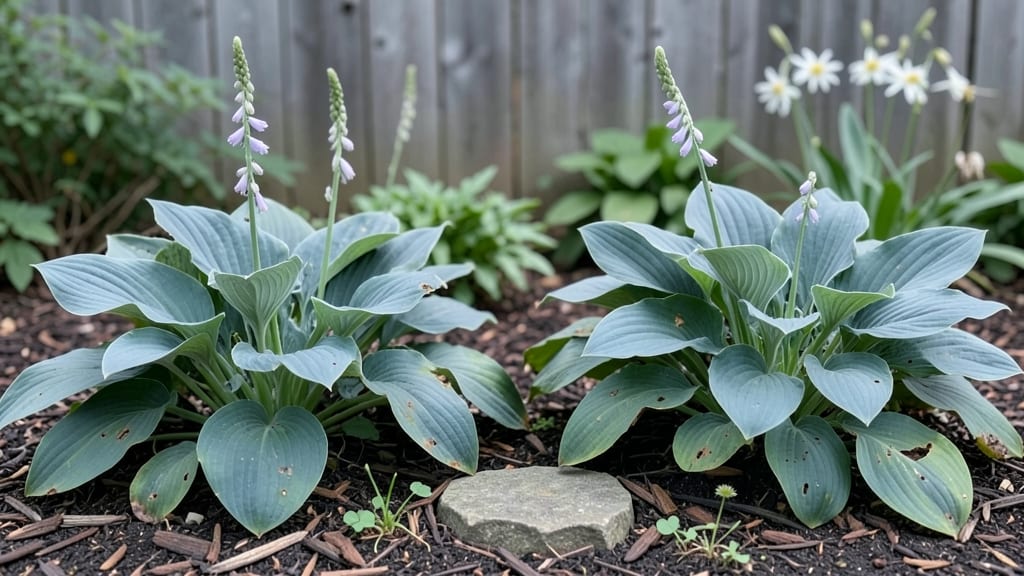
Hosta gardens pictures feature vibrant displays where deep emerald leaves, golden variegation, and bold foliage patterns create breathtaking visual harmony. Strategic pairings with ferns, heucheras, and shade-loving perennials add dimension, while organic mulch and ground covers preserve their lush appearance in low-light environments.
These garden designs rely on hostas' natural versatility—whether you're working with towering 'Blue Angel' varieties or delicate miniature hostas for ground coverage. 🌿 The key is playing with height variation: plant taller cultivars at the back, medium-sized ones in the middle, and low-growing types along pathways or borders.
I've seen stunning results when pairing blue-green hostas with purple heucheras—the color contrast creates a dramatic, almost jewel-toned effect that photographers love.
For maximum impact, focus on seasonal interest: some hostas develop striking fall colors, while others maintain their vibrancy year-round. Adding textured mulch like pine straw or shredded bark not only suppresses weeds but also frames the foliage beautifully in photos.
Pro tip: shoot during early morning light when dew enhances the leaves' natural sheen.
💡 In This Article
- Design Principles for Stunning Hosta Garden Layouts
- Top Hosta Varieties for Photogenic Garden Displays
Design principles for stunning hosta garden layouts
The secret to creating visually striking hosta displays lies in understanding how their leaf characteristics interact with light and space.
Hostas come in over 30 leaf colors—from deep navy blues like 'Patriot' to golden chartreuse varieties such as 'Francee'—and their shapes range from broad, rounded leaves to narrow, lance-shaped foliage.
This diversity allows you to create color blocking effects similar to a painter's palette, where adjacent plants create optical contrasts that pop in photographs.
The key factor is leveraging complementary colors on the color wheel: pairing blue hostas with purple heucheras creates a striking contrast that mimics the natural harmony found in woodland floors.
Height variation is equally critical for depth. Taller hostas like 'Blue Angel' (reaching 36-48 inches) should anchor the back of borders, while medium-sized varieties such as 'Guacamole' (18-24 inches) create mid-level interest.
For ground coverage, use low-growing types like 'Pandora's Box' (6-12 inches) along pathways or spilling over edges.
This tiered approach mimics natural forest understory layers, where sunlight filters through different strata. 🌿 What most gardeners overlook is how hosta leaf textures add dimension—thick, leathery leaves like 'June' contrast beautifully with delicate, wavy-edged varieties such as 'Halcyon'.
Seasonal interest transforms hosta gardens from static displays into dynamic canvases. Some varieties like 'Halcyon' develop stunning bronze-purple fall colors, while others maintain their vibrancy year-round. To maximize this, incorporate plants that offer complementary seasonal interest, such as:
- Spring: Pair with bleeding heart (Dicentra) for delicate pink blooms
- Summer: Add heucheras with their velvety foliage
- Fall: Include Japanese anemones for late-season blooms
Light plays a crucial role in highlighting hosta foliage. Variegated hostas like 'Francee' develop their golden centers when exposed to partial shade (3-6 hours of morning sun), while solid green varieties thrive in deeper shade.
For photography, position hostas to catch dappled sunlight, which enhances their natural sheen and creates dramatic light patterns on the leaves.
Mulch choice matters too—organic options like pine straw or shredded bark not only suppress weeds but also create a natural frame that makes hostas appear more lush in pictures.
Focal points elevate hosta gardens from ordinary to extraordinary. Consider placing a single specimen plant like 'Blue Angel' in a centerpiece position where it becomes the visual anchor. Surround it with textural contrasts, such as:
- Fern fronds for delicate, feathery contrast
- Heuchera leaves for their velvety, almost metallic sheen
- Grasses like Hakonechloa for movement and height variation
Finally, don't underestimate the power of negative space. Allowing hostas room to breathe—typically 18-24 inches between mature plants—prevents overcrowding and lets each plant's unique characteristics shine.
This principle, borrowed from modern art, creates a sense of breathing room that makes photographs feel more balanced and professional. 💫 When you step back, you'll see how these elements work together to create hosta gardens that look as stunning in person as they do in pictures.