
Size
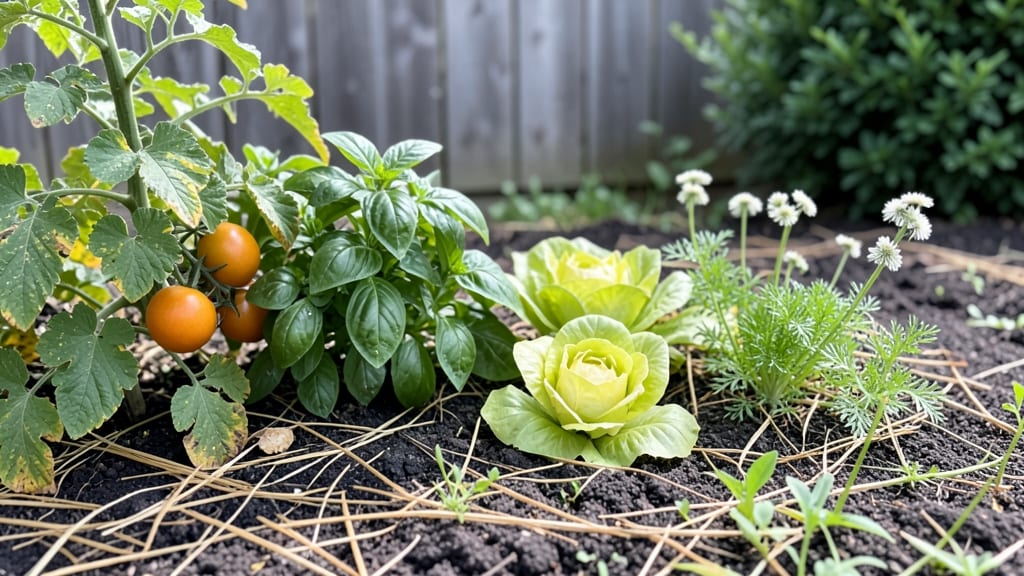
To grow a garden in the best garden style, start with a single row or a single pot—your choice, your space, your rules. I’ve turned balconies, backyards, and even sunny windowsills into thriving green spaces that produce food long after the store-bought options fade.
The secret isn’t fancy tools or rare seeds; it’s understanding how plants really grow, not how they’re supposed to in perfect catalog pictures.
You’ll need soil that drains but holds moisture, plants suited to your sunlight (yes, there are shade-friendly winners), and a watering routine that matches your schedule—not the other way around. My first garden flopped when I ignored spacing—crowded plants compete for nutrients, and that’s when pests move in.
But once you get the basics right, the rest becomes instinct. Even a 10x10-foot patch can feed a family for months if you pick the right crops.
Imagine snipping fresh basil in July, harvesting crisp lettuce in October, and still finding green beans in November. That’s not magic—it’s layering cool-season crops, protecting tender plants from frost, and letting nature do the heavy lifting.
You’ll end up with a garden that works for you, not against your lifestyle or your yard’s quirks. Let’s get those roots in the dirt.
This works whether you’ve got full sun or just a patch of light, a budget or a blank check—because the best garden isn’t about perfection. It’s about progress, one seed at a time. Here’s how to start without overthinking it.
📚 In This Guide
- What you need
- Instructions
- Tips and common mistakes
- Wrapping up and next steps
What you need
- ● Containers or Garden Beds: Potatoes or raised beds (4”–12” deep, depending on plants; e.g., 10” deep for veggies)
- ● Window boxes or hanging planters (for herbs/flowers; 3”–6” depth)
- ○ Self-watering planters (optional but great for busy gardeners!)
- ● Soil: High-quality potting mix (sterile, well-draining; avoid garden soil)
- ● Compost or organic fertilizer (1–2 cups per container; fish emulsion or worm castings work wonders)
- ● Seeds or Seedlings: Choose fast-growing varieties for year-round harvests (e.g., lettuce, radishes, microgreens, herbs like basil or cilantro).
- ● Seed packets (start with 5–10 seeds per plant type) or transplants (if short on time).
- ● Tools: Trowel or small hand shovel (for planting)
- ● Pruners (for trimming herbs/flowers)
- ● Watering can or spray bottle (with a gentle rose nozzle for seedlings)
- ● Gloves (to protect your hands from dirt and thorns)
- ● Sunlight: At least 4–6 hours of direct sun daily (adjust plants based on your space; leafy greens tolerate shade).
- ● Water Access: A nearby water source or hose with a soaker hose attachment.
- ● Space Planning: Measure your area and sketch a simple layout (group plants with similar water/sun needs).
- ● Leave 2–3 inches of space between containers for airflow (prevents mold!).
- ● Climate Considerations: Check your USDA Hardiness Zone (or local frost dates) to pick cold-hardy or heat-tolerant plants.
- ○ For year-round gardens, invest in row covers or cold frames (optional but helpful for winter).
- ● Mulch (to retain moisture and suppress weeds)
- ● Plant markers (to label your greens—trust us, you’ll forget what’s what!)
- ● Grow lights (for indoor setups or low-light spaces)
- ● Trellis or stakes (for climbing plants like peas or cucumbers)
- ● Pest control: Neem oil, diatomaceous earth, or companion plants (e.g., marigolds to deter pests).
Step-by-Step instructions for building your best garden
Here's how to create a thriving garden that delivers year-round abundance, no matter your space.
Design Your Garden Layout for Maximum Efficiency
Start by sketching your garden space on paper, marking sun exposure patterns throughout the day. I always divide my garden into four distinct zones: sun-loving plants (6+ hours of direct sun), partial shade (3-6 hours), full shade (less than 3 hours), and container-friendly areas. This ensures every plant gets exactly what it needs to thrive.
For a 4-plant setup, dedicate one corner to your tallest plants like sunflowers or tomatoes, placing them along the north side of the garden to avoid shading smaller plants. Use the remaining space for mid-height plants like peppers or herbs, and fill gaps with low-growing ground covers or leafy greens. This vertical layering maximizes every square foot of space.
Prepare the Soil for Nutrient-Rich Growth
Break up the soil to a depth of 12 inches using a garden fork or tiller, loosening it until it crumbles easily between your fingers. This aeration encourages root growth and prevents compaction. If your soil feels heavy or clay-like, mix in 2-3 inches of compost to improve drainage and fertility.
For container gardens, fill pots with a high-quality potting mix (never garden soil) and add a slow-release fertilizer at planting time. I like to work in a handful of worm castings per plant—this boosts microbial activity and gives plants a nutrient kick right from the start. Water the soil thoroughly after amending to help everything settle.
Plant with Strategic Spacing and Companion Pairings
Follow the spacing guidelines on your seed packets or plant tags, but don't be afraid to adjust slightly based on your garden's microclimate. For example, basil thrives when planted 12 inches apart, but in cooler climates, I space mine 18 inches apart to prevent overcrowding. Group plants with similar water needs together to simplify irrigation.
Pair plants that benefit from each other's presence—like planting basil near tomatoes to improve flavor and deter pests, or marigolds around vegetables to repel nematodes. This natural synergy reduces the need for chemical interventions and creates a more resilient garden ecosystem. Water deeply after planting to encourage root establishment.
Implement a Watering System for Consistent Moisture
Set up a drip irrigation system or soaker hoses to deliver water directly to the soil, avoiding wet foliage that can lead to fungal diseases. Water in the early morning to allow leaves to dry throughout the day. Aim for 1 inch of water per week, adjusting based on rainfall and temperature—hotter days may require daily watering for containers.
Mulch around plants with 2-3 inches of organic mulch (like straw or shredded leaves) to retain moisture, suppress weeds, and regulate soil temperature. Check soil moisture by sticking your finger 1 inch deep—if it feels dry, it's time to water. Overwatering is a common mistake; plants need air in their root zones just as much as water.
Maintain with Regular Care and Seasonal Adjustments
Fertilize plants every 4-6 weeks with a balanced, organic fertilizer to support steady growth. Prune leggy or overgrown plants to encourage bushier growth and better air circulation. Remove spent flowers or fruits to redirect the plant's energy into producing more abundant harvests—this is especially important for tomatoes and peppers.
Monitor your garden weekly for signs of pests or diseases, like yellowing leaves or chewed foliage. Address issues early with organic solutions like neem oil or companion planting. As seasons change, adjust your care routine: reduce watering in fall, add a layer of mulch in winter, and start fresh with new plantings in spring. This proactive approach keeps your garden thriving year-round.
Tips & tricks for perfect garden design and maintenance
Creating a thriving garden that delivers year-round abundance requires more than just planting seeds—it's about strategic planning and consistent care. Here are my best tips to help you maximize your garden's potential and avoid common pitfalls.
Sun Exposure is Everything: In Step 1, when you're dividing your garden into sun zones, I recommend using a simple tool like a sun calculator app to track sunlight patterns for an entire week before planting. This helps you identify microclimates in your yard that might not be obvious at first glance. For example, that shady corner might actually get 3-6 hours of partial sun in the morning—perfect for herbs or leafy greens that prefer indirect light.
Soil Prep Secrets: When preparing your soil in Step 2, take it a step further by testing your soil's pH level before amending. Most vegetables prefer a slightly acidic soil (pH 6.0-7.0), while blueberries need more acidic soil (pH 4.5-5.5). You can buy inexpensive test kits at garden centers. Also, consider adding a layer of biochar (charred plant material) to your compost mix—it improves soil structure and helps retain nutrients for longer periods.
Companion Planting Beyond Basics: While the instructions mention basil and tomatoes, there are even more powerful pairings you can incorporate. In Step 3, consider adding nasturtiums around your cucumbers—they deter cucumber beetles naturally. Another game-changer is planting garlic around fruit trees to repel codling moths. These companion plantings create a self-sustaining ecosystem that reduces the need for chemical interventions while boosting yields.
Watering System Upgrades: For Step 4, if you're using a drip irrigation system, install a timer that delivers water in short cycles (10-15 minutes every 2 hours) instead of one long session. This mimics natural rainfall patterns and helps prevent runoff while ensuring even moisture distribution. For containers, consider adding a moisture meter to avoid the guesswork—these inexpensive devices give you precise readings of soil moisture levels.
Pro Tips for Grow A Garden Best Garden
- Creating a thriving garden that delivers year-round abundance requires more than just planting seeds—it's about strategic planning and consistent care.
- Sun Exposure is Everything: In Step 1, when you're dividing your garden into sun zones, I recommend using a simple tool like a sun calculator app to track sunlight patterns for an entire week before planting.
- Soil Prep Secrets: When preparing your soil in Step 2, take it a step further by testing your soil's pH level before amending.
Frequently asked questions
Got questions about growing your own garden? You’re not alone! Here are answers to some of the most common concerns—whether you're a beginner or a seasoned green thumb looking to optimize your space.
How do I start a garden with limited space?
No yard? No problem! Use containers, vertical planters, or even window boxes for herbs, greens, and compact veggies like cherry tomatoes or peppers. Balconies, patios, and even sunny windowsills can work—just ensure your plants get 6+ hours of sunlight daily. Succulents and strawberries thrive in small spaces too!
When is the best time to plant my garden?
Timing depends on your climate and crop! Cool-season veggies (like lettuce or kale) love early spring or fall, while warm-season plants (tomatoes, peppers) need soil temps above 60°F. Check your last frost date (usually March–May in most U.S. zones) and plant accordingly. Extend seasons with row covers or cold frames!
What’s the cheapest way to start a garden?
Skip store-bought soil—use free compost from yard waste or kitchen scraps! Repurpose old containers (clean buckets, tires, or even egg cartons for seedlings). Save seeds from store-bought produce (like tomatoes or peppers) or swap with neighbors. Dollar stores often have affordable tools, and rainwater works perfectly for watering.
How do I keep pests away without chemicals?
Prevention is key! Plant companion crops (like basil with tomatoes to repel flies), use row covers, or introduce beneficial insects (ladybugs eat aphids). Homemade sprays (neem oil + water) or physical barriers (copper tape for slugs) work wonders. Healthy soil = stronger plants that resist pests naturally!
Can I grow a garden in winter?
Focus on cold-hardy crops like kale, spinach, carrots, or garlic. Use raised beds, cold frames, or greenhouses to extend the season. Mulch heavily to insulate roots, and choose varieties labeled “winter-hardy.” Even herbs like parsley or thyme survive light frosts—just protect them from harsh winds!
Still stumped? Drop your question in the comments—we’re happy to help you grow!
Wrapping up and next steps
Growing a thriving garden—no matter your space—is totally within reach! 🌱 Whether you’re nurturing herbs in a sunny windowsill or cultivating a full-sized veggie patch, the key is starting small, staying consistent, and adapting to your unique environment.
Every seed you plant is a step toward fresher food, deeper connection to nature, and the pure joy of watching life grow.
Ready to take the next step? Pick one plant or recipe to try this week, then build from there. Your best garden isn’t just a space—it’s a journey. Happy growing! 🌿