
Tools
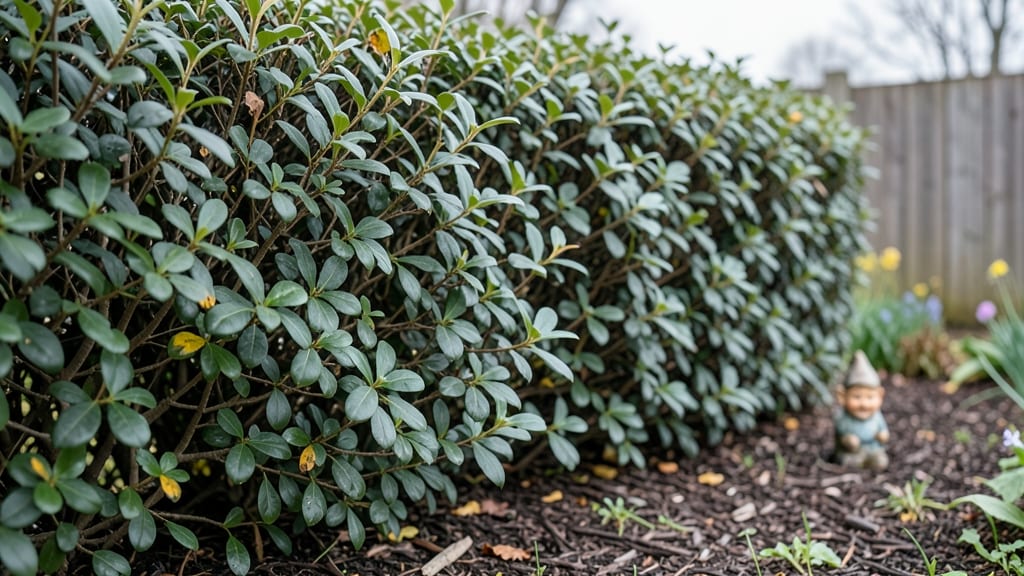
Designing a garden in Germany means blending rustic charm with plants that thrive in its cool, temperate climate. 🌿 I fell in love with the way German cottage gardens layer perennials, herbs, and flowering shrubs to create lush, low-maintenance spaces that feel like stepping into a storybook.
The key isn’t perfection—it’s letting nature guide the layout while keeping paths winding and cozy seating areas tucked into quiet corners.
Start with native plants like lavender, foxgloves, and blackcurrant bushes—they’re hardy, support local wildlife, and fit seamlessly into Germany’s mild summers and chilly winters. Many German gardens also incorporate allotment-style raised beds, perfect for growing vegetables like kale, carrots, and potatoes without bending over.
The secret to that timeless look? Mixing textures—think velvety lamb’s ear beside spiky hollyhocks—and keeping colors soft but vibrant.
You’ll end up with a garden that feels lived-in, not manicured. Imagine morning coffee under a wisteria arbor in spring, or harvesting fresh herbs from a sunlit herb spiral in summer.
The best part? These designs work just as well in urban courtyards as they do in sprawling rural plots. Let’s bring that German garden magic to your space—no fancy tools required.
Fair warning: Germans take their gardening seriously, but the beauty lies in the imperfect, organic feel. Start small, observe what thrives in your microclimate, and let the plants lead. That’s how you create a garden that feels authentically yours—and perfectly German.
📚 In This Guide
- What you need
- Instructions
- Tips and common mistakes
- Wrapping up and next steps
What you need
- ● Perennials (3-5 varieties): Roses (e.g., Rosa gallica or Rosa rugosa) – 5-10 bushes
- ● Peonies (Paeonia lactiflora) – 3-5 plants
- ● Delphiniums (Delphinium elatum) – 3-5 clumps
- ● Lavender (Lavandula angustifolia) – 5-10 plants
- ● Annuals (for color bursts): Sweet peas (Lathyrus odoratus) – 20-30 seeds
- ● Marigolds (Tagetes) – 10-15 plants
- ● Nasturtiums (Tropaeolum) – 10-15 plants
- ● Climbing plants: Clematis (Clematis vitalba) – 2-3 vines
- ● Honeysuckle (Lonicera periclymenum) – 2-3 plants
- ● Ground cover: Thyme (Thymus serpyllum) or creeping jenny (Lysimachia nummularia) – 10-15 plants
- ● Hand tools: Garden trowel (stainless steel, 10-15 cm)
- ● Pruning shears (bypass, sharp blades)
- ● Hand fork (for aerating soil)
- ● Garden gloves (durable, breathable fabric)
- ○ Larger tools (optional but helpful): Wheelbarrow (for transporting soil/plants)
- ● Hoe (for weeding)
- ● Lawnmower (if including grassy areas)
- ● Decorative elements: Old wooden trellises or arbors (for climbing plants)
- ● Terracotta pots (varied sizes, 5-10)
- ● Stone or brick borders (for defining paths)
- ● Location: Partial shade to full sun (most cottage plants thrive in 6+ hours of sunlight)
- ● Soil: Well-draining, slightly acidic to neutral pH (6.0-7.0). Amend with compost if needed.
- ● Water source: Garden hose with spray nozzle or drip irrigation system
- ● Local regulations: Check for restrictions on plant types or garden structures (especially in urban areas).
How to create a German cottage garden with timeless appeal
Here’s how to blend rustic German charm with lush, layered planting—no formal rules required.
🌱 Step 1: Define Your Garden’s "Room" With Soft Edges
German cottage gardens thrive on irregular shapes and winding paths. Start by sketching a loose layout with meandering borders—think gentle curves instead of sharp lines. Avoid straight edges; they disrupt the natural, lived-in feel. I like to use a garden hose to trace organic shapes on the ground before digging, then follow those curves with a spade.
Here’s the thing—German gardens often incorporate arborvitae hedges or willow fences for vertical interest, but you can use any dense evergreen or flowering shrub to create a "room" effect. The key is to let the plants spill over slightly, as if they’ve been growing there for decades. If your space is small, even a single climbing rose trained along a trellis will anchor the design.
🪴 Step 2: Layer Plants in Three Tiers for Depth
German cottage gardens use a three-tiered planting approach: tall backdrops, mid-height fillers, and low-spreading ground covers. Start with tall perennials like delphiniums or hollyhocks (6-8 feet) at the back, then add mid-height shrubs like hydrangeas or lavender (3-5 feet) in the middle. Finally, fill the front with low-growing annuals like pansies or sweet alyssum or perennials like creeping thyme.
I always plant in odd-numbered groupings—threes or fives—because it feels more natural and balanced. Space taller plants 18-24 inches apart to allow airflow, which prevents fungal diseases. The goal is a soft, romantic tangle, not a rigid grid. If a plant outgrows its spot, don’t hesitate to relocate it—German gardens evolve organically.
☀️ Step 3: Incorporate Rustic German Elements
No German cottage garden is complete without weathered wood, stone, or metal accents. Start with a wooden arbor or bench (untreated oak or pine works best) as a focal point. Add slate stepping stones or cobblestones for paths—irregular shapes are perfect here. I’ve seen stunning gardens use old iron garden tools or lanterns as decorative elements, too.
Don’t overlook climbing roses or clematis trained along trellises or fences. These add vertical drama and a touch of nostalgia. For a true German feel, include wisteria or jasmine near seating areas—their fragrance is iconic. Even a simple brick or stone wall can serve as a backdrop for climbing plants and add texture.
💧 Step 4: Prioritize Seasonal Interest and Fragrance
German gardens are designed to be lively year-round. In spring, plant bulbs like daffodils or tulips for early color, then layer in perennials like peonies or lilacs for mid-season blooms. Summer should feature roses, hydrangeas, and lavender for fragrance and texture. For fall, add sedum, asters, or ornamental grasses for late-season interest.
Fragrance is non-negotiable. I always include rosemary, thyme, or honeysuckle—their scents draw pollinators and create a sensory experience. Even in winter, evergreens like boxwood or juniper keep the garden alive. Mulch with straw or wood chips to retain moisture and suppress weeds, which aligns with traditional German gardening practices.
✂️ Step 5: Maintain With a Light Touch
German cottage gardens are low-maintenance by design. Deadhead spent blooms in spring and summer to encourage more flowers, but leave seed heads in fall and winter—they add texture and feed birds. I avoid shearing perennials back harshly; instead, I cut them back in early spring when new growth appears.
Mulch annually with 2-3 inches of organic matter to retain moisture and suppress weeds. Water deeply but infrequently—once a week in dry spells is enough once established. The goal is a garden that feels lived-in and effortless, not manicured. If a plant strays, gently tuck it back into place rather than pruning it severely.
Tips & tricks for perfect German cottage garden design
These essential insights will help you transform your garden into an authentic German cottage retreat—where every plant feels intentional and every path invites exploration.
Shape Matters: When sketching your garden's layout in Step 1, resist the urge to use straight lines. Instead, embrace the natural irregularity of a garden hose to create organic curves—this mimics the way plants grow naturally over time. I've found that adding a few gentle bends to your paths creates visual interest and makes the space feel more inviting. For small gardens, a single curved border can instantly add that "lived-in" charm without requiring much space.
Plant Placement Pro Tip: In Step 2, when arranging your three-tiered planting scheme, consider the mature height of each plant before placing it. That 6-foot delphinium you're planting at the back will eventually cast shade on your mid-height lavender—position sun-loving plants where they'll get at least 6 hours of sunlight daily. I've learned the hard way that ignoring this can lead to leggy, underperforming plants that don't live up to their potential.
Material Selection: For Step 3's rustic elements, focus on materials that will age beautifully. Untreated oak or pine for your arbor will develop that coveted silver patina over time, while slate stepping stones will develop natural moss patterns. Pro tip: Source materials from local salvage yards or farm supply stores—they often have authentic German-style items at reasonable prices. The key is to choose materials that feel slightly imperfect, as this enhances the garden's natural, timeless appeal.
Seasonal Layering: When planning your seasonal interest in Step 4, think vertically as well as horizontally. Tall winter interest plants like boxwood or juniper can be paired with early spring bulbs that bloom before the trees leaf out. I always include at least one fragrant plant in each season—roses in summer, honeysuckle in early fall, and rosemary that stays green and aromatic through winter. This creates a sensory journey through your garden that changes with each visit.
Pro Tips for Garden In Germany
- These essential insights will help you transform your garden into an authentic German cottage retreat—where every plant feels intentional and every path invites exploration.
- Shape Matters: When sketching your garden's layout in Step 1, resist the urge to use straight lines.
- Plant Placement Pro Tip: In Step 2, when arranging your three-tiered planting scheme, consider the mature height of each plant before placing it.
Frequently asked questions
Got questions about creating a dream garden in Germany? Here are some answers to help you plan your cottage garden with ease!
What’s the best time of year to start a garden in Germany?
Spring (March–May) is ideal for planting perennials, shrubs, and early flowers. Fall (September–October) is perfect for bulbs and preparing soil. Avoid winter unless you’re planting bare-root trees or dormant plants. Germany’s climate varies—check your region’s last frost date!
How much does it cost to design and maintain a German-style garden?
Costs vary widely! A small DIY garden may cost €500–€2,000 (materials + tools), while a professional-designed cottage garden can range from €5,000–€20,000+. Maintenance averages €200–€800/year for pruning, mulching, and seasonal upkeep. Prioritize native plants to cut costs!
Are there alternatives to traditional cottage gardens in Germany?
Consider:
- Wildflower meadows: Low-maintenance and eco-friendly.
- Modern minimalist gardens: Clean lines with native shrubs.
- Edible gardens: Mix herbs, veggies, and flowers for a functional look.
- Bamboo or Zen gardens: Perfect for small urban spaces.
What are common mistakes to avoid in German garden design?
Skip these pitfalls:
- Ignoring drainage: Germany’s clay soil can cause waterlogging—add gravel or sand.
- Overcrowding plants: Give perennials space to thrive (check tags for mature sizes).
- Neglecting seasonal interest: Mix evergreens, spring bulbs, and autumn foliage for year-round charm.
- Using invasive species: Opt for native plants like lavender or foxgloves.
What tools are essential for a German garden?
Stock up on these basics:
Tool Purpose Spade & shovel Digging and soil prep (Germany’s compacted soil needs aeration!). Pruners & loppers Trimming hedges and shrubs (spring and late winter). Garden fork Breaking up clay soil without damaging roots. Wheelbarrow Hauling mulch, compost, or plants efficiently. Hand trowel Precision planting for bulbs and small seeds.
Wrapping up and next steps
Germany’s cottage garden elegance proves that beauty thrives in simplicity and harmony with nature. Whether you’re drawn to lush perennials, rustic pathways, or whimsical trellises, these timeless designs blend effortlessly into any landscape—even yours. 🌿
Ready to bring this charm to life? Start small: sketch your dream garden, gather a few key materials, and let your creativity grow! Every great garden begins with a single seed—or in this case, a single shovel in the soil.