
Tools
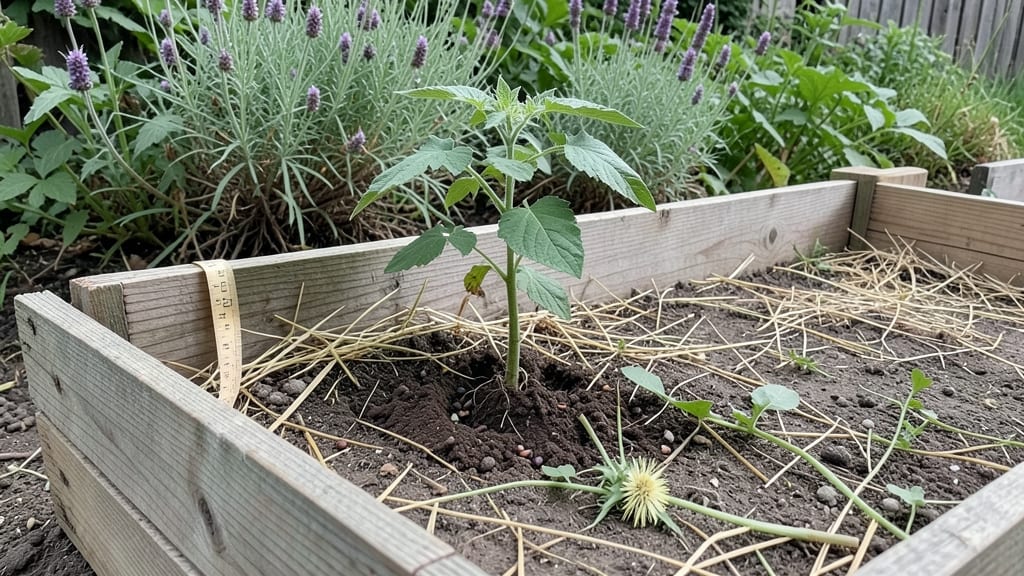
Determining garden bed measurements starts with widths of 3 to 4 feet for easy reach, with lengths tailored to your available space. Depth should be at least 6 inches, while raised beds commonly use 4x8-foot frames for efficiency and in-ground beds adapt to specific plant needs.
Choosing the right dimensions isn't just about fitting plants—it's about optimizing their growth.
A 3- to 4-foot width lets you weed and harvest without stepping into the bed, reducing soil compaction. 🌱 For raised beds, the 4x8-foot standard works perfectly with lumber sizes and minimizes material waste, while deeper beds (10+ inches) support root crops like carrots or potatoes.
In-ground beds can stretch longer but may need irrigation adjustments for uniform moisture distribution.
Your space and plant types will dictate the best approach. For example, leafy greens thrive in shallower beds, while tomatoes need deeper soil to support their sprawling roots.
Urban gardeners often opt for vertical or modular designs to maximize square footage—think tiered planters or fabric-lined beds that fit snugly against walls.
💡 In This Article
- Optimal Garden Bed Dimensions for Plant Growth
- Designing Custom Garden Beds for Small Spaces
Optimal garden bed dimensions for plant growth
Here's what's actually happening in your garden bed: the 3-4 foot width isn't arbitrary—it matches the average person's arm reach, allowing you to tend plants without stepping on soil and compacting it. Studies show soil compaction reduces root oxygen by up to 30%, stunting growth.
This width also creates ideal microclimates where air circulates better around plants, reducing fungal diseases like powdery mildew that thrive in stagnant air. 🌿
Depth matters more than most gardeners realize. The standard 6-inch minimum works for herbs and shallow-rooted veggies, but potatoes and carrots need 12-18 inches of loose soil to prevent forked roots.
Raised beds solve this by offering consistent depth throughout, while in-ground beds often require amending native soil to 10+ inches for optimal root development. The science behind this? Roots need space to explore for water and nutrients—deeper beds create a larger soil volume where beneficial microbes can thrive.
Vegetables and flowers have different spatial needs. Leafy greens like lettuce or spinach thrive in 6-inch deep beds with 12-inch spacing between plants, while tomatoes need 18-inch spacing and 12-inch depth for their extensive root systems.
Flowers often tolerate shallower beds but benefit from wider spacing (18-24 inches) to prevent competition. The key factor is matching plant size to available space—crowding leads to weaker stems and increased pest susceptibility.
Accessibility considerations often get overlooked. For wheelchair users, beds should be 4 feet wide with 3-foot paths> between them for maneuverability. Children or shorter gardeners benefit from 2-foot wide beds that can be reached without stretching.
This isn't just about convenience—proper ergonomics reduce back strain by 40% during maintenance tasks. The 4x8-foot raised bed standard exists because it balances these factors with material efficiency (standard lumber sizes minimize cutting).
Soil quality changes dramatically with bed type. Raised beds warm up 2-3 weeks earlier> in spring because they absorb heat from surrounding air, while in-ground beds maintain more consistent moisture levels. The trade-off?
Raised beds require more frequent watering (drying out 30% faster> in hot weather) but give you complete control over soil composition. For heavy clay soils, raised beds can transform poor drainage into ideal growing conditions by allowing you to mix in 30% compost> by volume.
What most people don't realize is how bed orientation affects growth. North-south alignment maximizes sunlight exposure (critical for photosynthesis), while east-west beds can create 20°F temperature variations> across the bed.
This matters because many vegetables have optimal temperature ranges—tomatoes grow best between 70-85°F, while leafy greens prefer 60-70°F. Proper orientation turns your garden into a precision-growing environment rather than a hit-or-miss experiment. ✨