
Tools
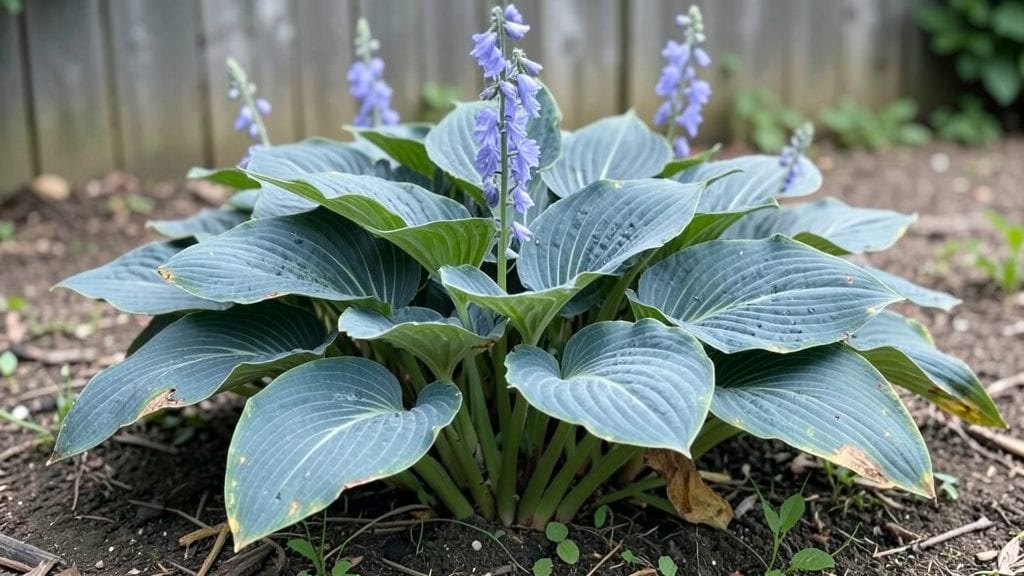
A garden around your house isn't just landscaping—it's a living privacy screen that works harder than a fence. I designed mine to block nosy neighbors while giving me year-round color, fragrance, and even a quiet corner for morning coffee.
The key is layering plants by height and function so every inch feels intentional.
Start with a perennial foundation—think boxwoods or holly for structure, then add climbers like clematis or wisteria to soften the look. Mix in low-maintenance ground covers (like creeping thyme) between stepping stones for pathways that stay weed-free.
The best part? You can zone it: herbs near the kitchen, seating tucked under a trellis, and a pollinator patch at the back.
By summer, you'll have a lush border that feels like a retreat, not just greenery. The tall plants (like arborvitae) block views, while mid-height shrubs (like hydrangeas) add seasonal blooms, and creeping plants fill gaps without work. Even in winter, evergreens keep the space cozy and private.
Works for any yard size—small urban lots or sprawling backyards. The layout adapts to your space while keeping the same permaculture principles. Ready to turn your house edges into a functional, beautiful border?
📚 In This Guide
- What you need
- Instructions
- Tips and common mistakes
- Wrapping up and next steps
What you need
- ● Soil & Amendments: Topsoil (2–4 cubic yards, depending on garden size)
- ● Compost (1–2 bags or 1 cubic yard for nutrient-rich soil)
- ● Organic mulch (wood chips, straw, or leaves—5–10 bags)
- ● Plants & Seeds: Native shrubs/trees (e.g., arborvitae, holly, or fruit-bearing trees—5–10 plants)
- ● Perennials (lavender, hostas, or ornamental grasses—10–20 plants)
- ● Fast-growing vines (e.g., clematis, ivy, or wisteria—2–4 plants)
- ● Seed packets (for annuals like sunflowers or marigolds—5–10 packets)
- ● Hardware & Structures: Trellises or arbor frames (2–4, depending on vine coverage goals)
- ● Garden stakes or fencing (if needed for support—10–20 stakes)
- ● Gravel or pavers (for pathways—1–2 bags or 50 sq. ft.)
- ● Must-Haves: Shovel & spade (for digging)
- ● Garden trowel (for precision planting)
- ● Pruners (bypass or anvil type)
- ● Wheelbarrow (for hauling soil/mulch)
- ● Measuring tape & string (for layout)
- ○ Nice-to-Haves (Optional): Soil pH tester (to optimize plant health)
- ● Drip irrigation kit (for low-maintenance watering)
- ● Kneeling pad (for comfort during planting)
- ● Garden gloves (to protect your hands)
- ● Check local zoning laws (especially for fencing/trees).
- ● Test your soil (free kits available at extension offices!).
- ● Plan for sunlight/shade patterns (sketch a rough layout first).
- ● Budget for water access (hose, rain barrel, or irrigation).
Step-by-Step instructions for designing a permaculture-inspired garden around your house
Here’s how to create a functional, beautiful garden that enhances privacy and thrives year-round.
Assess Sunlight and Existing Features
Start by mapping your yard’s sunlight patterns. Walk through each side of your house at different times of day—note where the sun hits hardest and where shadows linger. This determines where to place sun-loving plants like roses or lavender and where shade-tolerant options like ferns or hostas will thrive. I always sketch a rough layout on graph paper, marking north, south, east, and west exposures. This step prevents costly mistakes later.
Next, observe your home’s existing features: windows, doors, and outdoor living spaces. A garden that frames a patio or deck creates a seamless transition between indoor and outdoor living. For example, tall evergreens like arborvitae along a fence line provide year-round privacy, while climbing vines on trellises near windows add greenery and soften the view. Pay attention to utility lines and drainage—avoid planting near downspouts or underground pipes.
Plan Zones for Functionality and Aesthetics
Divide your garden into four zones based on permaculture principles: the immediate use zone (right next to the house), the utility zone (paths, storage, or outdoor kitchens), the orchard or shrub zone, and the wildlife or decorative zone (farthest from the house). I like to dedicate the closest 3-foot band to low-maintenance ground covers like creeping thyme or sedum, which suppress weeds and add texture. This zone also works well for small perennials or seasonal annuals that brighten up the space without requiring constant attention.
In the utility zone, design wide paths (at least 3 feet wide) for easy access, especially if you plan to use wheelbarrows or gardening tools. Mulch these paths with gravel or decomposed granite to prevent erosion and keep weeds down. For the orchard or shrub zone, group plants by their water and sunlight needs—this reduces maintenance and ensures everything thrives. For example, place hydrangeas and azaleas together in partial shade with consistent moisture.
Layer Plants for Year-Round Interest
Create depth and visual appeal by layering plants in three tiers: tall (trees and shrubs), medium (shrubs and perennials), and low (ground covers and bulbs). Start with tall evergreens like boxwood or holly along property lines for privacy and structure. These plants act as a backdrop for the rest of your garden. Next, add medium-height shrubs like butterfly bush or lilac for seasonal blooms and fragrance. Finally, fill the front with low-growing perennials like ajuga or heuchera for color and texture.
Incorporate seasonal interest by mixing plants with different bloom times. For example, early spring bulbs like daffodils pop up before leaves emerge, summer annuals like impatiens provide color through the heat, and fall foliage plants like Japanese maple add warmth as temperatures cool. I always include a few evergreen grasses like fountain grass or carex for movement and texture, even in winter. This ensures your garden stays vibrant no matter the season.
Install Hardscaping for Structure and Flow
Define your garden’s layout with hardscaping elements like stone borders, wooden arbors, or brick pathways. These not only add structure but also guide the eye and create a sense of order. For example, a curved stone border can soften the edge of a patio while keeping mulch contained. If you’re working with a sloped yard, consider terracing to prevent erosion and create level planting areas. I’ve found that raised beds along the house also elevate plantings, making them easier to access and reducing soil compaction.
Add seating or decorative elements like a bench, birdbath, or small fountain to enhance usability and beauty. These features make the garden feel like an extension of your home. For instance, a bench tucked under a flowering tree becomes a cozy spot for morning coffee, while a birdbath attracts wildlife and adds life to the space. Keep hardscaping materials consistent—mix stone, wood, and metal for a cohesive look that stands the test of time.
Mulch and Maintain for Long-Term Success
Once planted, apply a 3-inch layer of mulch around all plants to retain moisture, suppress weeds, and regulate soil temperature. I prefer organic mulches like shredded bark or wood chips because they break down over time, enriching the soil. Avoid piling mulch directly against tree trunks or shrubs—keep it 2-3 inches away to prevent rot. Replenish mulch annually or as it decomposes to maintain its benefits.
Water deeply but infrequently to encourage deep root growth. Most established gardens need 1 inch of water per week, either from rainfall or irrigation. I set up a drip irrigation system along the base of plants to deliver water slowly and efficiently. This method reduces waste and ensures roots get the moisture they need without encouraging fungal diseases. Finally, prune plants as needed to maintain shape and encourage healthy growth—always use clean, sharp tools to avoid damaging stems.
Tips & tricks for perfecting your permaculture-inspired garden layout
Creating a functional and beautiful garden around your house takes thoughtful planning. Here are my best tips to help you avoid common mistakes and maximize your garden's potential.
Sunlight Mapping: In Step 1, when assessing sunlight, I recommend using a simple app or taking photos at different times of day to track sun movement. This visual record helps you identify microclimates in your yard that might not be obvious during a single walkthrough. For example, you might discover a north-facing corner that stays cooler longer, perfect for shade-loving plants like ferns or hostas.
Zone Planning: When implementing the four zones in Step 2, I suggest starting with the immediate use zone first. This area gets the most attention and should include plants that require regular maintenance or harvesting. For instance, if you plan to grow herbs or vegetables here, make sure they're easily accessible from your kitchen. The utility zone paths should be at least 3 feet wide to comfortably accommodate wheelbarrows and gardening tools, but I've found that 4 feet works even better for larger equipment.
Plant Layering: In Step 3, when layering plants, think vertically as well as horizontally. Tall evergreens like arborvitae or boxwood create a natural privacy screen, while medium-height shrubs like butterfly bush add seasonal interest. Don't forget to incorporate climbing plants like clematis or roses on trellises or arbors to utilize vertical space. This three-dimensional approach creates depth and visual interest while maximizing your garden's potential.
Hardscaping Materials: For Step 4, when selecting hardscaping materials, consider both aesthetics and functionality. Stone borders are durable and low-maintenance, while wooden arbors add a touch of rustic charm. I recommend using locally sourced materials when possible—they'll blend better with your landscape and often require less maintenance. For pathways, permeable materials like gravel or decomposed granite allow water to drain through, preventing erosion and reducing runoff.
Pro Tips for Garden Around House
- Creating a functional and beautiful garden around your house takes thoughtful planning.
- Sunlight Mapping: In Step 1, when assessing sunlight, I recommend using a simple app or taking photos at different times of day to track sun movement.
- Zone Planning: When implementing the four zones in Step 2, I suggest starting with the immediate use zone first.
Frequently asked questions
Got questions about creating a lush, functional garden around your house? Here are some answers to help you plan with confidence!
How much space do I need for a garden around my house?
A garden around your house can work in any size—even narrow yards! For privacy, aim for at least 3–5 feet of width along fences or windows. If space is tight, vertical gardens (trellises, climbing vines) or layered shrubs can maximize impact. Start small and expand as you gain confidence!
When is the best time to plant a garden around my house?
The ideal time depends on your climate, but early spring or fall are the sweet spots. These seasons offer cooler temps and moisture, reducing stress on plants. Perennials (like lavender or boxwood) can go in late fall, while annuals (e.g., sunflowers) thrive in spring. Pro tip: Check your local frost dates for precision!
What’s the most cost-effective way to start?
Skip expensive nursery plants! Begin with cuttings, seeds, or free plant swaps from neighbors. Mulch (wood chips or straw) retains moisture and suppresses weeds—saving you time and money. Repurpose materials like pallets for raised beds or old bricks as edging. Bonus: Native plants often require less water and care!
How do I keep pests out of my garden without chemicals?
Prevention is key! Use companion planting (e.g., marigolds deter pests), introduce beneficial insects (like ladybugs), and maintain healthy soil with compost. Physical barriers (row covers, netting) work wonders for veggies. Quick fix: Neem oil or soap spray tackles mild infestations naturally.
Can I still have privacy if I don’t want a dense hedge?
Mix fast-growing trees (e.g., bamboo or willow) with ornamental grasses or evergreen shrubs for texture. Add climbing roses or jasmine on trellises for height and fragrance. Layered plants create visual depth—even in small spaces. Design hack: Tall plants at the back, medium in the middle, and low ground covers up front!
Wrapping up and next steps
Creating a garden around your house with permaculture principles isn’t just about beauty—it’s about crafting a thriving, low-maintenance ecosystem that enhances privacy, sustainability, and joy year-round. 🌿 From selecting the right plants to designing functional zones, every step brings you closer to a space that feels like a natural retreat.
The best part? You don’t need a green thumb—just curiosity and a willingness to start small.
Ready to transform your outdoor space? Pick one area to begin—whether it’s a shady corner for native shrubs or a sunny patch for edible perennials—and take that first step today! Your future self (and your neighbors) will thank you.