
Flowers
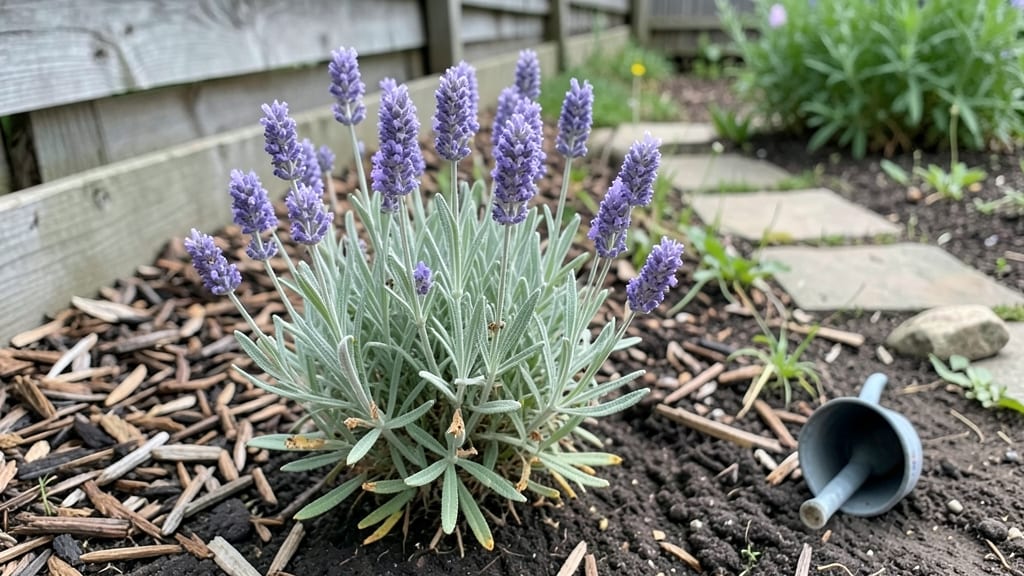
Fragrant flowers for gardens transform a simple yard into a living perfume factory. 🌿 The right mix of blooms—like sweet peas, roses, and gardenias—turns every stroll into a sensory journey, with scents that linger long after the petals fade.
I’ve designed borders that stay fragrant from spring’s first jasmine to autumn’s last rose, and the pollinators love them just as much as I do.
Start with a few key plants: lavender for its calming purple spikes, jasmine for its intoxicating evening scent, and dianthus for its clove-like fragrance. Pair them with tall lilacs for early spring color and mock orange for summer’s citrusy blooms.
The trick is layering heights and bloom times—no dead zones, just a continuous parade of color and scent.
By mid-summer, your garden will hum with bees and butterflies while filling the air with vanilla-like gardenias, honeyed honeysuckle, and the spicy notes of peonies. The best part?
These borders require minimal fuss—just good drainage, 6+ hours of sun, and occasional deadheading to keep the fragrance flowing. Even my black thumb keeps these thriving.
Works in any space—small city plots or sprawling country gardens. The secret is repetition: group 3-5 plants of each type together to amplify their scent. Now, let’s design your scent map—where will the first whiff greet you when you step outside?
📚 In This Guide
- What you need
- Instructions
- Tips and common mistakes
- Wrapping up and next steps
What you need
- ● Fragrant flower varieties (5–10 plants per type, depending on border size): Lavender (Lavandula spp.) – 3–5 plants (drought-tolerant, thrives in full sun)
- ● Dame’s Rocket (Hesperis matronalis) – 5–7 plants (self-seeds, loves partial shade)
- ● Sweet Alyssum (Lobularia maritima) – 10–15 plants (trailing, great for borders)
- ● Night-Scented Stock (Matthiola longipetala) – 3–5 plants (blooms in evening)
- ● Rose (Rosa spp., fragrant varieties like 'David Austin') – 1–2 shrubs (sun-loving, long-lived)
- ● Jasmine (Jasminum officinale or Jasminum sambac) – 1–2 climbing plants (needs trellis)
- ● Soil amendments (per 10 sq ft): Compost (2–3 gallons) – improves drainage and fertility
- ○ Perlite or sand (1–2 gallons, optional) – for sandy soil or heavy clay
- ● Mulch (2–3 inches): Pine straw, shredded bark, or composted wood chips (10–15 sq ft coverage)
- ● Garden trowel or spade
- ● Pruners (sterilized, sharp)
- ● Garden gloves (heavy-duty for digging)
- ● Watering can or hose with adjustable nozzle
- ● Measuring tape (for spacing plants evenly)
- ○ Garden kneeler or pad (optional, for comfort)
- ● Trellis or obelisk (for climbing jasmine or roses, if applicable)
- ● Sunlight: At least 6 hours of direct sun daily (most fragrant flowers thrive in full sun).
- ● Well-draining soil: Test soil pH (ideal: 6.0–7.0 for most flowers). Amend if needed.
- ● Water source: Easy access to water for initial planting and drought periods.
- ● Pollinator-friendly zone: Avoid pesticides—bees and butterflies are your garden’s best friends!
How to design a pollinator-friendly fragrant flower border
Here's the method I've perfected for a border that thrives all season with scent and life.
🌱 Step 1: Select and Prepare the Planting Site
Choose a location with at least 6 hours of sunlight daily—most fragrant flowers thrive in full sun. Test the soil by squeezing a handful: if it forms a tight ball, amend with 2-3 inches of compost to improve drainage. I always mark the border edges with landscape fabric to suppress weeds without chemicals.
Dig a trench 6 inches deep along the border line. This loosens compacted soil and encourages root development. For clay-heavy soil, mix in 1 part perlite per 3 parts soil to prevent waterlogging. The key is creating an environment where roots can breathe and spread freely.
☀️ Step 2: Choose a Fragrant, Pollinator-Focused Plant Palette
For year-round interest, I combine plants with staggered bloom times. Start with lavender (early summer) and roses (mid-summer), then add sage (late summer) and winter jasmine (fall/winter). Each plant should have 12-18 inches of spacing to allow air circulation and prevent disease.
Here's the thing—pollinators need both scent and nectar. Avoid single-species borders; mix in bee balm for hummingbirds and coneflowers for butterflies. The more diversity, the more wildlife your garden will attract. I always include at least 3 different plant types in each 4-foot section.
💧 Step 3: Plant and Mulch for Moisture Retention
Dig holes twice as wide as the root ball but only as deep. Place each plant so the top of the root ball sits level with the soil surface—burying too deep suffocates stems. Gently firm the soil around the roots and water deeply to eliminate air pockets.
Spread 2 inches of organic mulch (like shredded bark) over the entire border, keeping it 2 inches away from stems to prevent rot. Mulch conserves moisture, regulates soil temperature, and suppresses weeds—critical for fragrant flowers that often have delicate foliage. Water immediately after mulching to help it settle.
✂️ Step 4: Maintain Through the Growing Season
Deadhead spent blooms weekly to encourage continuous flowering. For example, pinch back lavender stems after they bloom to prevent seed formation and promote bushier growth. I always use clean, sharp pruners to avoid damaging stems—dull blades crush tissue and invite disease.
Fertilize once in early spring with a balanced, slow-release formula (10-10-10). Over-fertilizing fragrant flowers like roses leads to lush foliage but fewer blooms. Water deeply 2-3 times per week during dry spells, focusing on the root zone rather than overhead leaves to prevent fungal issues.
🪴 Step 5: Extend the Season with Strategic Additions
In late summer, add pansies or sweet alyssum to fill gaps and provide early spring color next year. These cold-hardy annuals bridge the gap between summer blooms and winter dormancy. I always plant them 3-4 weeks before the first frost to establish roots before cold sets in.
For winter interest, incorporate dormant stems like those of witch hazel or ornamental grasses. Their structure and subtle fragrance keep the border visually and olfactorily engaging even when most plants rest. A light dusting of mulch in fall insulates roots and protects against freeze-thaw cycles.
Tips & tricks for perfect pollinator-friendly flower borders
Creating a fragrant, pollinator-packed border takes more than just planting flowers—it's about setting up an ecosystem that thrives. Here are the secrets I've learned from years of trial and error that make all the difference.
Sunlight Strategy: That 6 hours of sunlight requirement isn't just a suggestion—it's non-negotiable for most fragrant flowers. I've seen lavender and roses struggle in anything less, producing fewer blooms and weaker scents. If your site gets partial shade, opt for more shade-tolerant options like clematis or dianthus (though they won't be as fragrant). For maximum impact, position your border where it gets morning sun and afternoon shade in hotter climates—this prevents wilting while still providing plenty of light.
Soil Science: The 2-3 inches of compost recommendation is your foundation for success. I always test soil pH first—most fragrant flowers prefer slightly alkaline soil (6.0-7.0). If your soil tests acidic, add crushed limestone to adjust before planting. For the 6-inch deep trench, use a border spade to create clean edges that won't compact over time. Pro tip: Mix in 1 part perlite not just for clay soil, but also for any heavy soil types—it creates tiny air pockets that prevent root rot in fragrant flowers.
Plant Spacing Secrets: Those 12-18 inches of spacing between plants might seem generous, but it's crucial for two reasons: First, it prevents fungal diseases by improving air circulation (critical for roses). Second, it gives roots room to establish without competing for nutrients. I always measure from the outer edge of the root ball to the next plant's edge—not the center. For taller plants like bee balm, space them at the wider end of the range (18 inches) to prevent them from shading shorter plants.
Mulch Mastery: The 2 inches of organic mulch should be your secret weapon for moisture retention and weed suppression. I've found that shredded cedar mulch works particularly well because it naturally repels pests that might target your fragrant flowers. That 2-inch clearance from stems is vital—too close and you risk rot. For extra insulation in winter, top with 3-4 inches of straw mulch in colder climates. Just remember to pull it back slightly in spring to prevent smothering emerging shoots.
Pro Tips for Fragrant Flowers For Garden
- Creating a fragrant, pollinator-packed border takes more than just planting flowers—it's about setting up an ecosystem that thrives.
- Sunlight Strategy: That 6 hours of sunlight requirement isn't just a suggestion—it's non-negotiable for most fragrant flowers.
- Soil Science: The 2-3 inches of compost recommendation is your foundation for success.
Frequently asked questions
Got questions about fragrant flowers?
You’re not alone! Here are answers to the most common queries to help you create a blooming, pollinator-friendly garden that smells as stunning as it looks.
Which fragrant flowers are best for attracting pollinators?
Prioritize native flowers like lavender, coneflowers, bee balm, and black-eyed Susans. These are pollinator magnets and often highly fragrant. Avoid hybrids bred for double blooms—they’re less accessible to bees and butterflies.
When is the best time to plant fragrant flowers for year-round blooms?
For perennial flowers, plant in early spring or fall when soil is workable but not frozen. Annuals like jasmine or sweet alyssum can go in after the last frost. Layer plants with staggered bloom times (e.g., daphnes in winter, roses in summer) for continuous fragrance.
How do I keep fragrant flowers smelling strong all season?
Deadhead spent blooms regularly to encourage reblooming, and trim leggy stems. Water at the base (not leaves) to prevent fungal issues, and mulch with organic matter to retain moisture. Avoid over-fertilizing—fragrant flowers often thrive in lean soil!
What are low-maintenance fragrant flowers for beginners?
Start with lavender (drought-tolerant), rosemary (herb + fragrance), or dianthus (climates with hot, dry summers). These require minimal care and reward you with intoxicating scents. Pair with cleome for a carefree, fragrant pop of color!
Why aren’t my fragrant flowers smelling as strong as they should?
Check for pests (aphids, spider mites) or diseases like powdery mildew, which can dull scent. Ensure they get 6+ hours of sunlight daily—shady spots weaken fragrance. Some flowers (like gardenia) need acidic soil; test your pH if scents are faint.
Can I grow fragrant flowers in containers?
Choose compact varieties like miniature roses, dwarf lavender, or trailing nasturtiums. Use well-draining soil and pots with drainage holes. Rotate containers for even sun exposure, and fertilize lightly with a balanced, organic blend.
Wrapping up and next steps
Transforming your garden into a fragrant, pollinator-friendly paradise is simpler—and more rewarding—than you think! 🌸 From lavender to jasmine, these blooms not only fill the air with natural perfume but also invite bees, butterflies, and hummingbirds to thrive.
Start small, experiment with layers, and watch your outdoor space become a sensory haven.
Ready to take the next step? Pick 3-5 fragrant favorites from this guide, sketch a simple border layout, and begin planting this weekend. Your garden—and its tiny visitors—will thank you! 🐝✨