
Tools
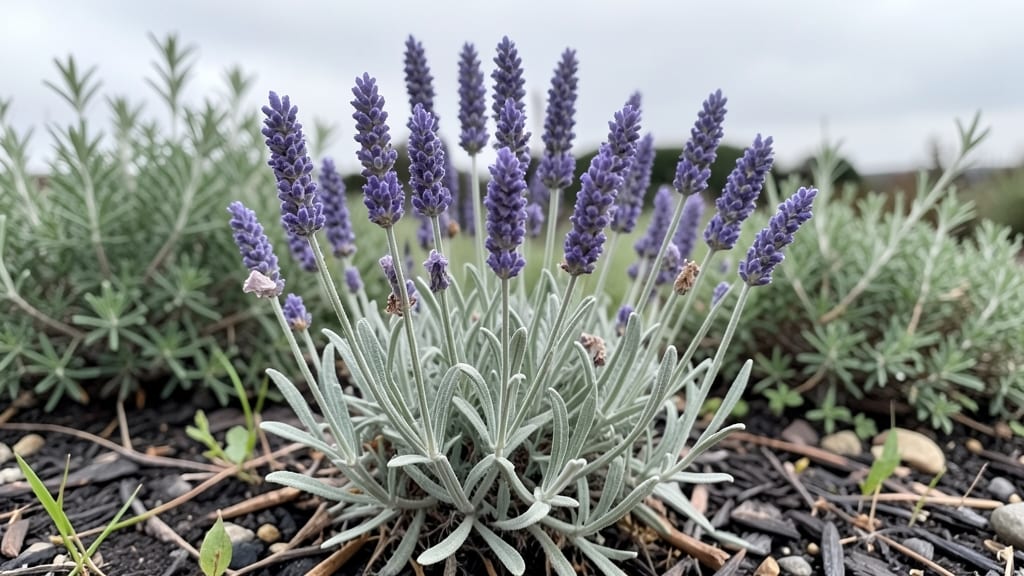
Creating a flowering herb garden that doubles as a pollinator paradise changes how you experience your yard. 🌿 I used to think herbs were just for the kitchen—until I realized lavender, borage, and chamomile could turn my sunny corner into a fragrant, buzzing oasis that works all year.
The magic happens with the right mix: tall plants like rosemary and thyme anchor the space, while cascading borage and violas spill over edges. Add a few edible flowers like nasturtiums or calendula for pops of color that taste as good as they look.
This isn’t just decoration—it’s a living ecosystem where bees, butterflies, and you all benefit.
By summer, you’ll have a garden that smells like a Mediterranean breeze, with blooms that attract pollinators by the dozens. The herbs stay productive for cooking, while the flowers add unexpected beauty. Even in winter, evergreen rosemary and woolly thyme keep the space lush and fragrant.
Works in containers, raised beds, or directly in the ground—adjust the layout based on your space. The key is balancing form and function, so every plant earns its place. Let’s design yours!
📚 In This Guide
- What you need
- Instructions
- Tips and common mistakes
- Wrapping up and next steps
What you need
- ● Herb & Flower Seeds/Potted Plants: 6–10 fragrant herb varieties (e.g., lavender, rosemary, thyme, mint, basil, oregano, lemon balm).
- ● 4–6 pollinator-friendly flowers (e.g., marigolds, nasturtiums, borage, or coneflowers).
- ● Garden Space: A sunny spot (6+ hours of sunlight daily) in a container, raised bed, or in-ground plot (minimum 4' x 4' for 10+ plants).
- ● Well-draining soil (or potting mix for containers).
- ● Basic Tools: 1 garden trowel (for planting).
- ● 1 pruners (sharp, for trimming).
- ● 1 watering can or hose (with a gentle spray nozzle).
- ● 1 gloves (to protect your hands).
- ● Fertilizer: 1 balanced organic fertilizer (e.g., 10-10-10 or compost).
- ● A mulch (straw or shredded bark) to retain moisture.
- ● Decorative garden markers (for labeling herbs).
- ● A trellis or stakes (if growing climbing herbs like mint or nasturtiums).
- ● Pest control: neem oil or companion planting guides.
- ● Seasonal additions: row covers (for cold climates) or shade cloth (for hot summers).
How to design a thriving flowering herb garden
Here’s the simple, sensory-rich approach I’ve used to create fragrant, pollinator-friendly herb gardens that bloom year-round.
🌱 Step 1: Choose Your Herb and Flower Pairings
Start with 4 herbs that naturally attract pollinators: lavender, rosemary, thyme, and borage. These thrive together because they share similar sunlight and soil needs while offering diverse textures and fragrances. Lavender’s silvery foliage and purple blooms pair beautifully with borage’s star-shaped blue flowers, which bees adore.
Add 1-2 pollinator magnets like nasturtiums or marigolds for extra color and pest control. I always plant these around the edges of my herb beds—it creates a natural border that keeps beneficial insects lingering. The key is balance: no single plant should overpower the others visually or in scent.
☀️ Step 2: Select the Perfect Sunlit Spot
Flowering herbs need 6+ hours of direct sunlight daily—no compromising here. A south-facing location with afternoon sun works best, but even east-facing spots can work if you supplement with a small grow light during cloudy stretches. I’ve seen rosemary and lavender wilt when shaded, so test your spot for at least 2 weeks before planting.
Watch for microclimates: a spot near a brick wall may stay warmer, while one near a tree might get afternoon shade. If your garden has partial shade, opt for shade-tolerant herbs like mint or lemon balm instead of sun-lovers like oregano. The soil should feel warm to the touch by mid-morning—that’s your signal it’s ready.
🪴 Step 3: Prepare Raised Beds or Containers
Use 4 raised beds (12" deep x 24" wide) or individual 8-inch pots for each herb. Raised beds warm up faster in spring and drain better, which herbs love. Fill them with 3 gallons of well-draining potting mix mixed with 1 cup perlite—this prevents soggy roots that rot delicate herb stems.
Add 1 tablespoon of compost to each planting hole before placing your herbs. Press the soil gently around the roots but don’t pack it down. The goal is loose, airy soil that lets roots spread easily. Water lightly after planting, then wait until the top inch feels dry before watering again—overwatering at this stage smothers new growth.
💧 Step 4: Water and Mulch for Year-Round Blooms
Water deeply 2-3 times per week in summer, aiming for 1 inch of water total. In winter, reduce to once every 7-10 days unless it rains. The best time to water is early morning—this prevents fungal issues and lets foliage dry quickly. You’ll know you’ve got it right when the soil feels moist 2 inches down but not soggy.
Spread 2 inches of mulch (like straw or shredded bark) around each plant to lock in moisture and keep roots cool. Mulch also suppresses weeds, which compete for nutrients. Replenish it every 3-4 months—you’ll notice fewer browned leaves and more consistent blooms when the roots stay happy.
✂️ Step 5: Prune and Harvest for Continuous Growth
Pinch back new growth by ⅓ when stems reach 4-6 inches tall to encourage bushier plants. This also triggers more flowering. For lavender, trim spent blooms in early summer to promote a second flush of flowers. With herbs like rosemary, harvest sprigs from the tips—this stimulates new growth lower down.
Harvest in the morning after dew dries for the strongest fragrance. Never take more than ⅓ of the plant at once, or you’ll shock the roots. If you notice leggy stems or sparse blooms, it’s time to fertilize lightly with a balanced organic feed—just ½ teaspoon per plant every 6 weeks in growing season.
Tips & tricks for a thriving flowering herb garden
Creating a fragrant, pollinator-friendly herb garden takes just a few thoughtful adjustments—here's how to make every step count.
Herb Pairing Secrets: In Step 1, when selecting your 4 herbs, I've found that planting lavender and rosemary together creates a natural pest-repellent duo—their strong scents deter many common garden pests. For extra fragrance, add a small patch of lemon balm near the thyme; the citrus notes complement each other beautifully while attracting beneficial insects. The key is to space them about 12-18 inches apart to allow airflow and prevent fungal issues.
Sunlight Strategy: When testing your spot in Step 2, pay special attention to afternoon shade patterns—this is when most herbs need their full sun. I've seen rosemary and lavender struggle even with morning sun if they get shaded after 2pm. For containers, place them on a rolling cart so you can move them to follow the sun's path throughout the day. A simple trick: if your thumb feels warm on the soil by mid-morning, your herbs will thrive there.
Container Size Matters: In Step 3, those 8-inch pots might seem small, but they're perfect for single herb plants. The tight space actually encourages bushier growth in herbs like thyme and rosemary. For larger varieties like borage, use the 12" deep raised beds—the extra depth gives their roots room to establish before summer heat arrives. I've noticed that herbs in containers dry out faster, so check the soil moisture daily during hot spells.
Watering Wisdom: The 2-3 times weekly watering in Step 4 works best when you water deeply each time. I use a rain gauge to measure exactly 1 inch of water—this prevents both underwatering and overwatering. For containers, I've found that watering in the morning and again in the evening helps maintain consistent moisture without causing root rot. The soil should feel like a wrung-out sponge at 2 inches down after watering.
Pro Tips for Flowering Herb Garden
- Creating a fragrant, pollinator-friendly herb garden takes just a few thoughtful adjustments—here's how to make every step count.
- Herb Pairing Secrets: In Step 1, when selecting your 4 herbs, I've found that planting lavender and rosemary together creates a natural pest-repellent duo—their strong scents deter many common garden pests.
- Sunlight Strategy: When testing your spot in Step 2, pay special attention to afternoon shade patterns—this is when most herbs need their full sun.
Frequently asked questions
Got questions about creating your own flowering herb garden? You’re not alone! Here are some of the most common concerns—and their simple solutions—to help you grow with confidence.
What’s the best time of year to plant a flowering herb garden?
For most flowering herbs like lavender, borage, or chamomile, spring (after the last frost) is ideal. However, fall planting works too—just choose cold-hardy varieties (e.g., thyme, oregano) and give them time to establish roots before winter. If you’re in a warm climate, late summer can also be a great window for heat-tolerant herbs like rosemary or lemon balm.
How long does it take for flowering herbs to bloom?
Bloom times vary! Fast growers like basil or dill may flower in 4–6 weeks, while perennials like lavender or calendula can take 2–3 months (or even longer for full color). For consistent blooms, deadhead spent flowers regularly—this encourages new growth and prolongs the flowering season.
Will a flowering herb garden attract pests instead of pollinators?
Not if you plan it right! Pollinator-friendly herbs like bee balm, marjoram, and chives draw bees, butterflies, and hummingbirds. To deter pests, avoid overcrowding and choose disease-resistant varieties. A diverse mix of herbs (e.g., mint alongside rosemary) also confuses pests naturally.
How much water do flowering herbs need?
Most flowering herbs are drought-tolerant once established, but young plants need 1 inch of water per week. Let soil dry out between waterings—overwatering can rot roots! Group herbs with similar needs (e.g., lavender and rosemary love dry soil, while chamomile prefers slightly moist conditions). Mulch lightly to retain moisture without suffocating roots.
Can I grow flowering herbs in containers?
Containers
are perfect for herbs like thyme, borage, or nasturtiums. Use pots with drainage holes and well-draining soil (a mix of potting soil + perlite works well). For larger herbs (e.g., lavender), choose wide, shallow containers—they hate crowded roots. Just ensure containers get 6+ hours of sunlight daily.
What if my herbs stop flowering?
Don’t panic! Over-fertilizing (especially with nitrogen) can boost foliage but halt blooms. Switch to a balanced or low-nitrogen fertilizer (like 5-10-10). Also, check for shady spots—most flowering herbs need full sun (6+ hours). If the issue persists, try pruning back 1/3 of the plant to encourage new growth and flowers.
Wrapping up and next steps
Creating a flowering herb garden is a rewarding way to enjoy year-round fragrance, support pollinators, and elevate your outdoor space—without sacrificing practicality. Whether you’re a seasoned gardener or just starting, this blend of beauty and function proves that herbs don’t have to be purely utilitarian. 🌿✨
Now that you’re armed with the right tools, tips, and answers, it’s time to roll up your sleeves! Start small with a single bed or expand your vision—every step forward brings you closer to a thriving, fragrant sanctuary.
Ready to dive in? Grab your gloves and let your garden bloom—literally and figuratively!