
Container Gardens
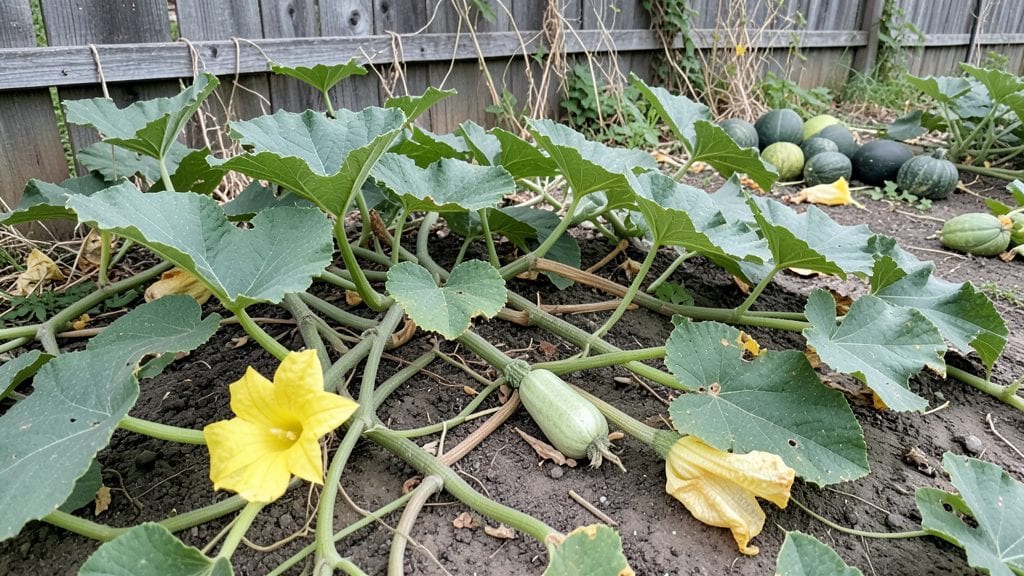
A thriving container garden squash delivers surprisingly large harvests in just 8–10 weeks—perfect for balconies, patios, or small urban spaces where yard space is limited. 🌱 I’ve grown bush varieties in 5-gallon buckets for years, and the right setup makes all the difference. turns what seems like a big-plant challenge into a foolproof summer staple.
The key is choosing compact varieties like 'Eight Ball' or 'Patio Star' that thrive in restricted root zones while producing abundant fruit.
You’ll need containers with at least 10-15 gallons of space per plant (bigger is better for larger varieties), drainage holes to prevent root rot, and a well-draining potting mix blended with compost for fertility.
Most garden centers sell pre-mixed vegetable blends, but adding a handful of worm castings gives an extra boost. Place containers where they’ll get 6-8 hours of full sun daily—partial shade leads to leggy plants and poor fruit set.
By midsummer, you’ll be harvesting 3-5 pound squash from a single container, with plants that stay compact and manageable. The secret is consistent moisture—containers dry out faster than in-ground beds—so check soil daily during heatwaves.
A balanced organic fertilizer applied every 3 weeks keeps vines vigorous without overloading the small root system.
This method works for both bush and vining types (with trellising), and troubleshooting common issues like powdery mildew or blossom-end rot is simpler in containers. Let’s get those squash growing—your kitchen will thank you by August!
📚 In This Guide
- What you need
- Instructions
- Tips and common mistakes
- Wrapping up and next steps
What you need
- ● Container: Minimum 5-gallon size (bigger is better—10+ gallons for bush varieties, 20+ gallons for vining types like butternut or spaghetti squash).
- ● Material: Plastic, fabric, or wood (ensure drainage holes are present or drill them yourself!).
- ● Growing Medium: High-quality potting mix (avoid garden soil—it compacts and drains poorly). Look for blends labeled for vegetables or containers.
- ● Compost or worm castings (1 cup per container to boost nutrients).
- ● Squash Seeds or Seedlings: Container-friendly varieties: Bush varieties (e.g., ‘Eight Ball’ zucchini, ‘Patio Star’ crookneck) or compact vining types (e.g., ‘Waltham Butternut’).
- ● Quantity: 1–2 seeds per container (or 1 seedling).
- ● Basic Tools: Trowel or small shovel
- ○ Gloves (optional but recommended)
- ● Support System: Small cage or trellis (for vining varieties to save space).
- ● Fabric row covers (to protect from pests or cool nights).
- ● Fertilizer: Balanced liquid fertilizer (e.g., 10-10-10) or compost tea (apply every 2–3 weeks).
- ● Mulch: Straw or shredded leaves (to retain moisture and suppress weeds).
- ● Self-watering system: Drip irrigation or a wicking bed kit (for consistent moisture in hot climates).
Step-by-Step guide to growing container garden squash
Transform limited space into a productive squash patch with these space-saving techniques.
🪴 Step 1: Select the Right Containers and Drainage System
Choose 5-gallon fabric grow bags or large plastic containers with multiple drainage holes—squash vines need room to sprawl but roots hate soggy soil. I always opt for black containers because they absorb heat, which bush squash varieties like 'Eight Ball' or 'Patty Pan' love. If using pots, ensure each has a minimum 12-inch diameter to accommodate spreading roots.
Line the bottom with 1 inch of gravel for drainage, then add a layer of biodegradable landscape fabric to prevent soil from washing out while still allowing water flow. This dual-layer system keeps roots oxygenated and prevents rot—critical for squash, which wilts quickly when roots suffocate.
🌱 Step 2: Prepare Soil and Plant Seeds at Optimal Depth
Fill containers with 2 gallons of high-quality potting mix mixed with 1 cup of compost—squash is hungry and needs nutrient-rich soil. I blend in a handful of slow-release fertilizer (10-10-10) to feed vines throughout the season. Moisten the mix until it feels like a damp sponge—too dry and seeds won’t germinate, too wet and they’ll rot.
Plant 3-4 seeds per container, spaced 1 inch apart and 1 inch deep. Squash seeds germinate best in warm soil (70-85°F), so I use a seedling heat mat if nighttime temps dip below 60°F. Water gently after planting—just enough to settle soil around seeds without displacing them.
☀️ Step 3: Provide Support and Consistent Sunlight
As seedlings emerge (7-10 days), install a 5-foot tomato cage or wire trellis immediately—squash vines grow aggressively and need support to climb. I weave vines through the cage as they grow, training them upward to save space. Without support, vines sprawl everywhere, crowding out other plants and making harvest difficult.
Place containers in full sun (6+ hours daily)—squash needs intense light to produce heavy fruit. If your space gets only 4-5 hours, supplement with a grow light for 14 hours daily. Watch for pale, leggy growth—this means light is insufficient. Strong squash plants have dark green leaves and sturdy stems that don’t flop over.
💧 Step 4: Water Deeply and Fertilize Regularly
Water deeply 2-3 times per week, soaking the entire root zone until water runs out the drainage holes. Squash roots grow deep, so surface watering encourages shallow roots that struggle in containers. I always water in the morning to reduce fungal risks—wet leaves at night invite mildew, which can wipe out plants in weeks.
Feed plants every 3-4 weeks with liquid fertilizer (fish emulsion or seaweed extract). You’ll see larger leaves and more flowers within days of fertilizing. Stop feeding once fruits form—too much nitrogen now makes plants prioritize foliage over squash production.
✂️ Step 5: Prune and Harvest for Continuous Production
Prune yellow or diseased leaves immediately—they drain energy from the plant. I also pinch off early blooms if the plant looks stressed; this redirects energy to root and vine growth, leading to healthier, larger harvests later. Squash flowers are self-pollinating, but a gentle shake of the plant in the morning helps ensure fruit set.
Harvest when squash reach full size (check seed packet for variety-specific timing). Use a sharp knife to cut stems—twisting can damage the vine. Bush varieties like 'Eight Ball' produce round, compact fruits in 60-70 days; vining types like 'Zucchini' need 55-65 days. Harvest regularly—overripe squash turns woody and bitter, and a single missed harvest slows future production.
Tips & tricks for perfect container garden squash
A few simple strategies will help you maximize your compact space and transform it into a thriving squash garden that produces abundant harvests.
Container Selection: Don't underestimate the importance of container material. While plastic containers are durable, black fabric grow bags actually absorb more sunlight, which is crucial for squash varieties like 'Eight Ball' that thrive in warmth. If using pots, ensure they have a minimum 12-inch diameter—any smaller and your squash roots will become root-bound, stunting growth. I've seen dramatic differences in yield when using the right container size and color.
Soil Temperature Secret: In Step 2, you'll want to maintain soil temperatures between 70-85°F for optimal germination. If your nighttime temperatures dip below 60°F, use a seedling heat mat—this simple tool can make the difference between successful germination and failed seeds. I've had containers sit for weeks waiting for seeds to sprout when the soil was too cold, only to watch them pop up within days after adding the heat mat.
Light Supplement Strategy: When Step 3 mentions supplementing with grow lights for 14 hours daily, I recommend positioning the light just 6-12 inches above the plants. This closer distance ensures your squash gets the intense light it needs for heavy fruit production. You'll notice the difference in leaf color—plants under proper light develop that vibrant, dark green hue we want, rather than pale, leggy growth that indicates light deprivation.
Watering Technique: The deep watering method in Step 4 is critical, but timing matters just as much. Always water in the morning to allow foliage to dry completely before evening. This simple habit prevents powdery mildew, which can devastate your plants within weeks. I've lost entire containers to mildew when I ignored this basic rule—don't make my mistake!
Pro Tips for Container Garden Squash
- A few simple strategies will help you maximize your compact space and transform it into a thriving squash garden that produces abundant harvests.
- Container Selection: Don't underestimate the importance of container material.
- Soil Temperature Secret: In Step 2, you'll want to maintain soil temperatures between 70-85°F for optimal germination.
Frequently asked questions
Got questions about growing squash in containers? You're not alone!
Here are answers to the most common concerns—from timing to troubleshooting—to help you grow a thriving, space-saving harvest.
What’s the best type of squash for container gardening?
Look for compact varieties like bush-type zucchini (e.g., 'Eight Ball' or 'Patio Star') or small winter squash (e.g., 'Sugar Loaf' or 'Baby Blue Hubbard'). These stay manageable in 5-gallon pots or larger, while vining types (like spaghetti squash) need trellises and bigger containers (10+ gallons). Avoid giant pumpkins—they’re heavy and sprawling!
How long does it take for container-grown squash to produce?
Most squash varieties mature in 45–60 days from transplanting, but container-grown plants may take 1–2 weeks longer due to limited root space. Start seeds indoors 3–4 weeks before your last frost date, then transplant seedlings into containers when soil warms to 60°F+. Patience pays off—your first zucchini could appear as early as 50 days!
Why isn’t my container squash flowering or fruiting?
Common culprits include insufficient sunlight (6+ hours daily), underwatering, or poor soil nutrients. Check your plant’s needs:
- Light: Move to a sunnier spot if leaves look pale or leggy.
- Water: Keep soil consistently moist (1–2 inches deep). Containers dry out faster!
- Fertilizer: Feed with a balanced organic fertilizer (10-10-10) every 2–3 weeks once flowers appear.
If male flowers (long stems, no fruit) dominate, hand-pollinate by transferring pollen from male to female blooms (the one with a tiny squash at the base) with a paintbrush.
Can I reuse the same container for squash year after year?
Yes, but sanitize and refresh it first! Squash can harbor pests or diseases. After harvest:
- Scrub the container with soapy water and rinse.
- Disinfect with a 10% bleach solution (1 part bleach to 9 parts water), then rinse thoroughly.
- Replace the top 2–3 inches of soil or repot with fresh, nutrient-rich mix.
Rotate crops annually to prevent soil depletion or disease buildup.
What’s the best way to harvest and store container-grown squash?
Harvest when squash is firm, glossy, and reaches full size (check variety tags). Use a sharp knife or pruners to avoid damaging vines. For summer squash (zucchini), pick every 2–3 days to encourage more production. Store in a cool, dry place (50–55°F):
- Summer squash: 5–7 days in the fridge.
- Winter squash: 1–3 months in a dark, well-ventilated area.
Pro tip: Leave a 1-inch stem on winter squash to extend shelf life!
Wrapping up and next steps
Growing squash in containers is a rewarding way to enjoy fresh, homegrown produce—even in small spaces! 🌱 With the right variety, soil, and care, you’ll harvest juicy zucchini or sweet summer squash in just a few months.
Whether you’re a beginner or a seasoned gardener, container gardening makes it easier than ever to grow your own food.
Ready to dive in? Start by picking your favorite squash variety, gathering your supplies, and giving your plants the love they need. Soon, you’ll be feasting on homegrown squash straight from your balcony or patio! 🍽️