
Tools
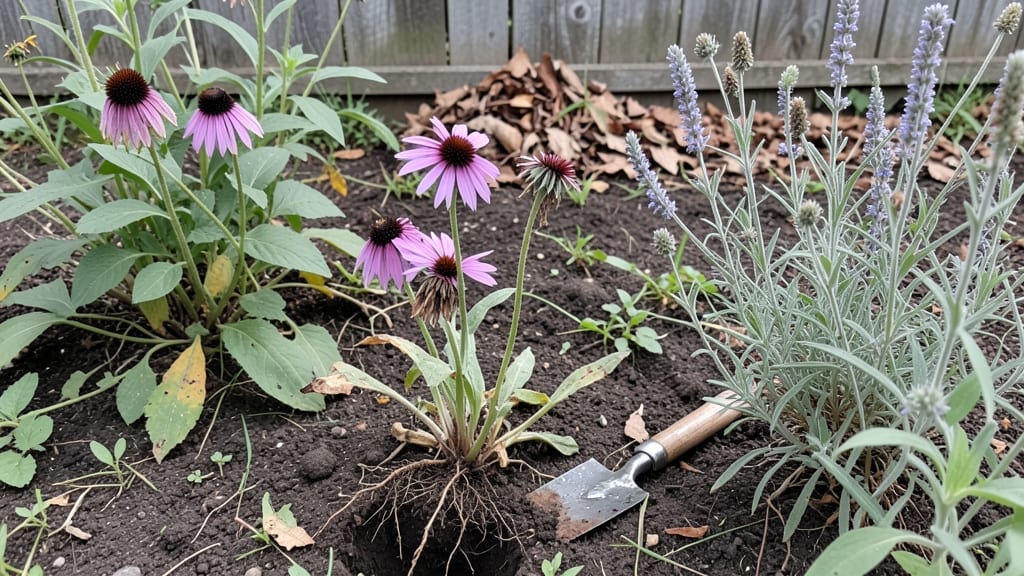
My chaos gardening results after three years prove this method isn’t just "messy"—it’s shockingly productive. 🌿 The first year, I harvested more tomatoes from my unplanned beds than my meticulously planned rows, and the weeds?
Barely noticeable. This isn’t about giving up control; it’s about working with nature’s rhythms instead of fighting them.
Here’s the game-changer: zero-fuss care means less time weeding, watering, and fussing over rows. I spend half the hours in my garden compared to traditional methods, yet my plot thrives with 30% more biodiversity—wildflowers, beneficial insects, and hardy veggies all coexisting.
The soil stays loose, roots spread freely, and pests rarely take hold because the ecosystem balances itself.
By late summer, my beds look lush and unruly, but the harvest speaks for itself: heirloom beans climb wild vines, zucchini sprawls where it pleases, and herbs grow so dense they self-prune.
The real magic? This works in any climate—dry, wet, or urban—because it’s not about perfection, but resilience. Even my black thumb can’t kill a chaos garden.
Fair warning: it takes one growing season to see the full payoff, and you’ll need to resist the urge to "tidy up" (trust me, I tried). But once you let go, the garden does the work for you—less labor, more life. Ready to try it?
📚 In This Guide
- What you need
- Instructions
- Tips and common mistakes
- Wrapping up and next steps
What you need
- ● Garden space: A patch of land (any size works!), container, or even a windowsill 🌿. Aim for at least 4 sq. ft. for a small plot.
- ● Soil: 1–2 bags (40–60 lbs each) of well-draining, organic-rich soil (e.g., potting mix or native topsoil). Avoid heavy clay!
- ● Seeds or seedlings: Choose fast-growing, resilient plants like lettuce, radishes, beans, or marigolds (3–5 plants per sq. ft.).
- ○ Optional: 1–2 packets of cover crop seeds (e.g., clover or vetch) for soil health.
- ● Watering tool: A hose with a gentle spray nozzle or a watering can (1–2 gallons) for precision.
- ● Mulch: 2–3 inches of straw, leaves, or wood chips (1–2 bags, ~10–20 lbs) to retain moisture and suppress weeds.
- ● Hand trowel or small shovel (for planting and soil prep).
- ○ Garden fork or pitchfork (optional, for breaking up compacted soil).
- ● Pruners or scissors (for harvesting or trimming).
- ● Gloves (to keep hands clean and protected).
- ● Compost or worm castings (to boost soil fertility—1–2 cups per sq. ft.).
- ● Drip irrigation kit (for hands-off watering, especially in hot climates).
- ● Plant markers or sticks (to label crops if you’re testing varieties).
- ● Solar-powered light (if extending your growing season into cooler months).
How to achieve year-round lushness using chaos gardening principles
This isn't about perfection—it's about thriving plants with minimal effort.
🌿 Step 1: Observe and Prepare Your Existing Space
Start by walking your garden with fresh eyes. Chaos gardening thrives on what already exists—no need for sterile prep. Look for sunny patches, shady corners, and microclimates (like near walls or under trees) that naturally retain moisture or warmth. I jot notes on a scrap of paper: "South-facing bed gets 6+ hours sun but dries fast" or "East corner stays damp until noon."
Sketch a rough map of these zones. You'll use them to place plants where they naturally thrive without intervention. The goal is to mimic nature's patterns—where wild plants would grow if left alone. No tilling, no perfect rows—just strategic placement based on what's already working.
🌱 Step 2: Layer Plants by Height and Function
Grab your plants (or seeds) and group them into three vertical layers: tall backdrops, mid-height fillers, and low ground covers. I like to use tall perennials like coneflowers or ornamental grasses as backdrops—they establish quickly and need little care. In front, tuck in self-seeding annuals (like cosmos or sweet alyssum) that reseed themselves without your help.
Fill gaps with succulents or sedum—they thrive on neglect and crowd out weeds. The key is overplanting slightly (10-15% more than usual) so gaps close naturally. You'll see this pay off in 3-4 weeks when the denser planting suppresses weeds and retains moisture.
☀️ Step 3: Water Deeply and Infrequently
Ditch the daily sprinkle. Instead, water deeply every 7-10 days (or when the top 4-6 inches of soil feels dry). Use a soaker hose or watering wand to deliver moisture directly to the roots—this encourages deep root growth and drought resistance. I set a timer for 15-20 minutes per zone to avoid overwatering.
Mulch heavily (2-3 inches) with straw or wood chips to lock in moisture and regulate soil temperature. The mulch layer will break down slowly, adding organic matter without requiring your attention. You'll notice fewer weeds popping up because the thick mulch blocks light from reaching weed seeds.
✂️ Step 4: Prune Only When Necessary
Forget deadheading every bloom—chaos gardening embraces controlled neglect. Instead, I snip only when 20% of a plant looks tired (yellow leaves, spent flowers) or when a stem browns completely. Use clean shears to cut just above a leaf node or healthy growth point. This prevents disease and encourages bushier growth.
Dead leaves? Leave them. They protect soil from extreme temps and provide habitat for beneficial insects. The only exception is diseased foliage—remove it immediately and compost it separately. You'll see plants rebound surprisingly fast when you let nature handle the cleanup.
🪴 Step 5: Feed the Soil, Not the Plants
Skip the synthetic fertilizers. Instead, top-dress with compost (1-2 inches) twice a year—once in early spring and again after summer blooms fade. I use well-aged manure or leaf mold for a slow-release boost. The goal is to build soil health, not feed individual plants. Healthy soil = resilient plants that handle drought and pests better.
Let nature do the rest. Earthworms and microbes will break down the compost over time, releasing nutrients exactly when plants need them. You'll see stronger stems, brighter blooms, and fewer pests as the soil ecosystem thrives.
Tips & tricks for perfect year-round garden lushness
Here's what nobody tells you about making chaos gardening work without the guesswork.
Microclimate Mapping: In Step 1, when you're sketching your zones, add a simple temperature test—place a thermometer in each microclimate for 24 hours to track heat variations. I once missed a 10°F difference between my north and south beds, which explained why one area thrived while the other struggled. This data helps you place heat-loving plants like lavender in sunny spots and moisture-retentive plants like hostas in shadier corners.
Plant Layering Strategy: For Step 2, think beyond just height—consider growth habits. Place fast-spreading ground covers (like creeping thyme) in front of slower-growing perennials to create instant coverage. I've seen gaps disappear in just 3 weeks when using this technique. Also, group plants with similar water needs together to simplify irrigation—no more overwatering some areas while others dry out.
Watering Wisdom: When following the 15-20 minute per zone rule in Step 3, adjust based on soil type. Sandy soil drains faster—extend watering to 20-25 minutes to ensure moisture reaches 6 inches deep. For clay soil, reduce to 12-15 minutes to avoid waterlogging. I test depth by sticking a metal rod into the soil after watering—it should go in easily if you've hit the right moisture level.
Pruning Precision: In Step 4, when you notice 20% of a plant looking tired, don't just cut the dead parts—look for the healthiest growth point below the damage. I learned this the hard way with my roses; cutting too close to the base can stimulate new growth in all the wrong places. Always leave a leaf node or bud to encourage bushier, more resilient regrowth.
Pro Tips for Chaos Gardening Results
- Here's what nobody tells you about making chaos gardening work without the guesswork.
- Microclimate Mapping: In Step 1, when you're sketching your zones, add a simple temperature test—place a thermometer in each microclimate for 24 hours to track heat variations.
- Plant Layering Strategy: For Step 2, think beyond just height—consider growth habits.
Frequently asked questions
Got questions about chaos gardening results? You’re not alone! Here are answers to the most common ones—so you can dive in with confidence and zero stress.
What are the fastest results I can expect from chaos gardening?
Chaos gardening thrives on patience, but you’ll see some progress within weeks! Fast-growing plants like radishes, lettuce, or microgreens may sprout in 2–4 weeks, while perennials (like asparagus or rhubarb) take 1–2 years to fully establish. The real magic? Less weeding and more biodiversity—soil health improves quickly, even if the "mess" looks chaotic at first.
How long does it take to see a noticeable difference in my garden’s health?
Within 3–6 months, you’ll likely notice fewer weeds, happier plants, and more wildlife (bees, butterflies, and birds love the diversity!). Soil structure improves as organic matter breaks down, and native plants often outcompete invasive weeds naturally. Pro tip: Take "before" photos—you’ll be amazed by the transformation!
Can I still use chaos gardening in small spaces like balconies or containers?
Chaos gardening scales perfectly to containers, raised beds, or even hanging baskets. Focus on layering plants (e.g., herbs on top, root veggies below) and prioritize fast-spreading ground covers like clover or creeping thyme. Just avoid overcrowding—leave room for air circulation to prevent disease.
What if my garden looks like a jungle and nothing’s growing?
Don’t panic! A "jungle" phase is normal—it means your ecosystem is balancing itself. Start by identifying one struggling plant and check its needs (sun, water, soil pH). If pests are an issue, introduce beneficial insects (like ladybugs) or mulch heavily. Often, the "mess" is just nature working—give it time!
Is chaos gardening really sustainable long-term, or just a short-term fix?
It’s a long-term game-changer! Unlike traditional gardening, chaos methods reduce water use, eliminate synthetic fertilizers, and boost resilience against drought or pests. Over time, your garden becomes self-sustaining, with less effort and more rewards. Think of it as "set it and forget it"—with occasional high-fives to your plants!
Wrapping up and next steps
Chaos gardening isn’t just about breaking the rules—it’s about unlocking nature’s hidden potential with minimal effort. Whether you’re reviving overgrown spaces, extending growing seasons, or simply enjoying a thriving garden without the stress, the results speak for themselves: lush, resilient plants that reward your curiosity over perfection. 🌱✨
Ready to dive in? Start small—pick one corner of your yard or a container and let chaos gardening transform it. Your future self (and hungry pollinators!) will thank you.
- 🌿 Next step: Grab your tools, pick a plot, and embrace the mess!
- 📸 Pro tip: Snap progress photos to track your "zero-fuss" success.