
Advice
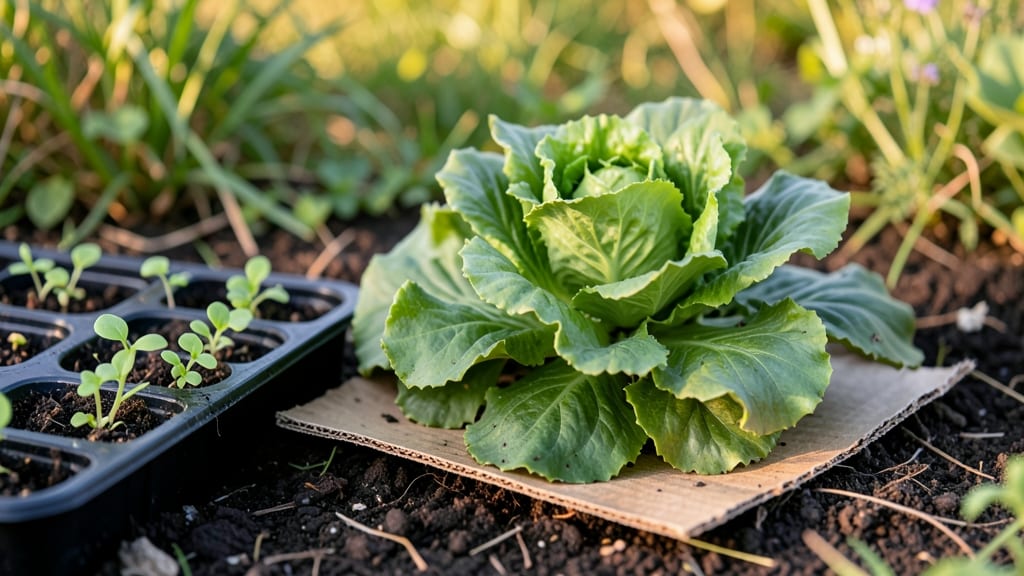
You can use cardboard in your garden safely as a mulch or weed barrier when it's plain, free of ink, and fully buried or covered with soil. This method prevents mold while allowing it to decompose slowly, adding carbon-rich nutrients to the soil—but improper use may attract pests.
Cardboard acts as a natural soil amendment because it's mostly cellulose, which breaks down into organic matter over time. 🌱 When buried, it suppresses weeds by blocking sunlight while still allowing water and air to penetrate.
Unlike synthetic mulches, it eventually enriches the soil with carbon, promoting microbial activity that improves long-term fertility. Just avoid glossy or colored cardboard—those coatings can introduce harmful chemicals.
For best results, tear cardboard into strips and layer it flat under plants, ensuring edges are buried or covered. This prevents pests like rodents from nesting while still letting beneficial organisms break it down. I’ve found that combining cardboard with compost creates an even richer soil blend over time.
💡 In This Article
- How Cardboard Decomposes and Boosts Garden Soil
- Preparing Cardboard for Safe Garden Use
How cardboard decomposes and boosts garden soil
When you bury untreated cardboard in your garden, it undergoes a slow but transformative decomposition process. Cardboard is primarily made of cellulose fibers (about 80-90% of its composition), which serve as a carbon-rich food source for soil microbes like bacteria and fungi.
These microorganisms break down the cellulose into simpler organic compounds, gradually converting it into humus—a dark, nutrient-dense material that improves soil structure. This process can take anywhere from 3-12 months, depending on moisture, temperature, and microbial activity in your soil.
The decomposition rate varies significantly compared to other organic mulches. Straw, for example, breaks down in 1-3 months due to its higher nitrogen content, while newspaper (another cellulose-based material) decomposes at a similar pace to cardboard but may contain residual inks that can leach chemicals.
Cardboard’s slow breakdown makes it ideal for long-term soil improvement, especially in heavy clay soils where it helps loosen compacted particles by creating air pockets as it decomposes. 🌱
One of the most practical benefits is weed suppression. Cardboard blocks about 95% of sunlight when properly layered, preventing weed seeds from germinating while still allowing water and air to penetrate.
The edges of the cardboard should be buried or covered with 2-3 inches of soil to prevent light from creeping in and to discourage pests like rodents or insects from nesting.
Over time, as the cardboard decomposes, it releases carbon into the soil, which stimulates beneficial microbial activity and enhances nutrient availability for plants.
However, the decomposition process isn’t without its nuances. If your cardboard has glossy coatings or colored inks, these can introduce harmful chemicals like chlorine or heavy metals into the soil. Always opt for plain, uncoated cardboard from sources like cereal boxes or shipping boxes.
Additionally, cardboard left exposed to air for too long can develop mold, which is why burying it immediately is critical. The key is balancing its slow decomposition with immediate weed suppression benefits.
For a visual comparison, imagine layering cardboard like a lasagna: start with a 1-inch layer of compost on top of the cardboard, followed by mulch or soil. This setup not only suppresses weeds but also creates a micro-environment where beneficial fungi and bacteria thrive.
Over time, the cardboard’s structure will physically improve soil aeration, making it easier for plant roots to penetrate dense soil layers. The result is a garden bed that’s both weed-free and richer in organic matter—without the need for synthetic amendments.
What most gardeners don’t realize is that cardboard’s decomposition also influences soil pH levels. As the cellulose breaks down, it releases organic acids that can slightly acidify the soil (pH 6.0-6.5), which is ideal for many vegetables like tomatoes and peppers.
This natural acidification occurs gradually, giving you time to monitor and adjust if needed. For acid-loving plants like blueberries, you might even see enhanced growth after a few months of using cardboard mulch. ✨