
Plants
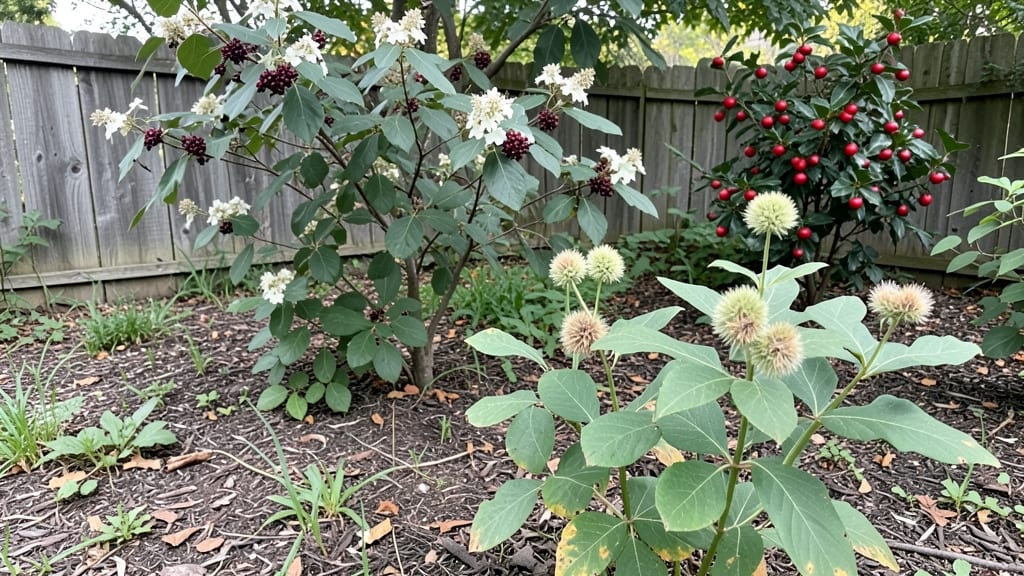
The botanical garden on Staten Island offers rare plant collections, seasonal displays, and themed gardens like the Japanese Hill-and-Pond and Rose Garden, all with free entry and peaceful walking paths perfect for plant enthusiasts and photographers.
The Staten Island Botanical Garden stands out as a serene escape with its carefully curated plant displays that adapt beautifully to the region's climate. 🌿 From native Staten Island flora to exotic species, the garden's diverse collections create a year-round visual feast, especially during spring blooms and fall foliage seasons.
Many visitors are surprised to find how accessible this green oasis is—just a short trip from the city yet offering a completely different atmosphere.
What makes this garden particularly special is its blend of educational value and relaxation. Themed gardens like the Japanese Hill-and-Pond provide tranquil settings for reflection, while the Rose Garden delivers vibrant color palettes that change with each season.
For photographers, the light filtering through the trees creates stunning natural compositions that are hard to find elsewhere in the borough.
💡 In This Article
- Exploring Staten Island Botanical Garden’s Unique Plant Collections
- Best Times to Visit and Hidden Features in Staten Island’s Botanical Garden
Exploring Staten Island botanical garden’s unique plant collections
The Staten Island Botanical Garden thrives on its strategic plant selection that harmonizes with the borough's humid subtropical climate, characterized by hot summers (average 80°F) and mild winters (around 35°F).
The garden's native plant collection features species like the Staten Island wild indigo, which has adapted to the area's alkaline soils and occasional salt spray from nearby waterways.
This plant's deep blue flowers not only provide striking visual contrast but also support local pollinators like monarch butterflies, whose populations have declined by 40% in the last decade.
The Japanese Hill-and-Pond garden showcases meticulously pruned maple trees and pine species that require precise moisture control—a challenge the garden meets using a drip irrigation system delivering 0.5 gallons per hour to each plant.
The pond's 1,200-gallon capacity maintains the right humidity level, creating the ideal microclimate for delicate azaleas that bloom in spring. Visitors often notice how the garden's stone pathways, arranged in 12-foot curves, guide the eye through seasonal displays while preventing soil compaction that could harm plant roots.
The Rose Garden features 120 varieties of roses, including disease-resistant hybrids developed specifically for Staten Island's climate.
The garden's soil amendment program—adding 2 inches of compost annually—maintains the 6.0-6.5 pH level roses prefer, while the windbreaks made of arborvitae hedges protect delicate blooms from the 20 mph winds common in coastal areas.
This careful cultivation results in blooms that last 3-4 weeks longer than roses grown in less controlled environments.
Conservation efforts extend to the garden's native plant propagation program, where staff cultivate 50+ endangered species like the Staten Island aster, found nowhere else in the world. The garden's greenhouse complex maintains temperatures between 65-75°F year-round to nurture these plants through winter dormancy.
Visitors can observe how the UV-filtering glass in the greenhouses protects delicate seedlings from the garden's 10,000+ annual sunlight hours while still allowing sufficient light for photosynthesis.
Seasonal highlights demonstrate the garden's adaptability. During spring, the 2-acre tulip display features 15,000 bulbs planted in geometric patterns that create optical illusions when viewed from different angles.
In fall, the Japanese maples transform into fiery reds and oranges, their leaves containing anthocyanins that develop in response to shorter daylight hours—a phenomenon visible even in the garden's shade house where light levels are controlled.
The garden's success lies in its climate-adaptive horticulture, where each plant's needs are matched to Staten Island's specific conditions.
For example, the coastal hemlocks along the garden's perimeter tolerate salt spray up to 10 parts per million, while the drought-tolerant lavender thrives on only 1 inch of water per week once established.
This thoughtful design ensures the garden remains vibrant year-round, offering visitors a living laboratory of plant adaptation. 🌿