
Pests
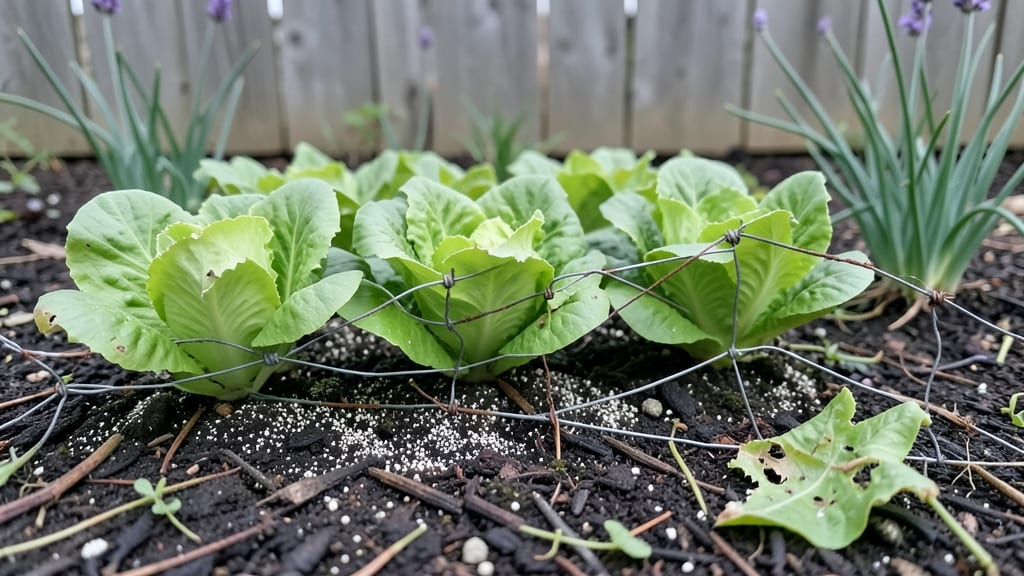
The best way to keep bunnies out of your garden combines physical barriers, repellents, and smart landscaping: use a 12-inch-tall chicken wire fence buried 6 inches deep, apply commercial rabbit deterrents like Liquid Fence, and plant strong-smelling herbs such as lavender or rosemary. Regular inspections for gaps and mulch reinforcements in vulnerable spots complete the defense.
The key to rabbit-proofing your garden lies in stopping them before they even reach your plants. 🌿 Bunnies are persistent diggers, so a fence alone won't always work—you need to combine it with scent-based deterrents that disrupt their foraging instincts.
I've found that hardware cloth (not chicken wire) works better long-term because rabbits can chew through wire, but it's more expensive upfront. For repellents, commercial options like Liquid Fence last longer than DIY sprays, though they require reapplication after rain.
The buried depth of your fence matters most—bunnies can tunnel under shallow barriers, so 6 inches is non-negotiable for stubborn gardeners.
Natural deterrents like lavender or rosemary add an extra layer of protection without harsh chemicals. These herbs release scents that rabbits dislike, but they work best when combined with other methods. 💛 The real secret?
Consistency—check your fence weekly for new holes and refresh repellents every 4-6 weeks or after heavy rain. Even the best systems need maintenance, but this approach has kept my vegetable patch rabbit-free for three growing seasons.
💡 In This Article
- How Rabbit-Resistant Fencing Works
- Natural vs Commercial Rabbit Repellents
How rabbit-resistant fencing works
Rabbit-resistant fencing relies on three critical factors: height, burial depth, and material strength. Bunnies can jump up to 12 inches vertically and dig tunnels 6 inches deep to bypass weak barriers. The key is creating a physical barrier that accounts for their natural behaviors—jumping and burrowing.
A fence that's too short or not buried properly becomes useless, as rabbits will simply hop over or dig underneath. 🔥
Material choice matters significantly. Chicken wire (19-gauge) is affordable but rabbits can chew through it over time, especially if they're determined. Hardware cloth (18- or 16-gauge) is far more durable, with tightly woven 1-inch squares that prevent even the most persistent diggers from squeezing through.
For large properties, electric fencing (with low-voltage pulses) can be effective, though it requires more maintenance and isn't ideal for vegetable gardens where children or pets might wander.
The burial depth of 6 inches is non-negotiable because rabbits can dig with surprising efficiency. Their powerful hind legs generate enough force to move soil quickly, and they'll target weak points like fence bases.
Adding a bendable metal flashing strip along the buried edge creates an additional barrier that's nearly impossible to tunnel under. This extra layer is what separates temporary solutions from long-term protection.
Physical barriers outperform chemical deterrents because rabbits quickly adapt to scents. While repellents might work for a few weeks, a determined bunny will eventually ignore them—especially if food is nearby. The fence provides an immediate, unbreakable stop that doesn't rely on the rabbit's cooperation.
However, combining fencing with repellents creates a multi-layered defense that's far more effective than either method alone.
Consider this cost comparison for a 10-foot section:
- Chicken wire: $15-20 (short-term, needs reinforcement)
- Hardware cloth: $30-40 (long-term, durable)
- Electric fencing: $50-70 (high maintenance, best for large areas)
For most gardeners, hardware cloth offers the best balance of durability and cost-effectiveness. The initial investment pays off within a single growing season by preventing crop loss. 💫
Pro tip: Install fence posts every 3-4 feet to prevent sagging, and use galvanized hardware to resist rust. Bunnies are clever—they'll exploit any weakness in your defense system.