
Vegetables
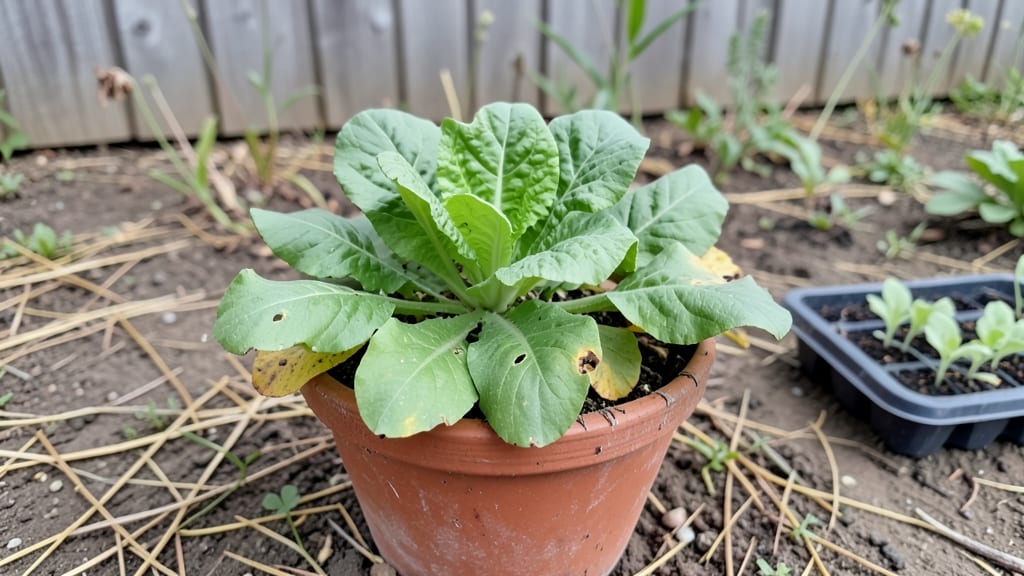
Balcony vegetable gardening for beginners starts with the right containers and plants—because even a 6-foot space can grow enough for fresh salads all summer. 🌱 I’ve packed my tiny balcony with cherry tomatoes, basil, and lettuce using just three 5-gallon pots and a self-watering planter.
The secret isn’t fancy setups; it’s choosing plants that thrive in small spaces and matching them to sunlight spots.
You’ll need containers with drainage holes, lightweight potting mix, and a sunny spot for at least 6 hours a day. Herbs like thyme and parsley tolerate shade, while tomatoes and peppers demand full sun.
I’ve even grown peppers in hanging baskets—just swap out the soil every year to keep nutrients fresh. Most beginners overwater, so stick your finger in the soil before watering; it should feel dry an inch down.
By mid-July, you’ll be harvesting crisp lettuce, sweet cherry tomatoes, and fragrant basil for sandwiches. The best part? No weeds, no bending over, and no excuses for store-bought greens when your balcony’s producing better.
Plus, the neighbors will ask how you do it—so you’ll have bragging rights too. Ready to turn that concrete jungle into a salad bowl?
This works for any balcony size, from studio railings to full-width decks. Even if your space gets afternoon shade, we’ll adjust the plant list. Let’s get those containers filled and growing!
Common Culprits Behind Balcony Garden Struggles
Even the most enthusiastic balcony gardener can hit snags—whether it’s wilted herbs, stunted tomatoes, or pests moving in like uninvited guests. Understanding why these issues pop up is half the battle.
Below, we break down the science and real-world triggers behind the most frustrating balcony garden problems, so you can tackle them head-on.
Balconies are like Goldilocks zones—too hot, too cold, or too shady, and your plants throw a fit. Here’s the breakdown:
- Too Much Heat: Direct afternoon sun (especially in summer) can scorch leaves, causing crispy edges or yellowing. Why? High temperatures increase transpiration (water loss through leaves) faster than roots can absorb water, leading to osmotic stress. Plants may also produce ethylene gas as a stress response, accelerating wilting.
- Too Little Light: North-facing balconies or deep shade from buildings rob plants of photosynthesis energy. Without enough chlorophyll production, growth stalls, and leaves turn pale or yellow (chlorosis). Leafy greens like spinach survive, but fruiting plants (tomatoes, peppers) bolt or produce poorly.
- Cold Snaps: Temperatures below 40°F (4°C) can trigger cold stress, causing cell membranes to rupture. Plants may develop chilling injury—water-soaked spots, blackened tissue, or stunted roots. Evergreens like basil or parsley are especially vulnerable.
Actionable Fix: Use reflective mulch (white gravel or aluminum foil) to bounce light onto shaded areas. For heat, provide dappled shade with sheer curtains or mesh. Move tender plants indoors during cold snaps or cover them with frost blankets.
Water is the lifeblood of your garden, but balconies often swing between drought and soggy soil—neither is ideal. Here’s the science:
- Underwatering: When soil dries out, roots struggle to absorb water, causing xylem cavitation (air bubbles blocking water transport). Leaves wilt, then turn crispy or brown at the edges. Root death follows if severe, as roots suffocate without moisture.
- Overwatering: Poor drainage in containers leads to anaerobic conditions (lack of oxygen in soil), where roots can’t respire. This triggers root rot from fungi like Phytophthora or Pythium. Yellow leaves, foul smells, and mushy stems are red flags.
- Inconsistent Watering: Plants like herbs and tomatoes prefer even moisture. Fluctuations cause osmotic shock, where cells lose or gain water too quickly, leading to blossom-end rot (in tomatoes) or leaf drop.
Actionable Fix:
- Use self-watering containers with drainage holes.
- Water at the base (not leaves) in the morning to reduce evaporation.
- Check soil moisture with your finger—top 1 inch should be dry for most veggies.
Balconies aren’t isolated—they’re part of the urban ecosystem, and critters love free meals. Here’s how they exploit your garden:
| Pest/Disease | Why It Thrives | Science Behind the Damage |
|---|---|---|
| 🐜 Aphids | Soft, new growth (like basil or bean shoots) is their favorite. | They inject toxic saliva while feeding, causing curl leaf and honeydew (a sugary waste that attracts mold). |
| 🍄 Powdery Mildew | High humidity + poor airflow (common in crowded pots). | Fungal spores germinate on leaf surfaces, creating a mycelial mat that blocks sunlight, leading to chlorosis. |
| 🐛 Slugs/Snails | Moist soil and nighttime activity (they’re nocturnal!). | They scrape off epidermis (outer leaf layer), exposing spongy tissue to desiccation and bacterial rot. |
| 🕷️ Spider Mites | Dry, dusty conditions (common in hot balconies). | They pierce cells to suck sap, causing stippling (tiny white/yellow dots) and webbing that traps moisture for fungal growth. |
Actionable Fix:
- Use neem oil (disrupts insect hormones) or insecticidal soap for soft-bodied pests.
- Space plants 3–6 inches apart for airflow to prevent mildew.
- Set up beer traps (slugs are alcohol lovers!) or use copper tape around pots.
Potting mix isn’t the same as garden soil—and neglecting nutrients leads to sad, stunted plants. Here’s what’s really happening:
- Poor Drainage: Compacted or clay-heavy mixes block oxygen, causing root asphyxiation. Roots turn brown/black as they suffocate, and anaerobic bacteria release toxic byproducts like ethanol.
- Nutrient Deficiencies:
- Nitrogen (N) deficiency: Pale yellow leaves (oldest first) = plant can’t produce chlorophyll.
- Phosphorus (P) deficiency: Dark green leaves with purple stems = poor energy transfer for root/growth.
- Potassium (K) deficiency: Brown leaf edges = weak osmoregulation (can’t hold water).
- pH Problems: Most veggies thrive at 6.0–7.0 pH. Too acidic (<5.5) locks out phosphorus; too alkaline (>7.5) blocks iron/zinc, causing interveinal chlorosis (yellow between veins).
Actionable Fix:
- Use a well-draining mix (50% potting soil, 30% perlite, 20% compost).
- Fertilize with a balanced formula (10-10-10) every 4–6 weeks.
- Test pH with a soil kit
Fixing Common Balcony Garden Mistakes
Balcony gardening is rewarding, but even small issues can derail your green thumb dreams. Don’t worry—most problems have simple fixes! Below, we’ve mapped common challenges to practical solutions, so you can keep your plants thriving with minimal stress.
Problem: Water pools at the bottom of pots, roots rot, and plants wilt despite regular watering. Fix:
- Repot with better drainage 🔥: Choose containers with drainage holes (or drill them yourself). If your pots are decorative, place them inside larger pots with gravel or broken pottery at the bottom to catch excess water.
- Amend your soil 🍳: Mix in perlite, vermiculite, or coconut coir (20-30%) to improve aeration. Avoid compacted garden soil—it holds too much moisture.
- Test your soil 🌡️: Stick your finger 1-2 inches deep after watering. If it’s soggy for hours, your drainage needs work.
Prevention Tips: ✔ Water deeply but less often—let the top inch dry out before watering again. ✔ Use self-watering pots if you travel frequently (they regulate moisture automatically). ✔ Group plants by water needs (e.g., herbs like basil need more frequent watering than succulents).
Problem: Leaves curl, edges brown, or plants droop despite enough water. Fix:
- Shade cloth or umbrellas 👨🍳: If your balcony gets harsh afternoon sun, drape a lightweight shade cloth (30-50% coverage) or use a DIY umbrella with reflective material underneath to bounce heat away.
- Mulch like a pro 🥘: Spread 1-2 inches of organic mulch (straw, wood chips) on soil to retain moisture and cool roots.
- Water at the right time ⏰: Early morning (6–9 AM) is ideal—water evaporates slower, and plants absorb it before the heat peaks.
Prevention Tips: ✔ Choose heat-tolerant veggies like okra, Swiss chard, or cherry tomatoes for hot climates. ✔ Upgrade to terracotta pots—they breathe better than plastic, reducing root stress. ✔ Mist leaves (lightly!) on super-hot days to raise humidity temporarily.
Problem: Aphids, spider mites, or slugs munch on your greens, leaving holes or sticky residue. Fix:
- Neem oil spray 🔪: Mix 1 tsp neem oil + 1 tsp mild soap + 1 quart water. Spray on leaves (test on a small area first). Reapply every 5–7 days. Kills pests but won’t harm plants or pollinators.
- DIY garlic-chili spray 🌶️: Blend 2 garlic cloves + 1 chili pepper + 1L water. Strain and spray on affected areas. The smell repels soft-bodied pests.
- Copper tape barrier 🛡️: Wrap copper tape around pot edges to deter slugs and snails (they get a mild electric shock).
Prevention Tips: ✔ Inspect new plants before bringing them home—quarantine for 2 weeks to spot hitchhiking pests. ✔ Encourage predator bugs like ladybugs or lacewings by planting marigolds or dill nearby. ✔ Clean up debris—fallen leaves or dead plants attract pests.
Problem: Yellow leaves, weak stems, or slow growth despite proper watering. Fix: - Fertilize right 💪: Use a balanced liquid fertilizer (10-10-10 or 5-5-5) every 2–4 weeks during growing season.
For veggies, switch to a high-nitrogen feed (like fish emulsion) when flowering starts. - Epsom salt boost 🥗: For magnesium deficiency (yellow leaves with green veins), dissolve 1 tbsp Epsom salt in a gallon of water and spray foliage monthly. - Compost tea 🍎: Brew a batch of compost tea (steep compost in water for 24–48 hours, strain) to add microbes and nutrients naturally.
Prevention Tips: ✔ Rotate crops—don’t plant the same veggie in the same pot year after year (exhausts soil). ✔ Use slow-release granules mixed into soil for steady nutrition. ✔ Check pH—most veggies thrive in slightly acidic soil (pH 6.0–7.0). Test kits are cheap and easy!
Problem: Mushy stems (overwatered) or crispy edges (underwatered). Fix: - The finger test 👆: Stick your finger 1–2 inches into the soil. If it’s dry, water; if damp, wait.
Overwatering is the #1 killer—pots need drying between waterings! - Adjust pot size 📊: Smaller pots dry out faster; larger pots hold moisture longer.
Match pot size to plant needs (e.g., herbs in 6" pots, tomatoes in 12"+). - Group by thirst 🎯: Place water-loving plants (lettuce, spinach) together and drought-tolerant ones (peppers, eggplant) separately.
Prevention Tips: ✔ Weigh your pots—if they feel light, they need water. ✔ Use moisture meters ($10 devices that tell you exactly when to water). ✔ Water at the base—avoid wetting leaves to prevent fungal diseases.
Frequently asked questions
1What are the best beginner-friendly vegetables for small balconies?
Start with compact varieties like cherry tomatoes, leaf lettuce, spinach, radishes, and green onions. Herbs such as basil, parsley, and chives thrive in 6-inch pots and need minimal space. These plants tolerate container life, mature quickly, and don’t require deep root zones.
2How much sunlight do balcony vegetables really need?
Most vegetables need at least 6 hours of direct sunlight daily, but leafy greens like kale or Swiss chard can handle 4-5 hours. South or west-facing balconies get the most sun, while north-facing ones may need reflective surfaces (like white walls) to maximize light. Rotate pots weekly for even growth.
3Can I grow vegetables in hanging planters on a balcony?
Try strawberries, cherry tomatoes, peppers, and herbs like thyme in hanging baskets. Use lightweight potting mix and ensure containers have drainage holes. For best results, choose trailing varieties and hang them near windows or railings to catch sunlight. Just avoid overwatering—hanging pots dry out faster.
4What’s the easiest way to tell if my balcony plants need water?
Stick your finger 1 inch deep into the soil—if it feels dry, it’s time to water. For most vegetables, the top layer should dry out between waterings. Weigh your pots too: light pots need water, while heavy ones are fine. Overwatering is worse than underwatering for container plants!
5How do I prevent pests from ruining my balcony garden?
Start with clean pots and sterilized soil. Use neem oil spray weekly as prevention, and set up beer traps for slugs. Plant pest-repelling companions like marigolds or basil near vulnerable crops. Keep your balcony tidy—remove fallen leaves and debris where pests hide.