
Pests
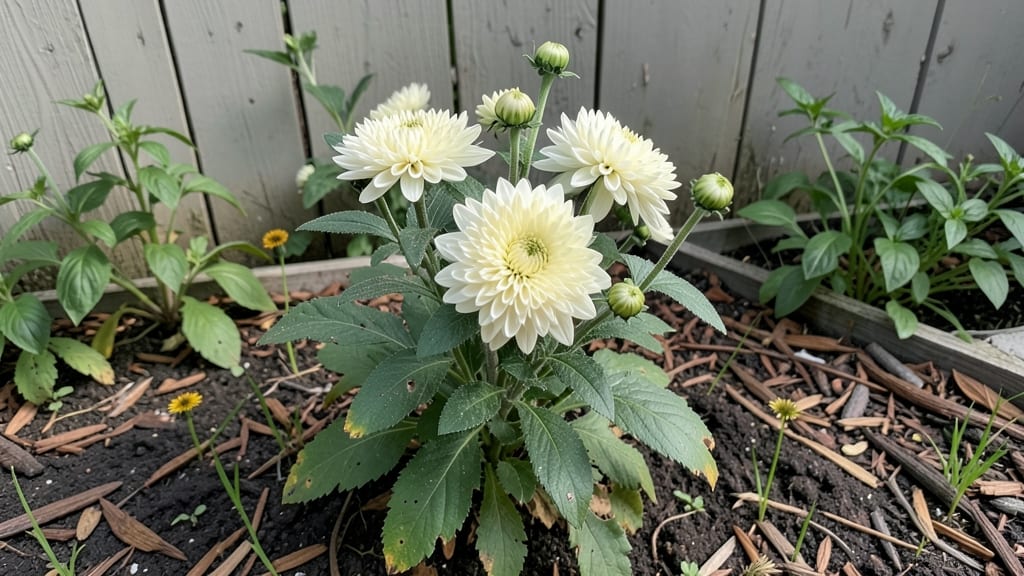
Garden mums (Chrysanthemum morifolium) are indeed toxic to dogs due to their pyrethrin compounds, which can trigger symptoms like excessive drooling, vomiting, and appetite loss. Always keep them secured and contact your vet immediately if your dog ingests any part of the plant.
These cheerful flowers contain natural pesticides called pyrethrins that disrupt a dog's nervous system, though reactions vary by size and sensitivity. 🌸 Smaller dogs or those with liver issues are especially vulnerable, as their bodies process toxins more slowly.
Symptoms typically appear within 6 to 48 hours after ingestion, starting with mild gastrointestinal upset before potentially escalating to coordination problems or seizures in severe cases.
If you're concerned about your pup's safety, consider swapping mums for dog-friendly alternatives like sunflowers or marigolds, which offer similar seasonal color without the risks.
Many nurseries now carry pet-safe seed mixes specifically designed for canine companions, making it easier than ever to create a vibrant garden that won't put your furry friend in danger.
💡 In This Article
- Toxic Compounds in Garden Mums and Their Effects on Dogs
- Safe Flower Alternatives for Dog-Friendly Gardens
Toxic compounds in garden mums and their effects on dogs
Garden mums contain pyrethrins, naturally occurring insecticides that disrupt a dog's nervous system by overstimulating sodium channels in nerve cells. These compounds bind to voltage-gated sodium channels, preventing them from closing properly, which leads to continuous nerve firing—similar to how neurotoxins in some snakes work.
The effect is dose-dependent, meaning larger ingestions cause more severe reactions, but even small amounts can trigger symptoms in sensitive dogs.
The timeline of symptoms typically begins within 6 to 12 hours after ingestion, starting with gastrointestinal distress like vomiting or diarrhea. Within 12 to 48 hours, neurological signs may emerge, including drooling, lethargy, or even tremors.
Severe cases can progress to incoordination or seizures if the dog's liver—responsible for detoxifying these compounds—is overwhelmed. Puppies, senior dogs, and breeds with liver conditions (like Cocker Spaniels or West Highland White Terriers) are particularly vulnerable due to slower toxin metabolism.
What makes pyrethrins especially dangerous is their persistence in the environment. Even dried or wilted mum leaves retain toxicity for weeks, and the compounds can remain active in soil or water where dogs might drink.
A 10-pound dog ingesting just 0.5 ounces of fresh mum leaves might show mild symptoms, while a 50-pound dog could experience life-threatening reactions from the same amount—highlighting why size matters in toxicity.
Here's how the body reacts: Pyrethrins cross the intestinal lining into the bloodstream, where they're distributed to fatty tissues and the brain. The liver attempts to break them down, but the process generates toxic byproducts that can damage cells.
In extreme cases, this leads to hypersalivation (the infamous "drooling") as the body's way of trying to flush out the poison, while the nervous system becomes overloaded, causing muscle tremors or weakness.
Breed-specific risks also play a role. For example, brachycephalic breeds (like Bulldogs or Pugs) may experience respiratory distress from excessive drooling, while herding breeds (like Border Collies) might show heightened neurological sensitivity.
The key factor is metabolism rate—dogs with faster metabolisms process toxins quicker, but their systems can become overwhelmed if the dose is high enough.
If you suspect your dog has ingested mums, monitor for symptoms like excessive pawing at the mouth (a sign of nausea) or sudden lethargy. Immediate vet intervention is critical, as activated charcoal can bind to pyrethrins in the stomach, preventing absorption.
Without treatment, symptoms can persist for 24 to 72 hours, during which the dog may refuse food or water, worsening dehydration.
Understanding these mechanisms helps demystify why mums are so dangerous—it's not just about "toxic plants," but a precise biochemical interaction that targets a dog's most vital systems.
Awareness of these details can save time in an emergency, as vets may ask about the amount ingested or the dog's breed to tailor treatment. 💫