
Pests
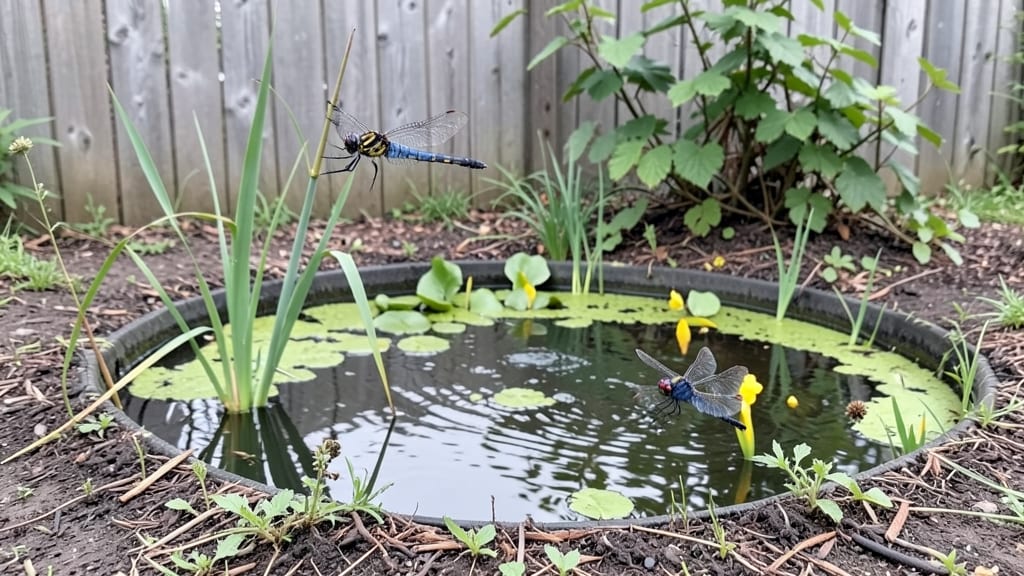
These winged hunters are the garden's unsung heroes, zipping through the air at 30 mph to snatch pests mid-flight. 🌿 Their larvae, living in ponds or standing water, feast on mosquito larvae before they even hatch, cutting off the cycle.
I’ve seen firsthand how a thriving dragonfly population can slash mosquito numbers by up to 90%—no chemicals needed. Plus, their presence signals a healthy ecosystem, as they’re a food source for birds, frogs, and fish.
Dragonflies prefer gardens with shallow water sources like small ponds or even birdbaths, along with native plants like iris or pickerelweed for breeding. Planting these creates a magnet for dragonflies, turning your yard into a pest-free haven while supporting local wildlife.
💡 In This Article
- Dragonfly Predatory Habits and Garden Pest Control
- Attracting Dragonflies to Your Garden Naturally
Dragonfly predatory habits and garden pest control
Dragonflies are aerial acrobats with exceptional hunting skills, capable of flying at speeds up to 30-37 mph while making 30 turns per second.
Their large, multifaceted eyes provide a 360-degree field of vision, allowing them to spot prey like mosquitoes, flies, and gnats from 30 feet away. This visual prowess, combined with their ability to hover, makes them relentless predators—studies show they can consume 50-100 mosquitoes per hour during peak activity.
Their hunting technique involves a two-stage strike: first, they close in with rapid wing beats, then extend their legs to snatch prey mid-air. Unlike spiders, which rely on webs, dragonflies use pure agility, making them effective against fast-moving pests like aphids and midges.
Their larvae, living in water, are equally efficient—one larva can eat 20-30 mosquito larvae per day, disrupting the breeding cycle before adults emerge. 🌊
What makes dragonflies ideal garden allies is their selective diet. They target only insects, avoiding plants entirely, which means they won’t damage your vegetables or flowers. Unlike chemical pesticides, which harm beneficial insects like bees, dragonflies focus on nuisance pests like blackflies, fungus gnats, and even small beetles.
This precision reduces the need for synthetic interventions while maintaining ecological balance.
Their impact extends beyond pest control. Dragonflies are a keystone species, meaning their presence supports other wildlife. Birds, frogs, and fish rely on them for food, while their larvae aerate pond water by feeding on organic matter.
A garden with thriving dragonflies often has 20-30% fewer flying insects overall, creating a more pleasant outdoor environment without sacrificing biodiversity.
Seasonally, dragonflies are most active from late spring to early fall, aligning with peak pest seasons. Their larvae overwinter in ponds, emerging as adults in warmer months.
This natural synchronization means they’re always on hand when mosquitoes and flies are most problematic, offering year-round indirect benefits even when adults aren’t visible.
To maximize their pest-control potential, focus on preserving shallow water sources (their breeding grounds) and avoiding pesticides that could harm their populations. Even a small water feature with native plants can transform your garden into a dragonfly haven, reducing pests while enhancing local ecosystems. 🌿